

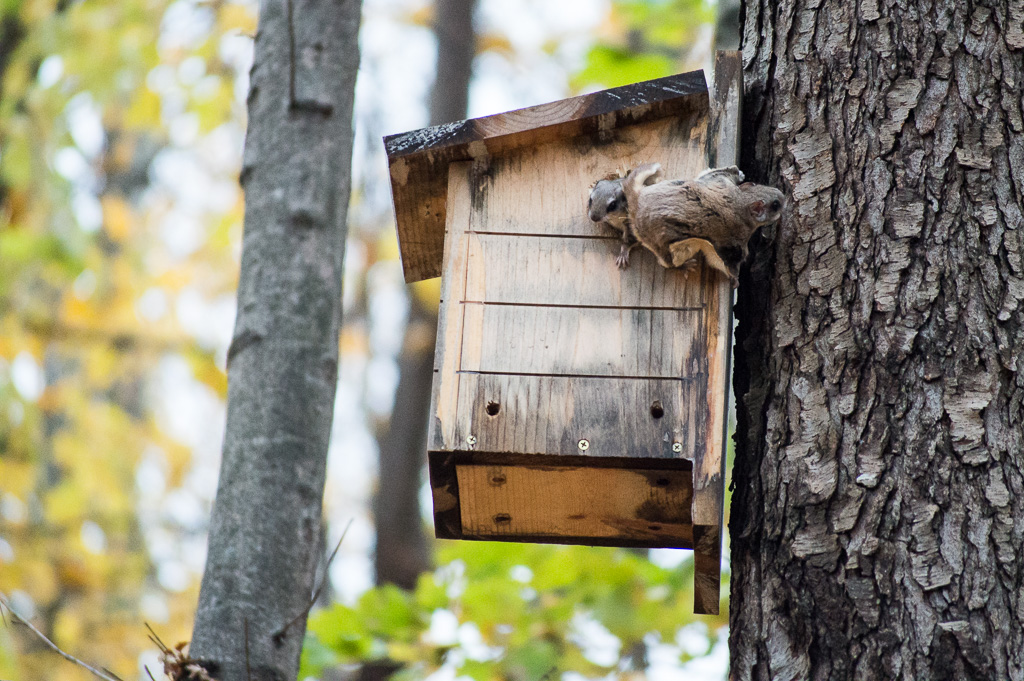
Squirrels are fascinating creatures, loved by many for their playful antics and bushy tails. While they often make nests in trees, attics, or even sheds, providing a squirrel nesting box offers them a safe and natural alternative. Whether you’re a wildlife enthusiast or just looking to keep squirrels out of unwanted spaces, nesting boxes can be a perfect solution.
In this comprehensive guide, we’ll explore what squirrel nesting boxes are, why they matter, and how to build, install, or buy one for your yard.
What Is a Squirrel Nesting Box?
A squirrel nesting box (sometimes called a squirrel house or den box) is a man-made wooden structure designed to mimic the natural cavities squirrels would use in trees.
Key Features:
- Entry Hole: Typically 3 inches in diameter for gray squirrels, 1.5–2 inches for flying squirrels.
- Interior Space: Large enough for nesting and raising young.
- Roof and Drainage: Slanted roof for rain protection and holes for ventilation.
- Wood Material: Untreated cedar or pine to ensure safety and durability.
Why Provide a Nesting Box for Squirrels?
Safe Shelter
Urbanization and deforestation reduce natural nesting sites. A nesting box provides safety from predators, bad weather, and human disturbance.
Protect Your Property
By giving squirrels a proper home outdoors, you reduce the risk of them nesting in your attic or garage.
Wildlife Support
For nature lovers, nesting boxes support local biodiversity, offering squirrels a place to live and thrive.
Observation & Education
Installing a box lets families and children observe squirrels’ natural behaviors up close.
Types of Squirrel Nesting Boxes
Gray Squirrel Nesting Boxes
- Entry hole: ~3 inches.
- Larger box dimensions (10″ x 12″ x 24″).
- Strong and durable to handle bigger squirrels.
Flying Squirrel Nesting Boxes
- Entry hole: ~1.5 inches.
- Smaller, lightweight boxes.
- Often installed higher up (15–30 feet) on trees.
Red Squirrel Nesting Boxes
- Entry hole: ~2 inches.
- Medium size box.
- Built for agile, territorial red squirrels.
Where to Install a Squirrel Nesting Box
Correct placement ensures squirrels actually use the box.
- Height: 12–30 feet above ground.
- Tree Type: Preferably hardwoods like oak or maple.
- Orientation: Entrance facing southeast for warmth and sunlight.
- Avoid Predators: Place away from easy access by cats or raccoons.
- Multiple Boxes: Install 2–3 in different trees to avoid overcrowding.
How to Build a Squirrel Nesting Box (DIY Guide)
Building your own box can be a fun project.
Materials Needed:
- Untreated wood (cedar or pine, ¾ inch thick).
- Galvanized nails or wood screws.
- Hinges for easy cleaning.
- Saw, drill, measuring tape.
Step-by-Step Instructions:
- Cut Wood Panels – Back (24″), front (20″), two sides (10″x24″), bottom (10″x10″), and roof (slanted, 12″x14″).
- Cut Entrance Hole – 3 inches wide for gray squirrels.
- Assemble Sides and Base – Nail or screw together.
- Add Roof – Slant slightly for water runoff.
- Drill Drainage Holes – Small holes in the bottom for moisture escape.
- Add Hinged Side/Top – For annual cleaning.
- Sand Rough Edges – Prevents injury to squirrels.
Cleaning and Maintenance
Squirrels often reuse nests, so regular cleaning keeps the box safe and sanitary.
- Timing: Clean once a year in late winter (before breeding season).
- Process: Remove old bedding, debris, and replace with fresh wood shavings.
- Inspection: Check for water damage or loose fittings.
Buying Guide: Best Squirrel Nesting Boxes
If you prefer not to build, many ready-made squirrel houses are available.
What to Look For:
- Sturdy cedar construction.
- Predator guard around entrance.
- Hinged side for cleaning.
- Proper ventilation and drainage.
Popular Options:
- Handmade cedar squirrel houses on Etsy.
- Wildlife supply stores like Tractor Supply Co.
- Amazon’s backyard wildlife section.
Benefits of Squirrel Nesting Boxes in Your Yard
- Keeps Attics Safe – Provides squirrels with an alternative shelter.
- Encourages Wildlife Watching – Great for families, photographers, and educators.
- Supports Conservation – Helps offset loss of natural habitats.
- Seasonal Use – Squirrels use boxes for winter shelter and spring nesting.
Common Problems & Solutions
- Problem: Squirrels ignore the box.
Solution: Ensure proper placement, use untreated wood, and avoid human scent. - Problem: Predators reach the nest.
Solution: Use predator guards and install higher up. - Problem: Water damage.
Solution: Slanted roof, proper drainage holes, and rot-resistant wood.
Fun Facts About Squirrels and Nesting
- Squirrels build natural nests called dreys out of leaves and twigs.
- They usually have multiple nests in case one is disturbed.
- Flying squirrels are nocturnal and often nest in groups.
- Red squirrels are highly territorial and may guard their nesting boxes aggressively.
Conclusion
Installing squirrel nesting boxes is one of the best ways to support local wildlife while protecting your own property. Whether you choose to build one yourself or buy a ready-made version, providing squirrels with a safe, natural nesting site ensures they thrive in harmony with your environment.
By following the tips in this guide—choosing the right size, placing the box correctly, and maintaining it annually—you’ll create a welcoming habitat for these energetic creatures.
FAQs
1. What is the best wood for squirrel nesting boxes?
Untreated cedar or pine is best because it’s safe, durable, and weather-resistant.
2. How high should I mount a squirrel nesting box?
12–30 feet high in a tree, with the entrance facing southeast.
3. Do squirrels really use nesting boxes?
Yes—especially when natural tree cavities are scarce or during harsh weather.
4. How often should I clean a squirrel house?
Once per year, preferably late winter before nesting season.
5. Can I use a birdhouse as a squirrel house?
No—birdhouses are too small. Squirrels need larger dimensions and wider entrances.
Also read: Toothpaste Without Artificial Sweeteners: A Complete Guide to Natural Oral Care
