

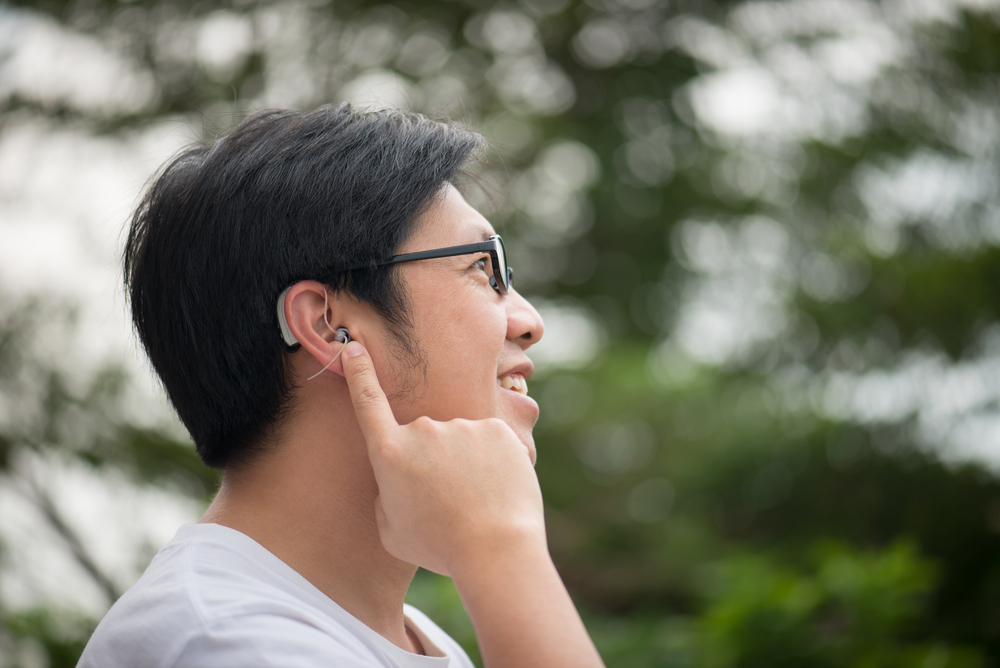
For millions of people, eyeglasses and hearing aids are daily essentials. But wearing both at the same time can be a challenge. Frames and hearing aid housings often compete for the same space behind the ear, leading to discomfort, feedback noises, or fit issues.
Thankfully, innovations in design, new product combinations, and a few smart strategies make it easier than ever to wear hearing aids with glasses comfortably.
The Challenge of Wearing Eyeglasses and Hearing Aids
Shared Space Behind the Ear
Both eyeglasses and most hearing aids (like BTE — behind-the-ear models) rest on or behind the ear. This overlap can cause:
- Pressure points leading to discomfort.
- Loose fit causing glasses to slide.
- Whistling feedback from hearing aids shifting position.
Daily Use and Adjustment
Frequent removal of glasses (e.g., when reading or cleaning) can also shift or dislodge hearing aids.
Types of Hearing Aids and Eyeglass Compatibility
Not all hearing aids pose the same challenges.
Behind-the-Ear (BTE)
- Most common type.
- May conflict with glasses if frames are thick.
- Works best with lightweight or thin glasses frames.
Receiver-in-Canal (RIC)
- Similar to BTE but smaller.
- Usually easier to pair with glasses.
In-the-Ear (ITE) & Completely-in-Canal (CIC)
- Custom-fit into the ear canal.
- No interference with eyeglasses.
- Popular choice for people who regularly wear both.
Bone-Anchored Hearing Systems (BAHS)
- Used for specific medical conditions.
- May interact differently depending on frame style.
Best Eyeglasses for Hearing Aid Users
When choosing glasses to wear with hearing aids, consider:
- Thin Temples: Slim frames reduce pressure on hearing aids.
- Lightweight Materials: Titanium or flexible plastic frames.
- Proper Fit: Glasses should sit snugly without pushing on devices.
- Adjustable Nose Pads: Help relieve pressure from the ears.
Pro Tip: Ask your optician about hearing aid–friendly frames, which are specifically designed with thinner temple arms.
Tips for Wearing Eyeglasses and Hearing Aids Comfortably
- Put on hearing aids first, glasses second.
This ensures the hearing aid sits properly before the glasses rest on top. - Practice removal carefully.
When taking off glasses, use both hands and lift straight forward to avoid dislodging hearing aids. - Adjust the fit with your audiologist or optician.
Both devices can be fine-tuned for comfort. - Consider ITE or CIC hearing aids if discomfort persists.
These models remove the conflict entirely. - Use accessories like retention clips or tubing.
These keep hearing aids in place while adjusting glasses.
Innovations: Smart Eyeglasses with Hearing Aids
Technology is bringing the two devices closer together.
- Smart Glasses with Audio Functions → Some modern eyewear integrates speakers or bone-conduction technology, reducing the need for separate hearing aids.
- Hearing Aids with Bluetooth → Work seamlessly with prescription glasses that include AR or VR functions.
- Custom Combo Devices → Some manufacturers are experimenting with eyeglass-hearing aid hybrids for all-in-one solutions.
Pros and Cons of Eyeglasses and Hearing Aids Together
Pros
- Corrects both vision and hearing simultaneously.
- Enhances quality of life when fitted properly.
- Multiple style and tech options available.
Cons
- May cause comfort issues if not fitted correctly.
- Higher cost if specialized frames or aids are required.
- Requires careful adjustment when removing/putting on glasses.
How to Choose the Right Combination
- Consult Professionals → Work with both an optician and audiologist.
- Trial Periods → Many hearing aids offer trial use; test them with your glasses.
- Consider Lifestyle Needs → For sports, lightweight frames with CIC hearing aids may work best.
- Budget Smartly → Expect higher upfront costs for premium solutions, but long-term comfort pays off.
Conclusion
Wearing eyeglasses and hearing aids together doesn’t have to be uncomfortable. By choosing the right frame styles, hearing aid models, and following proper wearing techniques, you can avoid common issues like pressure and feedback.
With advancing technology, smart eyewear and modern hearing aids are making life easier for people who rely on both. The key is working with professionals to ensure your glasses and hearing aids fit and function perfectly together.
FAQs
1. Can you wear hearing aids with glasses?
Yes, most people can wear both comfortably with the right adjustments and frame choice.
2. Which type of hearing aid is best with glasses?
In-the-ear (ITE) and completely-in-canal (CIC) models are most glasses-friendly.
3. Do thick glasses frames affect hearing aids?
Yes, thick temple arms may push on behind-the-ear hearing aids, causing discomfort.
4. How do you stop glasses from knocking out hearing aids?
Put hearing aids on first, then glasses. Remove glasses carefully with both hands.
5. Are there glasses that include hearing aids?
Yes, some innovative devices combine the two, but availability is limited and often more expensive.
Also read: What Order Do I Watch The Impossible Spaceman Series?
