

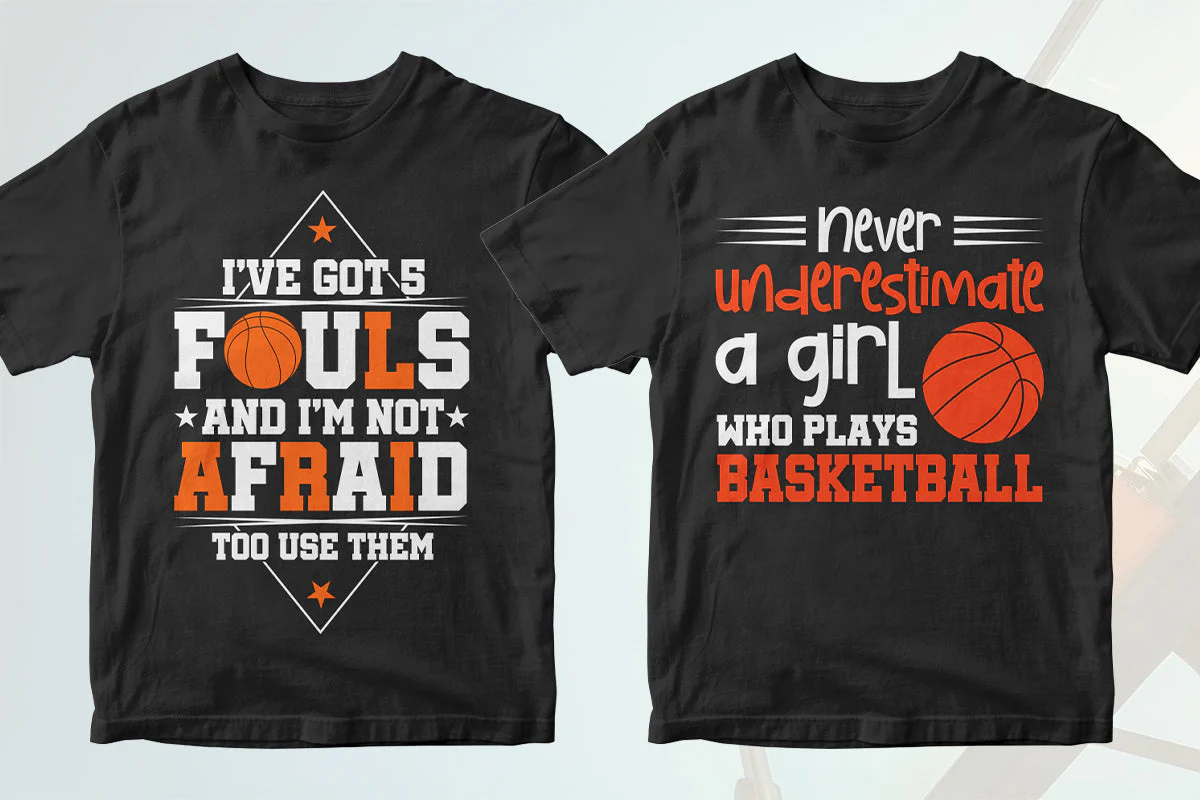
The right basketball shirts designs do more than just make players look good — they boost team spirit, reflect brand identity, and even improve performance. Whether you’re designing for a school team, professional league, streetwear brand, or casual fan wear, the right design elements can set your shirt apart.
This guide covers:
- Popular basketball shirt styles and trends
- Key design elements to consider
- Materials and printing techniques
- Customization ideas for teams and fans
Popular Basketball Shirts Designs
Classic Team Jerseys
- Sleeveless, lightweight material for mobility.
- Bold colors representing team branding.
- Large front number and team name.
Retro-Inspired Designs
- Throwback fonts and color schemes from past decades.
- Popular for both fans and casual wear.
Streetwear Crossover Shirts
- Oversized fit with bold graphic prints.
- Inspired by urban fashion trends.
Minimalist Modern Looks
- Simple color palettes with clean typography.
- Often used by corporate-sponsored teams for a sleek look.
Graphic Illustration Styles
- Custom artwork like mascots, motivational slogans, or abstract patterns.
Key Design Elements for Basketball Shirts
When creating basketball shirts designs, consider these essential components:
Color Scheme
- Choose 2–3 main colors for balance.
- High-contrast colors improve visibility on the court.
Typography
- Bold, block-style fonts for numbers.
- Legible and unique lettering for team names.
Logos and Branding
- Team logo placement (usually chest or shoulder).
- Sponsor logos for professional teams.
Player Customization
- Name and number on the back.
- Consistent font size and placement for all players.
Materials for Basketball Shirts
- Polyester Mesh – Breathable, moisture-wicking.
- Microfiber Blends – Smooth texture, lightweight feel.
- Recycled Fabrics – Eco-friendly and durable.
Printing Techniques for Basketball Shirts Designs
Screen Printing
- Bold, durable prints.
- Ideal for simple designs and solid colors.
Heat Transfer Vinyl (HTV)
- Great for small runs and personalization.
Sublimation Printing
- Allows for full-color, all-over designs.
- Perfect for complex graphics.
Customization Ideas
- Team Motto on the Hemline – Adds hidden motivation.
- Gradient Color Fades – Trendy and visually appealing.
- Player Icons – Small symbols representing each player’s personality.
- Limited Edition Fan Shirts – Create exclusive drops for supporters.
Trends in Basketball Shirts Designs for 2025
- Digital Patterns – Glitch effects and pixel art.
- Sustainable Fabrics – Growing demand for eco-conscious gear.
- Interactive QR Codes – Link fans to team content.
- Augmented Reality (AR) Features – Designs that come to life via phone apps.
How to Choose the Right Basketball Shirt Design
- Know Your Audience – Is it for competitive play, casual wear, or collectors?
- Prioritize Functionality – Comfort and movement come first.
- Focus on Branding – Ensure the design reflects your team’s personality.
- Test Your Design – Print samples to check visibility and durability.
Conclusion
Great basketball shirts designs balance performance, style, and identity. From retro classics to bold streetwear influences, today’s basketball shirts are as much a fashion statement as they are sportswear. By choosing the right colors, materials, and customization options, you can create a design that resonates with players and fans alike.
FAQs
1. What is the best material for basketball shirts?
Polyester mesh is the most common for its breathability and lightweight feel.
2. Can I use sublimation printing for any design?
Yes, sublimation works best for complex, full-color designs.
3. Are retro basketball shirt designs popular?
Absolutely — vintage-inspired jerseys are trending both on and off the court.
4. How do I make a team shirt unique?
Incorporate custom artwork, personalized player details, and unique color schemes.
5. Do sustainable fabrics affect performance?
Not if chosen carefully — modern eco-friendly fabrics can match or exceed traditional performance materials.
Also read: What Are Bed Sheets? Complete Guide to Types, Materials, and Care
