

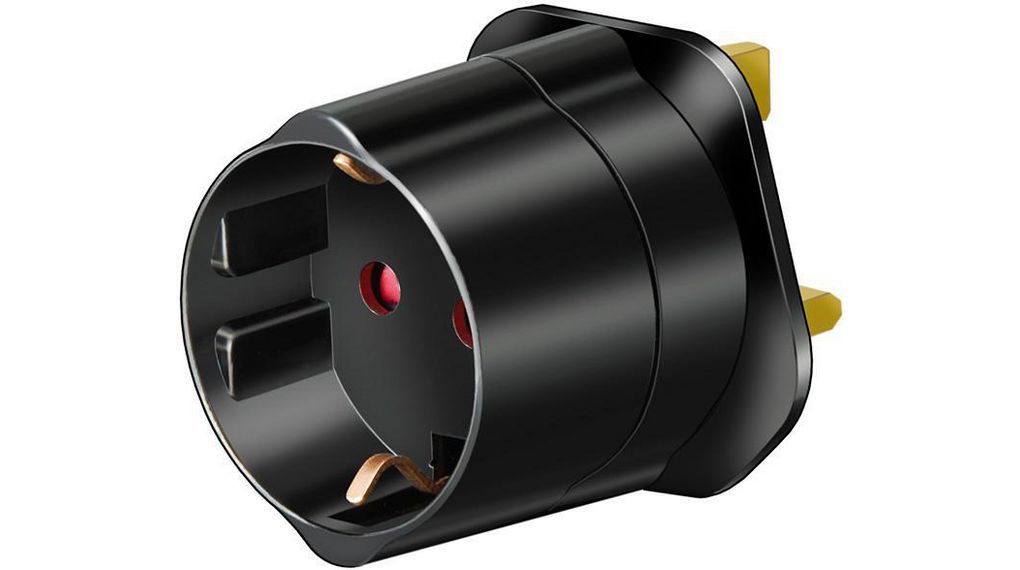
A type A to type F adapter is a small but essential travel accessory for anyone moving between countries with different electrical outlet types. If you’ve ever tried to plug your device into a wall socket abroad and found it wouldn’t fit, you know exactly why this tool is so useful.
In this guide, we’ll cover:
- What a type A to type F adapter is
- The difference between type A and type F plugs
- When and where you need one
- Safety tips for using an adapter
- How to choose the best model
Type A to Type F Adapter: What It Is and Why You Need One
A type A to type F adapter allows devices with a type A plug (commonly found in North America, Japan, and parts of Central America) to be connected to a type F socket (common in Europe, Russia, and parts of Asia).
Type A Plug Features:
- Two flat parallel pins
- No grounding pin
- Voltage: Typically 100–127V
- Frequency: 60Hz in most regions
Type F Socket Features:
- Two round holes for pins
- Grounding clips on the side
- Voltage: Typically 220–240V
- Frequency: 50Hz
Since the shapes, sizes, and voltages differ, plugging a type A plug directly into a type F socket isn’t possible without an adapter.
Type A to Type F Adapter: Key Uses and Applications
You might need this adapter if you:
- Travel from the USA, Canada, or Japan to Germany, Spain, or Russia.
- Use electronics like laptops, chargers, or small appliances from type A countries in type F regions.
- Have imported devices that were not designed with multi-plug compatibility.
Common devices requiring an adapter:
- Phone chargers
- Laptop chargers
- Camera battery chargers
- Hair dryers (with voltage compatibility check)
- Electric shavers
Important Note on Voltage Conversion
A type A to type F adapter does not convert voltage — it only changes the plug shape.
- If your device supports dual voltage (e.g., “100–240V” printed on the label), you can use it safely with just the adapter.
- If your device is single voltage (e.g., “120V only”), you will need a voltage converter in addition to the adapter to avoid damaging your equipment.
Advantages of Using a Type A to Type F Adapter
- Travel Convenience – Keep your devices powered abroad.
- Cost-Effective – Cheaper than buying new chargers or devices.
- Compact Size – Fits easily in luggage or a travel bag.
- Universal Compatibility – Some models are part of multi-country adapter sets.
How to Choose the Best Type A to Type F Adapter
When shopping for one, consider:
Build Quality
- Look for heat-resistant and durable materials.
- Reinforced internal wiring for safety.
Grounding Capability
- Some adapters include a grounding feature for added safety.
Size and Portability
- Slim travel designs take up less space.
- Avoid bulky models if you move frequently.
Multi-Function Features
- USB charging ports for added convenience.
- Built-in surge protection for sensitive electronics.
Certification
- Choose products with CE, RoHS, or similar safety certifications.
Best Practices for Safe Usage
- Check Voltage First – Avoid plugging a 120V-only device directly into a 240V socket without a converter.
- Avoid Overloading – Don’t plug high-power appliances into a small travel adapter.
- Unplug When Not in Use – Reduces wear and prevents overheating.
- Use Surge Protectors – Especially in areas with unstable electricity supply.
Countries That Use Type F Sockets
Type F outlets are common in:
- Germany
- Spain
- Netherlands
- Russia
- Austria
- Turkey
- South Korea
Step-by-Step: Using a Type A to Type F Adapter While Traveling
- Identify the Plug Type – Ensure your device uses type A.
- Check Device Voltage – Look for “INPUT” specs on the charger or device.
- Insert Device Plug into Adapter – Ensure it fits snugly.
- Plug Adapter into Type F Socket – Push firmly until secure.
- Test Device – Make sure it operates correctly.
Top Recommended Type A to Type F Adapters
- Ceptics Europe Adapter Plug – Compact and sturdy.
- BESTEK Universal Travel Adapter – Includes USB ports.
- Kensington International Adapter – Premium safety features.
Troubleshooting Common Problems
- Loose Fit – Try a different adapter model with better grip.
- Device Not Working – Check if it’s a voltage issue rather than the adapter.
- Overheating – Stop use immediately and inspect for damage.
Environmental Considerations
Reusable adapters like the type A to type F model help reduce e-waste by allowing continued use of existing electronics abroad instead of buying new devices.
Conclusion
A type A to type F adapter is a must-have for travelers, expatriates, and anyone using electronics across different electrical systems. While it won’t convert voltage, it bridges the plug shape gap, making your devices usable in many European and Asian countries. Always pair it with good travel habits — check voltage, buy a quality adapter, and prioritize safety.
FAQs
1. Does a type A to type F adapter convert voltage?
No, it only changes the plug shape. For voltage conversion, you’ll need a separate transformer.
2. Can I use a US laptop in Germany with this adapter?
Yes, if your laptop charger supports 100–240V input.
3. Are all type A to type F adapters grounded?
No, check product specifications for grounding features.
4. Will this adapter work in France?
Yes, France uses type E sockets, but many adapters for type F are compatible with type E as well.
5. Is it safe to use with high-wattage appliances like hair dryers?
Only if your device supports the local voltage and the adapter is rated for high wattage.
Also read: Bugs in Litter Box: Causes, Removal, and Prevention
