

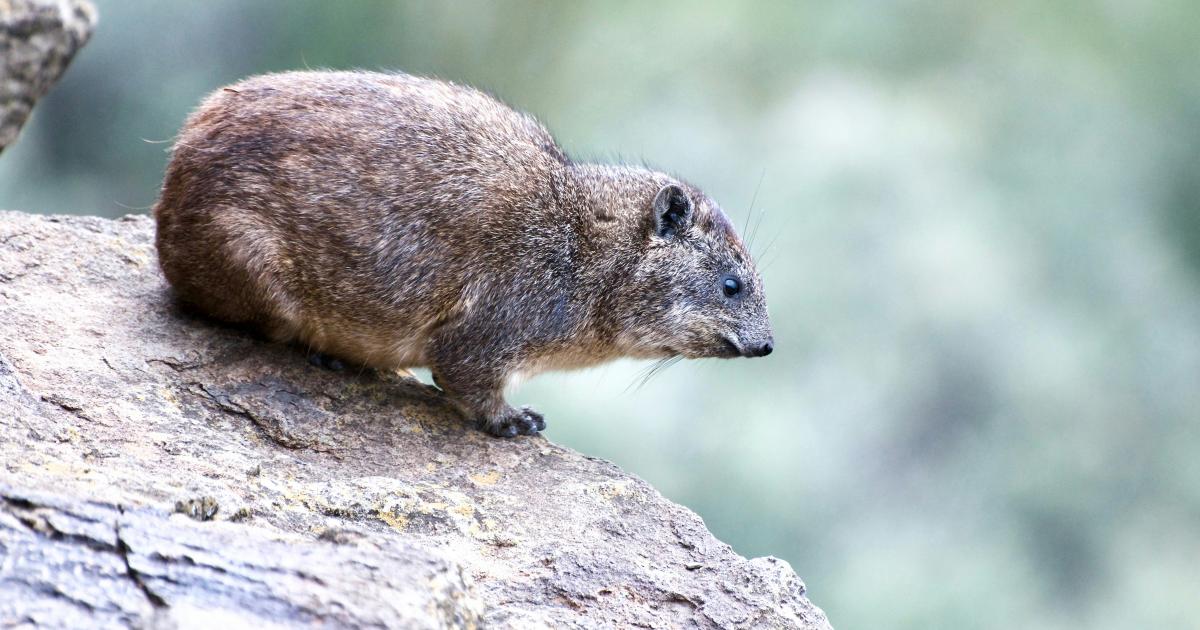
The Bible is full of animals, some familiar and others that seem mysterious. One such creature is the shephanim—a term that appears in ancient Hebrew texts and sparks curiosity among readers. Translating shephanim has puzzled scholars, theologians, and historians for centuries. Are they rabbits, hares, or something else entirely? In this article, we will explore what shephanim are, their biblical origin, cultural meaning, and fascinating facts that help us understand why they were important in Scripture.
What Are Shephanim?
The word shephanim (שְׁפַנִּים) comes from the Hebrew Bible and is commonly translated as “coney” or “hyrax.” These small, furry mammals are not rodents or rabbits but rather members of the hyrax family. They are native to the Middle East and parts of Africa. Unlike rabbits, shephanim have short ears and resemble guinea pigs more than hares.
Where Are Shephanim Mentioned in the Bible?
The term appears in several Old Testament verses.
The most notable references include:
- Psalm 104:18 – “The high mountains are for the wild goats; the cliffs are a refuge for the shephanim.”
- Proverbs 30:26 – “The shephanim are a feeble folk, yet they make their homes in the crags.”
These passages describe shephanim as small, defenseless animals that rely on rocky environments for safety.
The Linguistic Origin of Shephanim
The Hebrew word shephanim is derived from ancient Semitic roots. Some scholars suggest it may be connected to an Arabic word for rabbit, while others link it to terms describing burrowing animals.
Over time, translations have varied:
- King James Version (KJV): “coney”
- New International Version (NIV): “hyrax”
- Jewish translations: Often retain “shephanim” to preserve the cultural context.
Why the Confusion Over Translation?
When European translators first encountered the term shephanim, they assumed it referred to rabbits or hares—animals they knew well. However, rabbits were not native to the biblical lands. Later archaeological and zoological research suggested the rock hyrax was a better match, since these creatures actually lived in Israel and surrounding regions.
Characteristics of the Rock Hyrax (Shephanim)
The rock hyrax is the most widely accepted identification for shephanim.
Here are some traits:
- Size: About 12–20 inches long and weighing 4–12 pounds.
- Appearance: Rounded body, short tail, small ears, and thick fur.
- Habitat: Rocky cliffs, crevices, and mountainous terrain.
- Behavior: Social animals that live in colonies.
- Diet: Herbivores, feeding on leaves, grasses, and fruits.
These features align with biblical descriptions of shephanim as weak but resourceful animals that hide in crags for protection.
Symbolism of Shephanim in Scripture
In Proverbs, shephanim symbolize wisdom and prudence. Despite their small size and lack of strength, they survive by making wise choices—living in the rocks where predators cannot easily reach them. This illustrates a broader biblical theme: weakness paired with wisdom can still lead to survival and success.
Shephanim and Jewish Tradition
In Jewish dietary law (kashrut), shephanim are listed among the animals that chew the cud but do not have a split hoof (Leviticus 11:5, Deuteronomy 14:7). This classification makes them unclean for consumption. While the biological accuracy has been debated, the cultural and religious significance remains important.
Shephanim in Christian Interpretations
For Christians, shephanim are often used symbolically in sermons and devotionals. They serve as an example of humility, dependence, and God’s provision. Just as these small animals find safety in the rocks, believers are reminded to find refuge in God, described throughout the Bible as a rock and fortress.
Scientific Insights Into Shephanim
From a modern scientific perspective, shephanim are fascinating because:
- They are related more closely to elephants and manatees than to rabbits.
- Their teeth and digestive system mimic cud-chewing, which may explain the biblical classification.
- They communicate with each other using complex vocalizations.
These discoveries highlight why ancient observers might have misunderstood their biology.
Fascinating Facts About Shephanim
- Shephanim can regulate their body temperature by basking in the sun.
- They have specialized foot pads that help them grip rocky surfaces.
- Colonies can include dozens of individuals, with social hierarchies.
- Their warning calls alert the group of approaching predators.
- They are still common today in Israel, Jordan, and other Middle Eastern countries.
Conclusion
So, what are shephanim in the Bible? They are best understood as rock hyraxes, small mammals that live among cliffs and rocky areas of the Middle East. Mentioned in Psalms, Proverbs, and the laws of Leviticus, shephanim carry symbolic weight as creatures that demonstrate wisdom through reliance on strong foundations. Beyond their biblical importance, they remind us of the beauty and diversity of God’s creation and the lessons we can learn from even the smallest of creatures.
FAQs
1. Are shephanim rabbits?
No. Rabbits were not native to biblical Israel. The term more likely refers to rock hyraxes.
2. Why were shephanim considered unclean animals?
Because they were described as chewing the cud but not having a split hoof, which did not meet the requirements for clean animals under Jewish law.
3. Do shephanim still exist today?
Yes, rock hyraxes still live in Israel, Jordan, and parts of Africa.
4. What spiritual lesson do shephanim teach us?
They symbolize wisdom in weakness, showing that safety comes from making wise choices—such as dwelling in the rocks.
5. How many times does the Bible mention shephanim?
They are mentioned in Leviticus, Deuteronomy, Psalms, and Proverbs—appearing at least four times.
Also read: How Long Is a Hummingbird’s Tongue? Fascinating Facts Explained
