

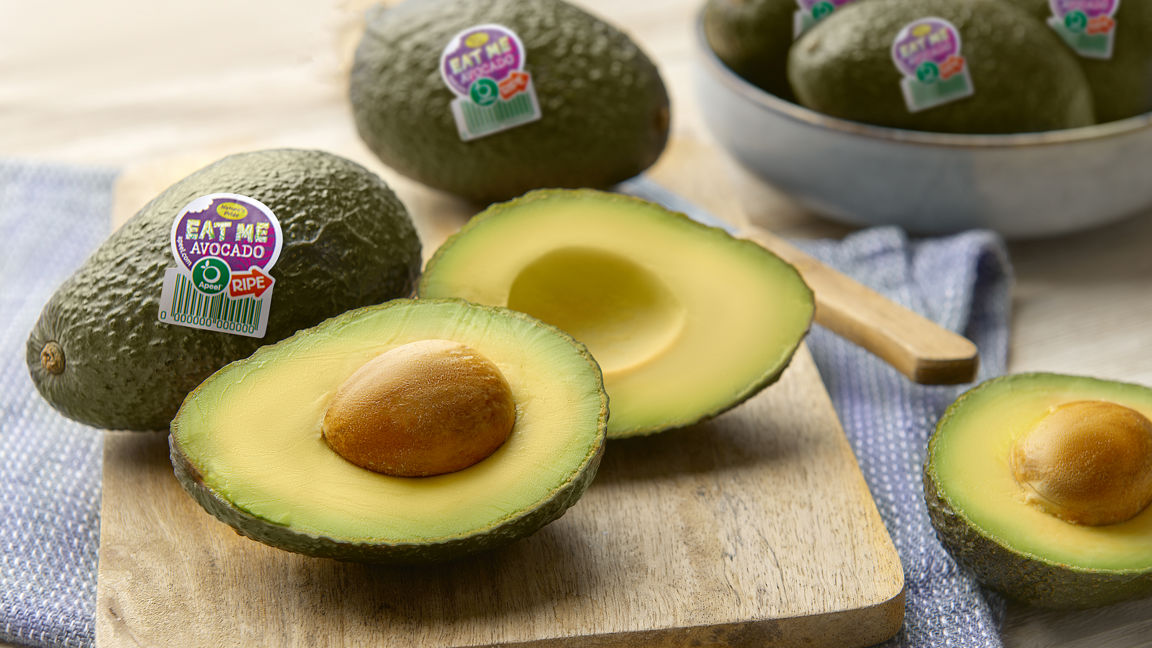
Fresh fruits and vegetables are essential to our health, but they often spoil quickly, leading to massive amounts of food waste. Every year, billions of pounds of fresh produce are lost before they ever reach a plate. To address this challenge, scientists and innovators are creating new ways to keep food fresher for longer. One of the most talked-about solutions is Apeel coating—a plant-based, edible barrier applied to produce that helps slow down spoilage naturally.
In this article, we’ll dive into what Apeel coating is, how it works, its benefits, safety considerations, and how it is transforming the way we shop for and consume fresh produce.
What is Apeel Coating?
Apeel coating is an edible, plant-based layer applied to the outside of fruits and vegetables to slow down water loss and oxidation, the two primary causes of spoilage. It is made from materials found in the skins, peels, and seeds of other fruits and vegetables, essentially using nature’s own defenses to protect food.
Unlike wax coatings traditionally used on apples and cucumbers, Apeel is designed to be flavorless, colorless, and odorless, so it does not change the taste or appearance of the food. Instead, it creates an invisible barrier that locks in moisture and keeps oxygen out, extending shelf life without refrigeration or chemicals.
The Science Behind Apeel
The concept of Apeel is rooted in biomimicry—imitating natural processes. In nature, peels and skins act as protective barriers for fruits and vegetables. Apeel harnesses this principle and strengthens it.
The coating is composed of lipids and glycerolipids, which are molecules found in everyday plants.
These molecules form a thin, edible layer that slows down two key processes:
- Moisture loss – preventing produce from shriveling or drying out.
- Oxidation – reducing exposure to oxygen that causes browning and spoilage.
This dual protection helps fruits and vegetables last two to three times longer compared to untreated produce.
How Apeel Coating is Applied
Apeel is applied post-harvest, usually at packing facilities. Fruits and vegetables are washed and then either sprayed, dipped, or brushed with the coating before being shipped to grocery stores.
Because the coating is invisible and edible, consumers don’t have to wash it off—it is safe to eat just like the natural peel of the fruit itself. This makes it easy for farmers, distributors, and retailers to adopt without requiring special preparation for customers.
Benefits of Apeel Coating for Consumers
For everyday shoppers, Apeel offers several advantages:
- Fresher produce for longer: Avocados, for example, can stay ripe for up to twice as long.
- Less food waste at home: Families throw away fewer spoiled fruits and vegetables.
- Better taste and quality: Produce retains natural flavor and texture longer.
- Convenience: Less frequent grocery trips, since food lasts longer in the fridge or on the counter.
These benefits make Apeel especially appealing for busy households looking to save money and reduce waste.
Benefits of Apeel for Farmers and Retailers
Apeel isn’t just beneficial for consumers—it also helps farmers, distributors, and retailers.
- Reduced food loss during transportation and storage.
- Extended selling time on store shelves, reducing waste for supermarkets.
- Access to new markets for farmers, since produce can travel farther without spoiling.
- Sustainability by lowering reliance on refrigeration and plastic packaging.
By keeping produce fresher longer, Apeel provides economic benefits across the entire food supply chain.
Safety of Apeel Coating
One of the biggest questions people have is whether Apeel is safe. The answer is yes.
- Apeel is made entirely from plant-derived materials already commonly found in the human diet.
- It has been reviewed and recognized as safe by the U.S. Food and Drug Administration (FDA) and regulatory authorities in other countries.
- Because it is edible, there is no need to peel or wash it off before eating produce.
In short, Apeel is considered as safe as the natural peels and skins that protect fruits and vegetables.
Common Foods That Use Apeel Coating
Apeel is currently applied to a variety of fruits and vegetables.
Some of the most common examples include:
- Avocados – Apeel helps maintain perfect ripeness longer.
- Citrus fruits – Lemons, limes, and oranges stay fresh for weeks.
- Cucumbers – Stay crisp without plastic shrink-wrap.
- Mangoes – Maintain flavor during shipping.
- Asparagus – Extends freshness for export.
The company behind Apeel continues to expand its reach to other produce categories.
Environmental Impact of Apeel
Apeel isn’t just about convenience—it also has a major environmental benefit. Food waste is a massive global issue, contributing to climate change and resource depletion.
By extending the shelf life of produce, Apeel helps:
- Reduce food waste at farms, stores, and homes.
- Lower greenhouse gas emissions from decomposing food in landfills.
- Cut down on single-use plastic packaging often used to preserve produce.
- Decrease energy use by reducing reliance on refrigeration.
This makes Apeel a powerful tool in creating a more sustainable food system.
Addressing Criticisms and Concerns
While Apeel has been praised for its innovation, some concerns have been raised:
- Consumer awareness: Because the coating is invisible, some customers worry they aren’t informed when produce has been treated. Labeling transparency is key.
- Natural vs. processed debate: Some shoppers prefer produce without any treatments, even if safe.
- Allergen questions: Apeel is plant-based and allergen-free, but skepticism persists among cautious consumers.
Overall, studies and regulatory approvals confirm that Apeel is safe, but building consumer trust remains important.
The Future of Apeel and Food Preservation
The success of Apeel demonstrates the potential of natural, science-driven solutions for global problems. In the future, Apeel could expand to cover more produce categories, making it easier for food to travel across borders without spoilage.
Combined with other sustainability efforts, Apeel may play a vital role in reducing food waste, feeding more people, and protecting the environment. It represents a shift in how we think about food preservation—not as artificial or chemical, but as a natural extension of what plants already do.
Conclusion
Apeel coating for food is more than just an innovation—it’s a solution to some of the biggest challenges in our food system. By slowing spoilage naturally, it keeps produce fresher for longer, reduces food waste, and benefits farmers, retailers, and consumers alike.
Safe, sustainable, and effective, Apeel represents a new chapter in food preservation. Whether it’s helping your avocado last until the weekend or keeping citrus fresh without plastic packaging, Apeel proves that small, plant-based innovations can have a big impact on the world.
FAQs
1. Is Apeel coating safe to eat?
Yes, Apeel is made from plant-based ingredients already found in everyday foods and has been approved by the FDA as safe.
2. Do I need to wash Apeel off before eating?
No, the coating is edible, flavorless, and odorless, so it does not need to be washed off.
3. Does Apeel change the taste of food?
No, Apeel is designed to be invisible and tasteless, so the flavor of the produce remains unchanged.
4. Which foods currently use Apeel?
Common examples include avocados, citrus fruits, cucumbers, mangoes, and asparagus.
5. How does Apeel help the environment?
It reduces food waste, lowers greenhouse gas emissions, cuts down on plastic packaging, and decreases energy use in the supply chain.
Also read: Cheesy Pint: The Perfect Combo of Cheese and Beer
