

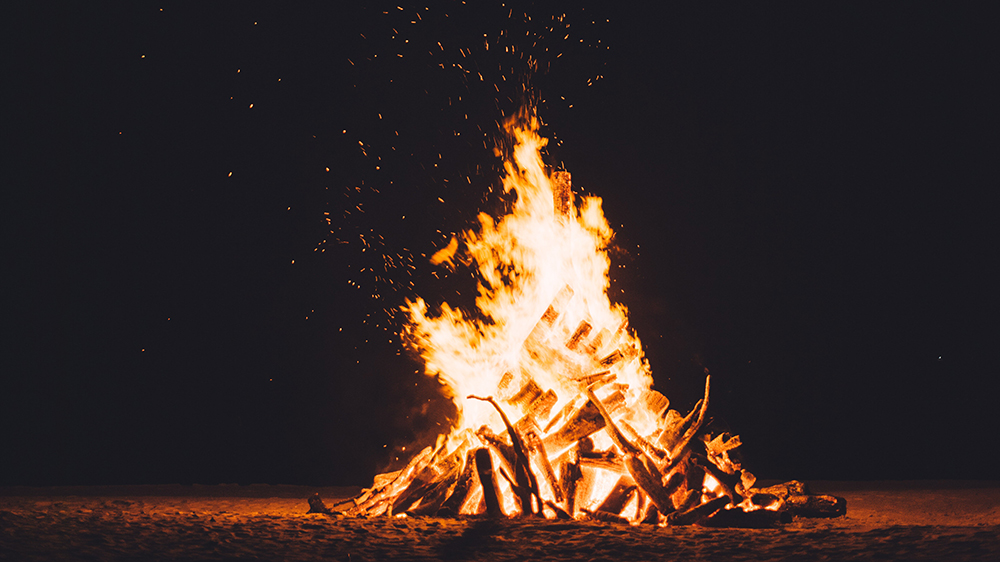
For thousands of years, fire has been more than just a source of warmth and survival. It has been the heart of human connection, a gathering place where stories come alive. Around flickering flames, people have shared myths, legends, and life lessons that shaped entire cultures. The simple act of sitting by a fire and telling stories is universal, timeless, and deeply human.
In this article, we’ll explore the magic of “Fire and Story”—why tales around the flames have always inspired people, how they shaped societies, and why the tradition still thrives in modern times.
The Ancient Connection Between Fire and Storytelling
Before books, screens, or even written language, fire was the center of human life. After a day of hunting, farming, or gathering, people would sit around the flames, sharing knowledge and experiences. Stories weren’t just entertainment; they were a means of survival.
- Myths explained natural phenomena like thunder, rain, or stars.
- Folktales carried moral lessons for younger generations.
- Heroic sagas inspired bravery and unity within tribes.
The fire wasn’t just warmth—it was a stage, a spotlight for humanity’s earliest storytellers.
Fire as a Symbol in Stories
Fire is more than a physical element—it carries deep symbolic meaning in myths, religions, and literature.
- Fire as life: It represents warmth, safety, and sustenance.
- Fire as transformation: Flames symbolize change, renewal, and rebirth.
- Fire as danger: It also reminds us of destruction and chaos.
From the Greek myth of Prometheus stealing fire from the gods to the sacred flames of temples in India, fire has always been linked to human storytelling as a force of both creation and caution.
Campfire Stories: Bonding Through Shared Tales
Campfires remain one of the strongest modern expressions of this tradition. Sitting under the stars, with only firelight illuminating faces, stories feel more alive.
- Scary tales become more thrilling in the dark woods.
- Adventure stories gain energy when told with passion.
- Personal experiences feel more intimate in the fire’s glow.
This environment creates a powerful bond. The laughter, suspense, or fear felt by listeners unites them in the shared moment.
Storytelling as Cultural Memory
Fire-lit storytelling helped preserve history before writing existed. Legends passed orally carried knowledge about ancestors, hunting grounds, and rituals.
- Indigenous tribes around the world used fireside tales to honor their heritage.
- Epic poems like The Iliad and The Odyssey were originally shared orally.
- African griots kept history alive through rhythm and song by the fire.
Without fire-lit storytelling, much of the wisdom and culture we know today would have been lost.
Lessons and Morals Passed Through Firelight
Stories around the fire weren’t just for amusement—they were teaching tools. Parents and elders used narratives to pass on values, such as honesty, courage, kindness, or respect for nature.
For example:
- A cautionary tale about greed taught moderation.
- Stories of tricksters highlighted the dangers of arrogance.
- Myths about bravery encouraged unity and strength.
By embedding wisdom into tales, communities ensured survival and harmony.
The Emotional Power of Firelit Storytelling
Psychologically, firelight changes the way people experience stories. Studies suggest the soft, flickering glow relaxes the mind, making people more receptive to listening and bonding.
The crackling sound of wood, the warmth of flames, and the shifting light create an atmosphere that heightens emotions. Fear feels scarier. Humor feels funnier. Inspiration feels stronger. This is why even today, campfire stories leave lasting memories.
Modern Storytelling Around Fire
While we no longer rely on fire as our only source of light, the tradition continues in different forms:
- Campfires: Families and friends share tales on trips or camping adventures.
- Bonfires: Communities gather to celebrate with stories, music, and dancing.
- Fire pits: Even in modern backyards, fire pits bring people together for storytelling.
Even with digital distractions, people still crave authentic human connection—and the fire remains one of the best settings for that.
Fire and Story in Literature and Media
Many famous works of literature and media reference storytelling by fire. From children’s ghost stories to epic fantasy novels, the imagery of fire as a backdrop for tales is powerful.
- Fantasy novels often describe warriors sharing stories around campfires during journeys.
- Children’s books use the campfire as a setting for bonding and growth.
- Movies frequently use fire scenes to symbolize honesty, intimacy, or revelation.
The fire is not just a backdrop—it’s an active character in these moments, shaping the mood and meaning of the tale.
Why Fire Makes Stories More Memorable
Stories told around fire stick with us. Why?
- Atmosphere – The fire creates focus and intimacy.
- Sensory experience – Flames engage sight, sound, touch, and even smell.
- Community connection – Listeners feel united by the moment.
- Tradition – The act itself feels timeless, linking us to ancestors.
Because of these factors, stories told by fire often linger in memory far longer than those told in ordinary settings.
The Timelessness of Fire and Story
From prehistoric caves to modern backyards, the combination of fire and story remains timeless. Technology may evolve, but the human need to gather, share, and inspire each other around warmth and light has not changed.
This timeless ritual continues to remind us of our shared humanity—our need for connection, creativity, and meaning.
Conclusion
“Fire and Story – Inspiring Tales Around the Flames” captures one of the oldest and most cherished traditions in human history. Fire has always been more than survival—it has been a source of inspiration, a place where lessons are taught, and where communities strengthen their bonds.
Even today, when we sit around a campfire, we feel the same wonder as our ancestors. The flickering flames invite us to listen, imagine, and dream. Storytelling around the fire is not just entertainment; it is a bridge between the past and the present, between individuals and communities, between imagination and reality.
FAQs
1. Why are stories often told around fire?
Because fire creates warmth, focus, and intimacy, making it the perfect environment for storytelling and bonding.
2. What kinds of stories are best for campfires?
Scary stories, adventure tales, legends, and personal experiences are most effective, as the fire enhances emotion.
3. Did ancient people really use fire for storytelling?
Yes, fire was the gathering place for early humans, where oral traditions, myths, and lessons were shared.
4. Why do stories feel more powerful around fire?
The sensory experience of flames—light, sound, warmth—heightens emotions, making stories more vivid and memorable.
5. Is storytelling around fire still popular today?
Yes, people continue the tradition through campfires, bonfires, and fire pits, finding joy in the same timeless practice.
