

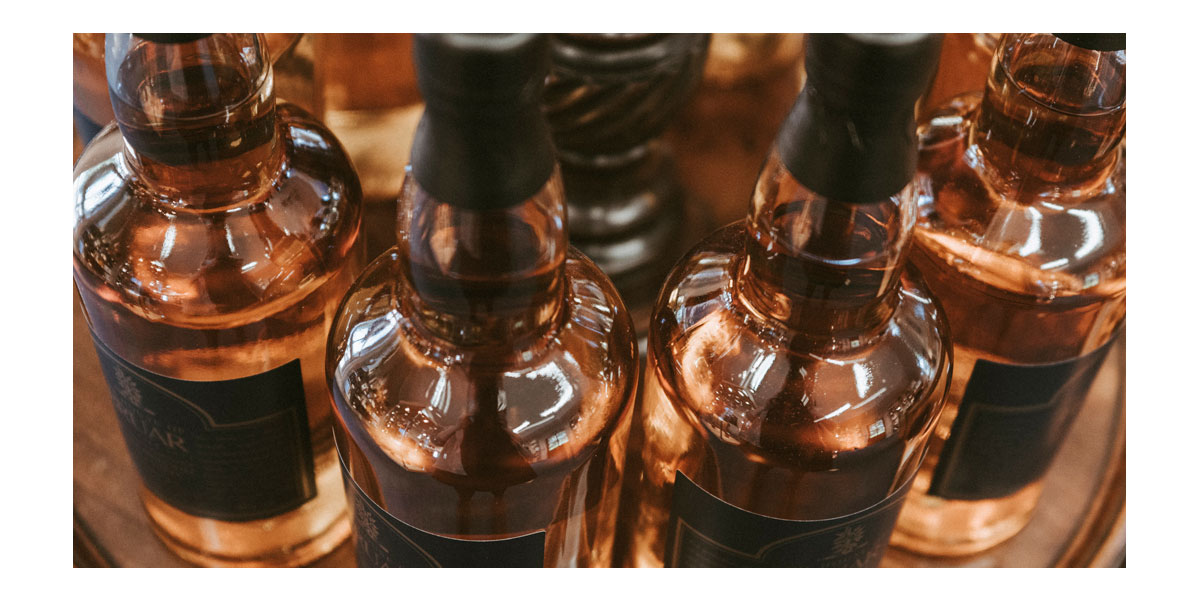
For anyone new to drinking, one of the first questions that comes to mind is: what does alcohol taste like? The answer isn’t simple because alcohol itself doesn’t have one universal flavor. Instead, it carries a strong, sometimes burning sensation mixed with distinctive tastes depending on the type—whether beer, wine, or spirits.
This beginner’s guide explores the many ways alcohol can taste, why it differs across drinks, and what factors influence its flavor. By the end, you’ll have a clearer understanding of what to expect when tasting alcohol for the first time.
What Does Alcohol Taste Like in Its Purest Form?
Pure ethanol—the base of all alcoholic beverages—tastes bitter, sharp, and almost medicinal. It’s not something most people drink directly because it can be overwhelming. That’s why alcoholic drinks are diluted, aged, or flavored to create enjoyable beverages.
Why Alcohol Burns: The Sensation Factor
When people ask what does alcohol taste like, part of the answer lies in how it feels. Alcohol has a burning or warming sensation in the throat and stomach due to its high proof content. This physical reaction often defines the first experience more than the flavor itself.
Beer: Light, Bitter, and Refreshing
Beer is one of the most common introductions to alcohol.
Here’s how it usually tastes:
- Light Lagers – Crisp, mild, sometimes slightly sweet with a grain-like flavor.
- IPAs (India Pale Ales) – Strongly hoppy, bitter, and citrusy.
- Stouts and Porters – Rich, malty, with notes of chocolate or coffee.
For beginners, beers tend to taste slightly bitter but refreshing, with a carbonation that makes them easier to drink.
Wine: Sweet, Dry, and Fruity Notes
Wine flavors depend heavily on grape variety, fermentation, and aging.
- Red Wine – Often dry, tannic, with earthy, fruity, or spicy notes.
- White Wine – Typically lighter, ranging from crisp and citrusy to buttery and smooth.
- Rosé – A balance of fruitiness and freshness.
For many, when they wonder what does alcohol taste like, wine provides the most approachable and versatile answer because it comes in so many flavor profiles.
Spirits: Strong, Bold, and Distinctive
Spirits (hard liquors) are higher in alcohol content, so their flavors are more intense.
- Vodka – Neutral, clean, with a slight bite.
- Whiskey – Smoky, oaky, with caramel or vanilla notes.
- Rum – Sweet, molasses-like, sometimes spiced.
- Tequila – Earthy, peppery, sometimes citrusy.
- Gin – Herbal, floral, and botanical with juniper dominance.
Spirits often taste strong and warming, leaving a lasting aftertaste.
Cocktails: Blended Flavors That Mask Alcohol
For beginners unsure about what does alcohol taste like, cocktails provide a gentler introduction. Mixed with juices, syrups, or sodas, cocktails often taste sweet, sour, or fruity, with the alcohol blending into the background.
Popular beginner-friendly cocktails include:
- Mojito
- Margarita
- Cosmopolitan
- Whiskey Sour
Cultural Differences in Alcohol Taste Preferences
Taste perception is influenced by culture:
- In Japan, sake offers a delicate, slightly sweet profile.
- In Mexico, tequila and mezcal bring smoky, earthy flavors.
- In Europe, wine dominates, each region offering unique taste traditions.
When asking what does alcohol taste like, the answer varies not only by drink but also by cultural expectations.
How Age and Ingredients Affect Alcohol Flavor
The taste of alcohol depends on more than just its type.
Factors include:
- Aging – Whiskey aged in oak barrels tastes smoother and more complex.
- Fermentation – Yeast creates unique flavor notes.
- Additives – Fruits, spices, and herbs add layers of flavor (e.g., gin botanicals).
The longer and more carefully alcohol is processed, the more refined and enjoyable its taste becomes.
Why Some People Dislike the Taste of Alcohol
It’s common for beginners to say alcohol tastes bitter, harsh, or unpleasant.
That’s normal because:
- Alcohol activates bitter taste receptors on the tongue.
- The burn can be overwhelming at first.
- Flavor appreciation often develops over time.
Just like coffee or strong cheese, alcohol is an acquired taste.
Tips for First-Time Tasters
If you’re trying alcohol for the first time and wondering what does alcohol taste like, here are some tips:
- Start with lighter drinks like cider or wine spritzers.
- Sip slowly to adjust to the flavor.
- Pair drinks with food to soften the taste.
- Try cocktails to mask strong alcohol notes.
- Explore different types until you find what appeals to your palate.
Conclusion
So, what does alcohol taste like? The answer depends on the drink in your hand. Pure alcohol is sharp and bitter, but once crafted into beer, wine, spirits, or cocktails, it takes on flavors ranging from sweet and fruity to smoky and complex.
For beginners, it may feel harsh at first, but with time and exploration, many discover the wide world of flavors alcohol has to offer. Whether you prefer a crisp lager, a bold red wine, or a refreshing mojito, alcohol’s taste is as diverse as the cultures that create it.
FAQs
Q1: What does alcohol taste like to someone trying it for the first time?
It often tastes bitter, burning, and slightly harsh until your palate adjusts.
Q2: Which type of alcohol is easiest for beginners to try?
Light beers, sweet wines, or fruity cocktails are usually the easiest starting points.
Q3: Why does alcohol burn when you drink it?
The burning sensation comes from ethanol irritating nerve endings in the throat and stomach.
Q4: Can alcohol ever taste sweet?
Yes, especially in liqueurs, dessert wines, or cocktails where sugar balances the alcohol bite.
Q5: Do all alcoholic drinks taste the same?
No. Beer, wine, spirits, and cocktails each offer distinct flavor profiles influenced by ingredients and preparation.
Also read: What is Apeel Coating for Food? Benefits, Safety & Uses
