

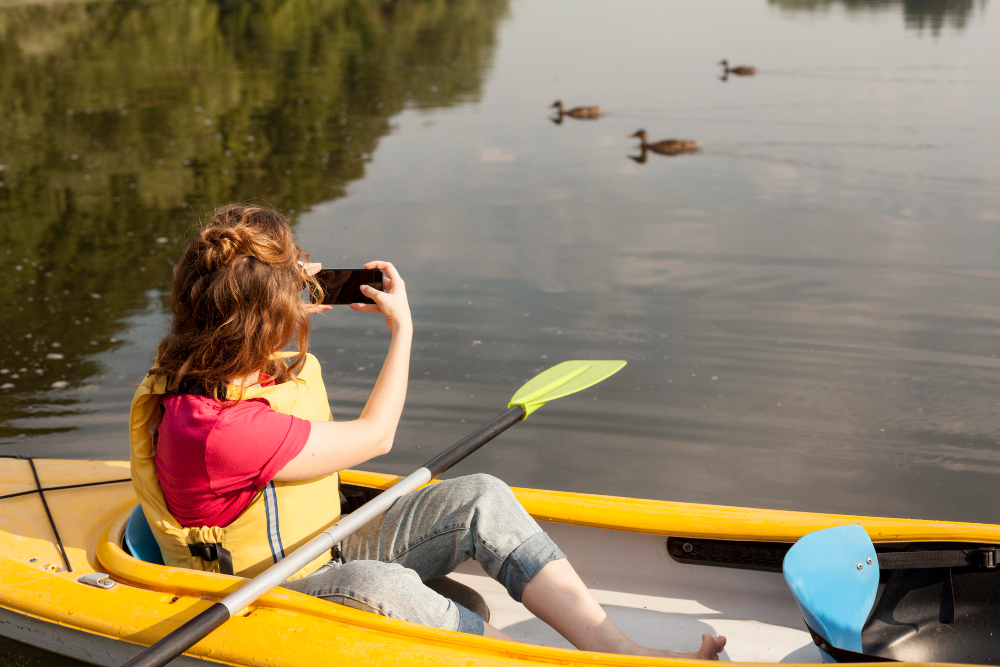
When people think of salt flats, images of shimmering white deserts stretching for miles often come to mind—not paddling through shallow water in a kayak. But in certain regions of the world, salt flats kayaking has emerged as a truly one-of-a-kind adventure, blending surreal scenery, solitude, and serenity in ways few other outdoor activities can.
If you’re an adventure seeker or a lover of the unusual, this activity deserves a top spot on your bucket list. Before you plan your trip, let’s explore 10 things you probably didn’t know about this captivating experience.
1. Salt Flats Can Transform into Shallow Lakes After Rain
While salt flats like Bolivia’s Salar de Uyuni or Utah’s Bonneville Salt Flats appear bone-dry most of the year, seasonal rains can flood them, transforming the land into vast, reflective pools. This phenomenon allows for a brief window of time where kayaking becomes possible.
The effect creates mirror-like surfaces so dazzling that it looks as if you’re floating through the sky. The water is often only a few inches deep, but enough to support kayaking in certain areas.
2. You Don’t Need Deep Water to Kayak
Unlike traditional kayaking, where deeper rivers or lakes are required, salt flats kayaking is about skimming across thin layers of water. Specialized lightweight kayaks or even inflatable models can easily glide across the surface.
The shallow water contributes to the illusion—you’re paddling on a giant mirror reflecting the sky, mountains, and even your own silhouette. It’s less about paddling fast and more about floating and soaking in the surreal surroundings.
3. The Reflection Effect Is Not Always Available
One of the main draws of salt flats kayaking is the mirror reflection created during the wet season. However, not every visit guarantees this visual spectacle. It depends heavily on recent weather conditions, wind, and water levels.
The best time to catch this mirror effect is typically:
Bolivia (Salar de Uyuni): December to April
Utah (Bonneville Salt Flats): Spring and after significant rain
Make sure to check local weather reports or tour operators before making plans.
4. It’s an Eco-Friendly Activity (If Done Responsibly)
Salt flats are fragile ecosystems. Kayaking, when done correctly, has minimal environmental impact compared to vehicles or large crowds.
To keep your activity eco-friendly:
Avoid using motorized kayaks.
Don’t leave waste or damage salt crusts.
Use non-toxic sunscreen to protect water quality.
Some areas are protected or restricted, so always research local regulations before launching your kayak.
5. You May Paddle Over Ancient Lakebeds
Many salt flats were once prehistoric lakes, dating back thousands of years. When these massive bodies of water evaporated, they left behind mineral-rich surfaces.
For example:
Salar de Uyuni was once part of Lake Minchin, a massive body of water that dried up over 30,000 years ago.
Bonneville Salt Flats are remnants of ancient Lake Bonneville, which covered much of Utah during the Ice Age.
Kayaking here feels like paddling through Earth’s history, quite literally.
6. Wildlife Is Surprisingly Present
Though salt flats appear lifeless, they host a surprising range of wildlife—particularly after rain. Temporary shallow lakes attract:
Flamingos, especially in Bolivia
Brine shrimp and other microorganisms
Migratory birds looking for rest and food
Kayaking quietly across the water lets you witness nature up close, as many animals are undisturbed by non-motorized watercraft.
7. It’s a Photographer’s Dream
Whether you’re a professional or just an Instagram enthusiast, kayaking in the salt flats offers unreal photo opportunities. The surreal reflections and glowing sunsets make for jaw-dropping compositions.
Photographic highlights include:
Paddling during sunrise or sunset
Capturing your kayak reflected in the still water
Wearing vibrant clothing to contrast the minimalist background
Use waterproof gear to protect your camera, and bring a drone if permitted—it adds a new level of perspective.
8. Preparation Is Key to a Successful Trip
Because salt flats are remote and conditions can change rapidly, planning ahead is critical. Here are essentials you’ll need:
A lightweight kayak or inflatable model
Dry bags for personal items
Waterproof boots (walking in saline mud can be tough)
Plenty of drinking water
Sunglasses and high-SPF sunscreen
You should also let someone know where you’re going, especially if you’re venturing without a guide. Some areas can stretch for miles with no cell signal or shade.
9. You’ll Be Kayaking Above Crystalline Salt Formations
One of the most mesmerizing details is the salt crystal structures just beneath the water’s surface. In some spots, the water is so clear you can see intricate polygonal salt patterns or hexagonal shapes formed naturally.
These structures add visual texture to the reflection and are completely unique to salt flats. It’s like kayaking above a mosaic made by nature.
Caution: These formations can be sharp. Avoid stepping barefoot or dragging equipment across them.
10. Guided Tours Are Available in Select Locations
While salt flats kayaking is still a niche activity, tour operators are beginning to offer it in places
like:
Salar de Uyuni, Bolivia
Bonneville Salt Flats, Utah (limited)
Salinas Grandes, Argentina
Booking a tour provides access to safe zones, ensures equipment is included, and often combines kayaking with stargazing or salt hotel stays. It’s a convenient and safe option, especially for first-timers.
Conclusion: An Experience Like No Other
Salt flats kayaking combines the beauty of minimalism, the thrill of exploration, and the peace of isolation. It’s not your typical outdoor sport—it’s a reflective, almost meditative journey across landscapes that feel more Martian than terrestrial.
From gliding over ancient lakebeds to capturing once-in-a-lifetime photos, every moment is unforgettable. Whether you’re seeking adventure, tranquility, or something completely out of the ordinary, salt flats kayaking offers an experience few have imagined, let alone lived.
So next time you plan a trip to Bolivia, Utah, or Argentina, don’t just walk the flats—paddle them.
Frequently Asked Questions (FAQs)
1. Is salt flats kayaking safe for beginners?
Yes, kayaking on salt flats is generally safe due to the shallow water and lack of waves or currents. However, you should still wear a life vest, check local conditions, and stay near known access points or guides.
2. Can I rent a kayak near salt flats?
In some locations, especially around Salar de Uyuni and Salinas Grandes, local tour operators may offer kayak rentals or guided tours. In more remote or undeveloped areas like Bonneville, you’ll likely need to bring your own gear.
3. What’s the best season for salt flats kayaking?
The ideal time is during the wet season, when rainfall creates the mirror-like layer of water. In Bolivia, this usually runs from December to April. Always check recent weather conditions.
4. Do I need permits to kayak on salt flats?
In some protected areas, you may need permission or may be restricted to designated zones. It’s important to check with local authorities or tourism offices before kayaking.
5. Can I use a paddleboard instead of a kayak?
Absolutely! SUP (stand-up paddleboarding) is another great way to experience salt flats. Just make sure the water is deep enough to prevent fin drag, and use wide boards for added stability on uneven surfaces.
