

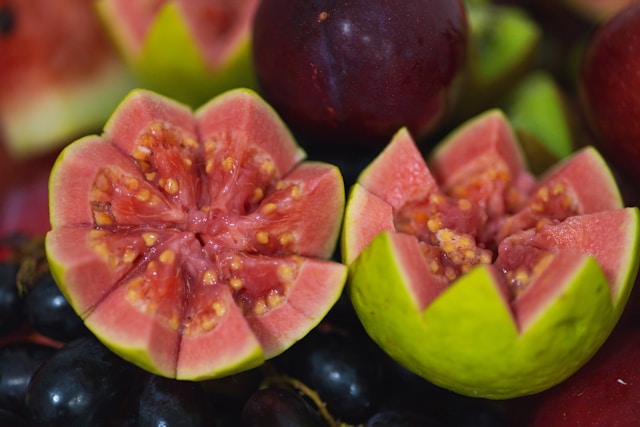
South America, a land of dense rainforests, towering Andes mountains, Fruit from S America and fertile valleys, is a haven for fruit lovers. Bursting with vibrant colors, bold flavors, and potent health benefits, fruit from South America is among the most diverse and exotic in the world. From jungle superfoods to tropical treats, these fruits aren’t just delicious—they’re packed with history, tradition, and nutrition.
Whether you’re a foodie, a traveler, or someone curious about global gastronomy, here are 10 exotic delights from South America you absolutely must try.
1. Açaí – The Amazon Superberry
Fruit from S America Native to the Amazon rainforest, açaí (pronounced ah-sigh-EE) has taken the world by storm, thanks to its reputation as a superfood. These small, dark-purple berries grow on açaí palm trees and are rich in antioxidants, fiber, and heart-healthy fats.
In Brazil, locals enjoy açaí as a frozen pulp served in bowls with granola, banana, and honey. It has a slightly earthy, berry-chocolate flavor—perfect for smoothies or energy-boosting snacks.
Fun Fact:
Açaí spoils quickly after harvesting, which is why it’s often exported in frozen or powdered form.
2. Lucuma – The Gold of the Incas
Nicknamed “Gold of the Incas,” lucuma is a beloved fruit in Peru, often used in desserts and ice creams. It has a dry, starchy texture and a unique flavor described as a mix of maple syrup, sweet potato, and caramel.
Lucuma is rich in beta-carotene, iron, and vitamin B3. It’s particularly popular in powdered form for adding flavor and nutrients to smoothies, baked goods, or yogurt.
Culinary Tip:
Try lucuma ice cream next time you’re in Lima—it’s even more popular than vanilla in Peru!
3. Pitahaya (Dragon Fruit) – The Cactus Beauty
Though commonly associated with Asia, pitahaya (or dragon fruit) also grows abundantly in Colombia, Ecuador, and Peru. Its bright pink or yellow skin and speckled white or red flesh make it a visual showstopper.
It’s low in calories but high in vitamin C, fiber, and magnesium. The mildly sweet taste and refreshing texture make it ideal for fresh fruit salads or chilled drinks.
Health Highlight:
Its high water content and antioxidants help support skin hydration and digestion.
4. Maracujá (Passion Fruit) – Tangy and Aromatic
The South American variety of passion fruit, called maracujá in Brazil, is a powerhouse of flavor and aroma. Its wrinkled exterior hides golden pulp filled with black seeds and a tangy-sweet taste.
Often used in juices, mousses, cocktails, and desserts, maracujá is loaded with vitamin C, fiber, and calming plant compounds.
Local Secret:
In Brazil, passion fruit juice is believed to have a mild sedative effect and is often consumed to reduce stress or help with sleep.
5. Camu Camu – The Vitamin C Bomb
If you’re looking for a fruit with off-the-charts vitamin C levels, look no further than camu camu. Native to the Amazon basin, this tiny, tart fruit has 30–60 times more vitamin C than an orange.
Because of its extreme sourness, it’s rarely eaten raw but is commonly found in juices, powders, and capsules. Camu camu supports immune health, fights inflammation, and provides powerful antioxidants.
Pro Tip:
Add a spoonful of camu camu powder to your smoothie for a zesty, immune-boosting kick.
6. Cherimoya – The Custard Apple
Mark Twain once called cherimoya “the most delicious fruit known to men.” Native to Peru, Ecuador, and Colombia, this green, heart-shaped fruit has creamy white flesh that tastes like a cross between banana, pineapple, and vanilla.
Cherimoya is rich in vitamin C, B6, and dietary fiber, and is often eaten with a spoon straight from the skin. It’s sweet, tropical, and melts in your mouth like custard.
Traveler’s Tip:
Be sure to avoid the seeds—they’re not edible and mildly toxic.
7. Granadilla – The Sweeter Cousin of Passion Fruit
Closely related to maracujá, granadilla is another member of the passion fruit family, but it’s sweeter and less acidic. Common in Colombia, Ecuador, and Bolivia, it has a bright orange shell and translucent pulp filled with edible seeds.
Locals enjoy it as a snack or dessert, scooping the pulp with a spoon. It’s gentle on the stomach and believed to aid digestion, especially for kids.
Fun Fact:
You can tell a granadilla is ripe when it feels lightweight and slightly rattles when shaken.
8. Feijoa – The Pineapple Guava
Originating from the highlands of southern Brazil, northern Argentina, and Colombia, feijoa is a small green fruit with tart, juicy flesh. The flavor is a unique blend of pineapple, guava, and mint.
Rich in vitamin C, potassium, and fiber, feijoa is excellent for digestive health and immunity. It’s eaten raw, in jams, or blended into smoothies and cocktails.
How to Eat:
Slice it in half and scoop out the flesh with a spoon—avoid the bitter skin.
9. Bacaba – The Amazon’s Overlooked Superfruit
While not as globally famous as açaí, bacaba is another Amazonian fruit worth knowing. It looks similar to açaí but offers a richer, creamier texture when turned into juice.
Bacaba is high in omega-9 fatty acids, antioxidants, and protein. It’s consumed mostly in Brazil’s northern regions, often as “bacaba wine”—a thick, purplish drink traditionally served with cassava.
Cultural Note:
Bacaba plays an important role in Indigenous diets and local rituals in the Amazon.
10. Guaraná – The Natural Energy Booster
Native to the Brazilian Amazon, guaraná is famous for its energy-boosting properties. The seeds contain natural caffeine, making it a key ingredient in many energy drinks and supplements.
The fruit itself is bright red with white pulp and a black seed, giving it an “eye-like” appearance. While the pulp is edible, it’s the seed that’s most prized for its stimulating effects.
Energy Tip:
Try a local guaraná soda while in Brazil—it’s fruity, refreshing, and more natural than most energy drinks.
Conclusion: A Flavorful Journey Through South America
From the highlands of Peru to the depths of the Amazon rainforest, the fruit from South America is as diverse and vibrant as the cultures that grow them. These 10 exotic delights aren’t just delicious—they tell the stories of ancient civilizations, local traditions, and tropical biodiversity.
Whether you’re sipping on camu camu juice in Iquitos, enjoying a cherimoya dessert in Cusco, or munching on feijoa in Bogotá, each bite connects you to the heart of the continent. So the next time you see one of these unusual fruits at a market or on a menu—be bold, take a bite, and savor the taste of South America.
Frequently Asked Questions (FAQs)
1. Where can I buy South American fruit outside of South America?
Many exotic fruits from South America, like açaí, passion fruit, and dragon fruit, are now available in specialty grocery stores, Latin markets, or health food stores globally. Some are also sold in frozen or powdered form online.
2. Which South American fruit has the most health benefits?
Camu camu is considered one of the most nutrient-dense fruits due to its extremely high vitamin C content. Açaí and guaraná are also known for their antioxidant and energy-boosting benefits.
3. Can I grow South American fruits at home?
Some fruits like passion fruit, feijoa, and cherimoya can be grown in warmer climates such as southern California or Florida. However, tropical rainforest fruits like açaí and bacaba are more difficult to cultivate outside their native environment.
4. Are these fruits safe for everyone to eat?
Most of these fruits are safe when consumed in moderation. However, cherimoya seeds and some skins (like feijoa) should not be eaten. Always research or ask a local vendor before trying unfamiliar parts of a fruit.
5. What’s the best way to enjoy these fruits?
You can enjoy them fresh, juiced, in smoothies, or as ice cream and desserts. Some like lucuma and camu camu are best in powdered form and added to drinks or baking recipes.
Also read : Vodka from Potatoes: A Timeless Tradition Distilled to Perfection
