

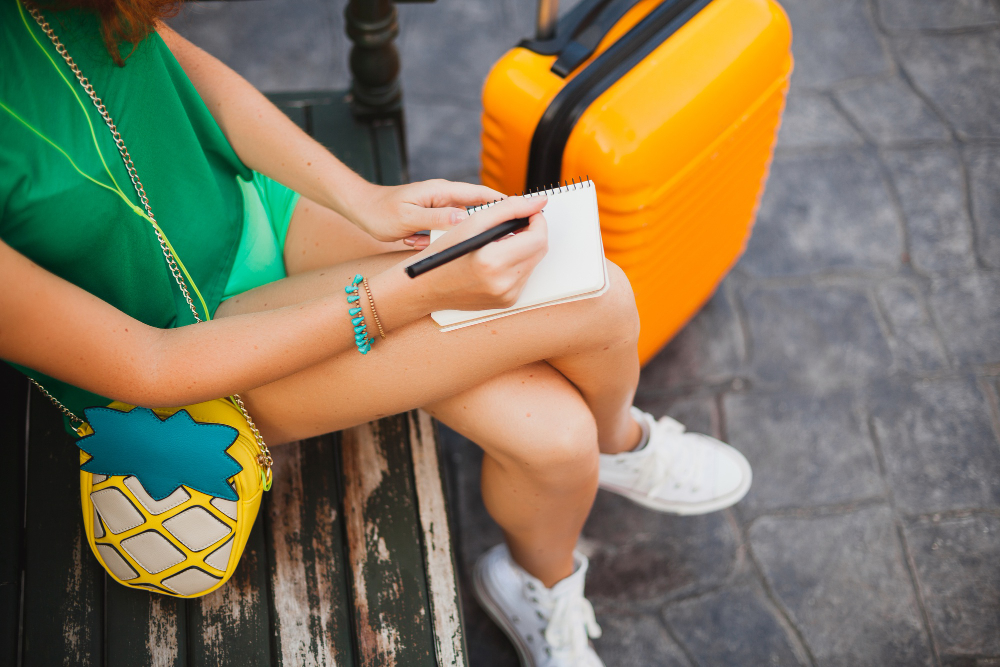
Planning a three‑week adventure across Europe can feel like a wardrobe puzzle. You might start in balmy Barcelona, hop to misty Amsterdam, and end in the alpine chill of Switzerland—all in the same suitcase. The secret to packing light and staying comfortable is to curate a capsule wardrobe built on layers, versatility, and quick‑dry fabrics.
Below you’ll find 10 clothing staples that handle unpredictable European weather, mix and match effortlessly, and fit into a carry‑on. Follow the checklist, and you’ll glide from city strolls to countryside hikes to late‑night bistros without a luggage headache.
1. Breathable Base Layers
Your foundation starts with moisture‑wicking tops (merino or high‑quality synthetics) and seamless underwear. They keep you cool in Mediterranean heat yet add warmth when temperatures dip.
How many? 3‑4 tops, 5‑7 pairs of underwear
Why they matter: They dry overnight, resist odors, and double as sleepwear.
Pro tip: Choose neutral colors for seamless layering under dress shirts or sweaters.
2. Lightweight Sweater or Fleece
Even in summer, Europe’s evenings can turn brisk—especially near the coast or at higher elevations. A thin merino wool pullover or micro‑fleece jacket provides warmth without bulk.
Choose: A half‑zip style for easy temperature regulation.
Packing hack: Roll it inside out and tuck socks inside the sleeves to save space.
3. Packable Down or Synthetic Insulated Jacket
This is your “just‑in‑case” layer for mountain rail journeys, surprise cold fronts, or late‑autumn city breaks. Look for a jacket that compresses into its own pocket, weighs under 400 g, and has a hood for extra wind protection.
Climate range: Comfortable down to about 5 °C (41 °F) when layered.
Versatility: Works as a pillow on long train rides.
4. Waterproof & Windproof Shell
Rain is a European constant—from London drizzles to springtime Paris showers. A breathable (10K/10K rating or higher) shell keeps you dry, blocks wind along coastal promenades, and layers over everything else.
Must‑have features: Storm flap, underarm vents, deep pockets.
Color tip: A bright hue doubles as a style statement and helps companions spot you in crowds.
5. Quick‑Dry T‑Shirts
Performance tees with UPF protection handle sweaty day tours, rinse easily in hotel sinks, and dry by morning. Stick to a unified palette—think charcoal, navy, or earth tones—so you can layer without clashing.
Quantity: 3‑4 shirts; rotate daily.
Upgrade: A button‑front travel shirt (roll‑up sleeves, hidden zip pocket) elevates casual outfits without sacrificing comfort.
6. Convertible Pants or Travel Skirts
For men, zip‑off or roll‑up pants morph into shorts on sunny days. For women, a midi‑length travel skirt in stretch fabric moves from beach strolls to cathedral visits where modesty counts.
Fabric: Nylon‑spandex blends shed wrinkles and stains.
Pocket check: At least one zip pocket for transit tickets or a room key.
7. Comfortable All‑Terrain Walking Shoes
Europe’s cobblestones, castle stairs, and metro escalators demand sturdy, supportive footwear. Choose one pair of lightweight waterproof hikers or urban trail shoes that can handle both city pavements and light trails.
Break‑in window: Wear them for two weeks pre‑trip to prevent blisters.
Color: Dark neutrals hide dirt and pair with jeans or casual dresses.
8. Multipurpose Scarf or Pashmina
This small accessory earns big points: neck warmer on chilly flights, shawl for church dress codes, picnic blanket in parks, and splash of color for photos.
Material: Linen‑cotton blends for summer; cashmere blends for shoulder seasons.
Style tip: Pick a pattern that complements your capsule palette to tie outfits together.
9. Thermal Accessories (Beanie & Gloves)
If your itinerary includes mountain towns or late‑fall cities, lightweight thermal gloves and a beanie weigh almost nothing yet take the sting out of early‑morning explorations.
Packability: Store them inside your waterproof shell’s hood.
Convertible option: Fingerless‑mitten hybrids let you snap photos without freezing your fingers.
10. Smart‑Casual Outfit for Evenings
Europeans dress stylishly for dinner, theater, or even upscale bars. A wrinkle‑resistant collared shirt or blouse plus dark travel jeans or a versatile dress gives you confidence when the lights get low.
Fabric: Blends with a hint of elastane resist creases.
Footwear match: Your all‑terrain shoes should be sleek enough to pass as urban casual; if not, pack foldable ballet flats or loafers.
Conclusion: Layer Smart, Travel Light
Packing for multiple climates on a 21‑day European journey doesn’t require a suitcase the size of a steamer trunk. With these 10 clothing staples, you’ll master the art of layering, stay ready for weather twists, and still look effortlessly pulled together. Each item works overtime—combining practicality, comfort, and a dash of style—so you spend less time worrying about outfits and more time living the European dream.
FAQs
1. How many pairs of shoes should I bring for three weeks in Europe?
Ideally two: all‑terrain walking shoes for daily exploring and a lightweight pair of flats or loafers for evenings. Wear the bulkier pair on flights to save luggage space.
2. Do I really need a down jacket in summer?
If your route includes high‑altitude destinations (Swiss Alps, Dolomites) or unpredictable regions (Scottish Highlands), yes. Otherwise, a light fleece plus waterproof shell may suffice.
3. How can I do laundry during a 21‑day trip without wasting sightseeing time?
Book accommodation with self‑service machines every 7‑10 days, or use quick‑dry clothing you can wash in a sink overnight. Pack a universal sink stopper and travel clothesline.
4. Can I rely on a single carry‑on for a trip this long?
Absolutely, if you stick to the capsule wardrobe above, roll/pack cubes, and wear bulkier layers in transit. Many travelers complete months‑long journeys with just a 40‑liter backpack.
5. What fabrics should I prioritize to stay comfortable across climates?
Merino wool (odor‑resistant, temperature‑regulating), nylon‑spandex blends (fast‑drying, durable), and lightweight down or synthetic insulation (warmth‑to‑weight) form the ideal trifecta.
