

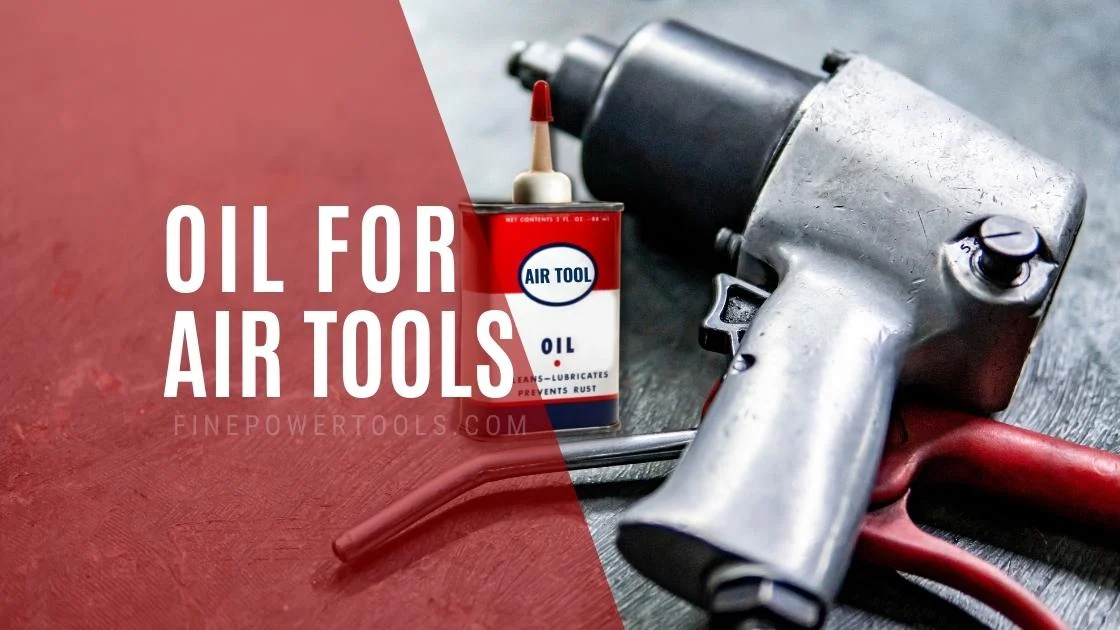
Air tools, also called pneumatic tools, rely on compressed air and proper lubrication to run smoothly. Without lubrication, friction builds up, seals dry out, and internal parts wear prematurely. That’s why mechanics and DIY enthusiasts usually keep air tool oil in their kit. But what if you run out, can’t find it locally, or want a more affordable option?
In this guide, we’ll explore the world of air tool oil substitutes, discuss which alternatives are safe, which to avoid, and how to maintain your tools for long-term performance.
Why Do Air Tools Need Oil?
Air tools operate at high speeds, often thousands of revolutions per minute. This intense motion generates heat and friction.
The oil serves several purposes:
- Lubrication: Reduces wear between moving parts.
- Rust prevention: Creates a thin protective layer inside the tool.
- Seal conditioning: Keeps O-rings and rubber seals from cracking.
- Performance boost: Ensures smoother operation with consistent airflow.
Without oil, your pneumatic tools will quickly lose efficiency and may seize up.
What Is Air Tool Oil Made Of?
Standard air tool oil is a light, non-detergent mineral oil, usually around ISO 22 or ISO 32 viscosity. It’s free from additives like detergents and solvents that could damage seals or gum up the system.
This formulation is specifically designed for:
- Low viscosity (so it flows easily through the air lines).
- Moisture resistance (since compressed air carries water vapor).
- Rubber compatibility (won’t corrode seals).
When searching for an air tool oil substitute, you need something that mimics these qualities.
Qualities of a Good Air Tool Oil Substitute
Not every oil is safe for pneumatic tools. A suitable substitute should be:
- Lightweight (similar to SAE 10 or ISO 22/32).
- Non-detergent (detergents can leave residue).
- Moisture-resistant (to combat condensation inside air tools).
- Seal-safe (won’t swell or crack rubber).
Keeping these criteria in mind will help you pick an effective substitute without risking damage.
Common Air Tool Oil Substitutes
Here are some widely used alternatives when you don’t have the official product on hand:
a) Automatic Transmission Fluid (ATF)
- Popular choice due to its light viscosity.
- Contains anti-rust and anti-wear additives.
- Works in a pinch but can swell seals over time if used excessively.
b) Hydraulic Oil (Light Grade)
- Similar viscosity to air tool oil.
- Lubricates effectively and resists water.
- Choose a non-detergent variant to avoid buildup.
c) 3-in-1 Oil or Sewing Machine Oil
- Lightweight and easy to find.
- Provides decent lubrication.
- Best used occasionally, not as a long-term solution.
d) Marvel Mystery Oil
- A favorite among mechanics.
- Protects against rust and carbon buildup.
- Works well as a semi-regular substitute.
e) Compressor Oil (Non-detergent)
- Designed for similar environments with moisture and high speed.
- Often a good match for air tool lubrication.
Oils You Should Avoid
Not all oils are safe for air tools. Some can cause more harm than good:
- Motor Oil: Too heavy and contains detergents that gum up tools.
- WD-40 or Penetrating Oils: Good for loosening bolts, but too thin for proper lubrication.
- Vegetable Oils (cooking oils): Attract dust and turn sticky over time.
- Used Oil or Recycled Fluids: Contain contaminants that wear out seals and bearings.
Using these can shorten the lifespan of your pneumatic tools.
Emergency Solutions for Air Tool Lubrication
If you’re stuck mid-project and don’t have air tool oil, here are some quick fixes:
- A few drops of ATF or sewing machine oil will keep tools running temporarily.
- Hydraulic jack oil can be used in small amounts.
- Always clean the tool thoroughly before switching back to proper oil.
Remember: These are short-term solutions. Regularly using substitutes not designed for air tools may eventually cause issues.
How to Apply an Air Tool Oil Substitute
- Disconnect the tool from the air supply.
- Add 2–3 drops of oil directly into the air inlet.
- Reconnect and run the tool for a few seconds to distribute oil.
- Repeat daily for heavy use or weekly for light use.
Consistent lubrication, even with substitutes, is better than running the tool dry.
Maintenance Tips to Extend Tool Life
- Drain the compressor tank daily to remove water buildup.
- Use an in-line oiler for automatic lubrication.
- Store tools in a dry place to prevent rust.
- Switch back to proper air tool oil as soon as possible.
These practices reduce wear, even if you rely on substitutes occasionally.
Comparing Costs: Oil vs Substitutes
- Air tool oil: ~$5–10 per bottle.
- ATF: Cheaper, widely available.
- Hydraulic oil: Inexpensive, bulk quantities.
- Sewing machine oil: Affordable, but limited lubrication life.
While substitutes may save money short term, specialized air tool oil remains the most cost-effective for tool longevity.
The Verdict: Should You Use an Air Tool Oil Substitute?
Substitutes work in emergencies or when you need quick lubrication, but they’re not perfect. Occasional use of ATF, sewing machine oil, or Marvel Mystery Oil is fine. However, for long-term tool health, it’s best to invest in a bottle of real air tool oil — it’s inexpensive insurance against costly repairs.
Conclusion
When it comes to air tool oil substitutes, several household and workshop oils can step in temporarily. ATF, sewing machine oil, Marvel Mystery Oil, and light hydraulic oil all provide some protection. But remember: the safest route is to keep proper air tool oil on hand.
Using the right oil ensures your pneumatic tools last longer, perform better, and don’t fail mid-job. Substitutes are handy, but they should be viewed as backup solutions, not permanent replacements.
FAQs
1. Can I use motor oil as an air tool oil substitute?
No, motor oil is too thick and contains detergents that damage air tools.
2. Is ATF safe for air tools?
Yes, ATF works in emergencies but may affect seals with long-term use.
3. How often should I oil my air tools?
Daily for heavy use, weekly for light use. Always apply 2–3 drops before operation.
4. Can I use WD-40 as an air tool lubricant?
No, WD-40 is too thin and evaporates quickly. It’s not a suitable substitute.
5. What’s the best long-term air tool oil substitute?
Marvel Mystery Oil or light hydraulic oil are the closest safe alternatives, but real air tool oil is still best.
Also read: Flat Fireplace Screen – Stylish Protection for Your Hearth
