

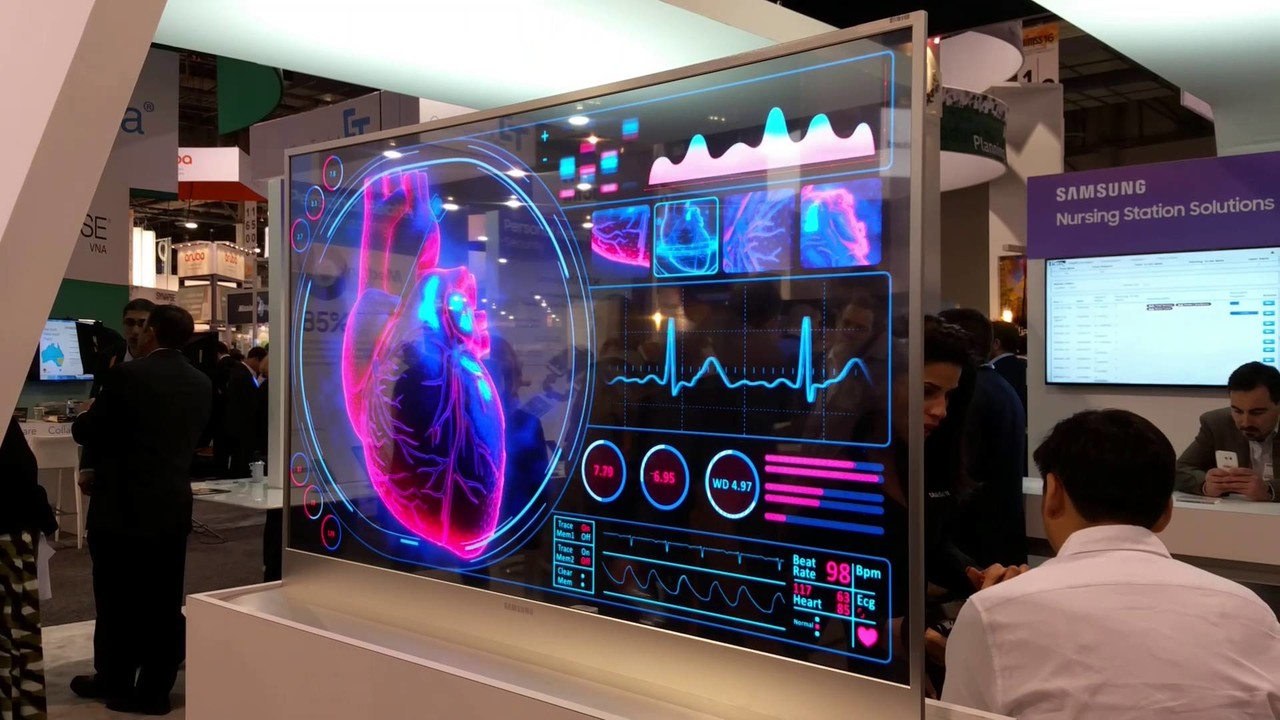
Glass LED is one of the most groundbreaking innovations in display technology today. By embedding micro-LEDs within glass panels, manufacturers have created displays that are not only bright and energy-efficient but also transparent and aesthetically striking. These displays offer a futuristic look that combines functionality with elegance, making them ideal for use in retail, architecture, automotive, and advertising.
This article explores what Glass LED is, how it works, where it’s used, and why it’s being hailed as the future of display technology.
Understanding Glass LED Technology
Glass LED, also known as transparent LED or LED glass screen, refers to a display solution where light-emitting diodes (LEDs) are embedded between two layers of tempered glass. These LEDs are almost invisible when the screen is off, offering up to 90% transparency depending on the pixel pitch and design.
Unlike traditional LED or LCD displays, Glass LEDs do not require a solid backing. Instead, they are see-through and can be integrated directly into windows, glass facades, and walls.
How Does Glass LED Work?
The core of Glass LED technology lies in its transparent conductive circuits embedded in glass. Each tiny LED chip emits light in RGB (red, green, blue) and is carefully positioned to maintain optical clarity.
When the screen is active, it can display full-color images, videos, text, and animations, just like a conventional LED screen. When turned off, the screen appears nearly invisible, offering seamless integration with its surroundings.
Key Features of Glass LED Displays
Here are the most remarkable features that make Glass LED displays stand out:
- High Transparency: Up to 80–90% transparency depending on pixel density.
- Lightweight and Ultra-Thin: Panels are typically less than 10mm thick.
- Brightness and Clarity: Can achieve brightness levels of 3000–7000 nits, suitable for direct sunlight.
- Modular Design: Easy to install and maintain.
- Energy Efficient: Consumes less power than traditional displays.
Applications of Glass LED in Different Industries
Glass LED displays are already being deployed across various sectors:
Retail & Malls
Used in storefront windows to show dynamic ads while allowing customers to see inside the store.
Architecture
Integrated into glass walls, building facades, and elevators for both aesthetic and informative displays.
Automotive
Being tested for use in windshields and windows for navigation, heads-up displays (HUD), and branding.
Transportation
Utilized in airports, subways, and train stations to display schedules, updates, or advertising without obstructing views.
Events & Exhibitions
Used for holographic visuals, creative installations, and digital staging.
Glass LED vs. Traditional LED Screens
| Feature | Glass LED | Traditional LED |
| Transparency | Up to 90% | 0% (opaque) |
| Aesthetics | Sleek, modern, invisible when off | Bulky, visible frame |
| Installation | Built into glass | Mounted externally |
| Use Cases | Architectural, design-focused | Conventional signage |
| Cost | Higher | Lower |
Glass LED is not meant to replace traditional LED but to complement it in environments where design, space, and aesthetics matter just as much as functionality.
Advantages of Glass LED Displays
Transparency & Space-Saving
Its see-through nature enables better space utilization, making it ideal for urban, commercial, and retail environments.
Enhanced Aesthetics
Glass LED creates a futuristic ambiance. It blends perfectly with modern architecture.
Interactivity
Advanced models support touchscreen features, adding interactivity to storefronts and museum exhibits.
Lower Light Pollution
Glass LEDs emit light in a more focused and directional way, reducing unwanted glare and light spillage.
Disadvantages and Limitations
Despite their impressive features, Glass LEDs come with a few challenges:
- Higher Cost: Advanced manufacturing and installation drive up costs.
- Lower Resolution: Due to the transparent pixel matrix, resolution is typically lower than traditional LEDs.
- Fragility: While tempered, glass is still more fragile than solid-state displays.
- Limited Indoor Brightness Options: Some models optimized for outdoor use might be too bright for indoor applications.
Innovations in Glass LED Technology
With ongoing R&D, manufacturers are addressing current limitations by:
- Improving pixel density for higher resolution.
- Introducing flexible glass LED for curved or moving surfaces.
- Enhancing touch interactivity for smart glass applications.
- Integrating AI-driven content management for dynamic displays.
The development of micro-LEDs and nanotechnology is expected to significantly advance Glass LED displays in the next 3–5 years.
Market Outlook and Adoption Trends
According to recent industry reports, the global Glass LED market is expected to grow at a CAGR of over 15% between 2024 and 2030. Major factors driving this growth include:
- Increasing demand for smart buildings.
- Rising focus on interactive digital signage.
- Integration with IoT and smart cities.
- High adoption in Asia-Pacific, especially China, Japan, and South Korea.
Should You Invest in Glass LED Technology?
If your business relies on visibility, aesthetics, and innovation, Glass LED is a worthwhile investment. Although initial costs are higher, the visual impact, energy savings, and brand differentiation often offer substantial ROI, especially in high-traffic retail locations, airports, and smart offices.
Conclusion
Glass LED is not just a flashy gimmick — it represents a paradigm shift in visual communication. As this technology matures, we can expect to see it embedded into everyday surfaces, transforming how we interact with digital content.
From shopping malls to skyscrapers, Glass LED displays are creating more interactive, aesthetic, and informative environments without obstructing views or cluttering spaces. Transparent display technology is here — and the future is looking
FAQs
1. What is the lifespan of a Glass LED display?
Most Glass LED displays have a lifespan of 50,000 to 100,000 hours, depending on usage and quality.
2. Can Glass LED be used outdoors?
Yes. Many Glass LED panels are built to be weatherproof and UV-resistant, making them suitable for outdoor use.
3. How does Glass LED affect building energy efficiency?
Glass LEDs are energy-efficient, and their integration into facades can replace traditional signage, reducing overall energy consumption.
4. Is Glass LED safe?
Yes. The use of tempered safety glass and low-voltage circuits makes them safe for public and commercial environments.
5. What is the difference between Glass LED and OLED transparent displays?
OLED transparent displays use organic light-emitting diodes and are ideal for smaller screens. Glass LED is better suited for large-scale architectural or commercial installations.
Also read: New Program to Move Potential MND Drugs into Clinical Trials Faster
