

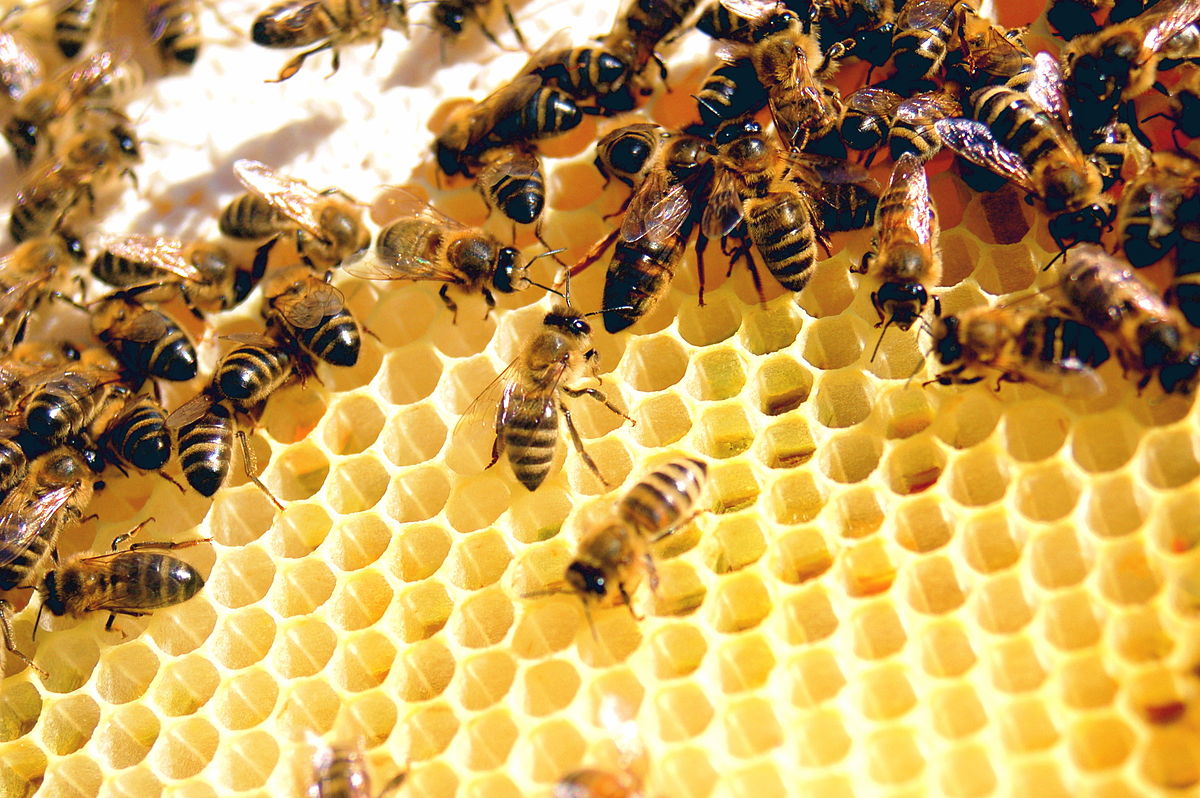
When it comes to understanding the inner workings of a beehive, one of the most fascinating comparisons is that of the queen bee vs worker bee. Though both belong to the same species, their roles, anatomy, behavior, and lifespans are remarkably different. This article will delve into what sets these two types of bees apart and how they contribute to the survival and success of the hive.
The Role of the Queen Bee
The queen bee is the matriarch and central figure in a hive. Her primary responsibility is reproduction. A healthy queen can lay up to 2,000 eggs per day during peak season. She produces pheromones that regulate the behavior and development of the other bees in the colony. Her mere presence influences the harmony and function of the entire hive.
The Role of Worker Bees
In the queen bee vs worker bee debate, worker bees may appear less significant, but their role is no less vital. Worker bees are female bees that do not reproduce under normal hive conditions. They are the hive’s builders, foragers, defenders, and nurses. Without worker bees, the queen would not be fed, the hive would not be maintained, and no food would be gathered.
Physical Differences Between Queen and Worker Bees
The anatomy of a queen bee is quite different from that of a worker bee:
| Feature | Queen Bee | Worker Bee |
| Size | Larger and longer | Smaller and shorter |
| Abdomen | Extended and pointed | Rounded |
| Wings | Shorter relative to body | Proportional |
| Stinger | Smooth, can sting multiple times (used for rival queens only) | Barbed, dies after stinging |
These physical differences support their roles within the colony.
Lifespan: Longevity in the Hive
When comparing queen bee vs worker bee lifespans, the contrast is stark:
- Queen Bee: Can live between 2 to 5 years, sometimes longer if healthy.
- Worker Bee: Lives 5 to 7 weeks during summer and up to 5 months during winter.
The queen’s longevity is due to her royal diet of royal jelly, while worker bees face daily physical labor that shortens their lives.
Reproductive Functions and Mating
Reproduction is one of the most important distinguishing factors in the queen bee vs worker bee discussion.
- The queen bee is the only fertile female in a hive. She mates once (during a nuptial flight), storing sperm for her lifetime. She lays both fertilized eggs (females) and unfertilized eggs (males or drones).
- Worker bees have undeveloped ovaries. However, in the absence of a queen, they may lay unfertilized eggs that develop into drones, which can destabilize the hive.
Diet: Royal Jelly vs Bee Bread
Diet is a key differentiator in the development of queen and worker bees:
- Queen Bee Larvae: Fed exclusively on royal jelly, a protein-rich secretion from nurse bees, for their entire development.
- Worker Bee Larvae: Fed royal jelly only for the first three days, then switched to bee bread (a mixture of pollen and nectar).
This difference in diet is what triggers genetic changes that make one female larva a queen and another a worker.
Behavior and Social Hierarchy
The queen bee is often seen as the leader, but she does not “command” the hive. Instead, her pheromones regulate behavior. Worker bees perform duties in an age-based system:
- Days 1–3: Cell cleaning
- Days 4–12: Nurse duties
- Days 13–18: Hive maintenance and wax production
- Days 19–21: Guard duties
- Day 22 onward: Foraging
The queen remains mostly stationary, laying eggs and receiving food from worker bees.
Swarming and Supersedure: The Queen’s Replacement
There are two main reasons a new queen may emerge:
- Swarming: A natural process where the old queen leaves with part of the colony to form a new hive. Worker bees raise new queens for the old hive.
- Supersedure: When a queen is failing (due to age or illness), the colony raises a new queen to replace her. Often, the new queen will kill the existing queen once she emerges.
This self-regulating system is essential to the hive’s long-term survival.
Importance to the Ecosystem
In the queen bee vs worker bee comparison, both types play irreplaceable roles in pollination and agriculture. While queen bees ensure colony continuity, worker bees are responsible for pollinating crops, which supports biodiversity and food production.
Without either, the balance of natural ecosystems and agriculture would be disrupted, leading to cascading ecological impacts.
Conclusion
When comparing the queen bee vs worker bee, it’s clear that both are essential to the functioning and survival of the hive. The queen ensures reproduction and genetic continuity, while the worker bees perform the labor that keeps the hive alive.
Rather than a hierarchy of dominance, the bee colony represents a harmonious system where each member plays a specialized role for the benefit of the whole. This elegant division of labor is a testament to nature’s complexity and the importance of every role, no matter how big or small.
FAQs
1. Can a worker bee become a queen?
No, a worker bee cannot become a queen after development. Only larvae fed exclusively on royal jelly from birth can become a queen.
2. Why do queen bees live longer than worker bees?
Queen bees are fed royal jelly throughout their life and are not exposed to the physical labor that shortens worker bees’ lives.
3. Do queen bees leave the hive?
Usually, a queen stays in the hive. She may leave once during her lifetime for mating and again if the colony swarms.
4. How do bees choose a new queen?
Worker bees select several young larvae and feed them royal jelly. The first queen to emerge often kills her rivals.
5. Can a hive survive without a queen?
Not for long. Without a queen, no new bees are born, and the colony will eventually die off unless a new queen is introduced.
Also read: Jellyfish Stings Are Increasing In Los Cabos — Here Is How You Can Stay Safe
