

While most people associate art with color, light, and vibrancy, there exists a powerful and often overlooked artistic realm born in darkness—both literal and metaphorical. From shadow puppetry and low-light installations to paintings evoking emotional depth, artists have long used darkness not as a void but as a canvas. This article explores how artists around the world embrace darkness to spark creativity, evoke emotion, and tell stories that light cannot.
The Psychology of Darkness in Art
Darkness in art is not simply the absence of light—it’s a psychological space. According to psychology, shadows symbolize the subconscious, the unknown, and sometimes, fear or repressed emotion. Artists leverage this symbolism to create emotional resonance in their work. The darkness becomes a tool to confront inner conflict, mystery, and even catharsis.
Shadows also activate imagination. When viewers cannot see everything clearly, they are encouraged to project their own interpretations, forming a personal connection with the piece.
Historical Roots: Art and Shadow Through the Ages
The use of shadow and darkness in art dates back centuries. In Renaissance art, chiaroscuro (the contrast of light and shadow) was famously used by artists like Caravaggio and Rembrandt to create depth and drama. In East Asia, shadow puppetry became a sophisticated storytelling tool, combining intricate cutouts and lamplight to cast moving images.
Even prehistoric cave paintings relied on flickering torchlight, where shadows likely added a dynamic, almost magical quality to the depictions.
Chiaroscuro: Mastering Contrast
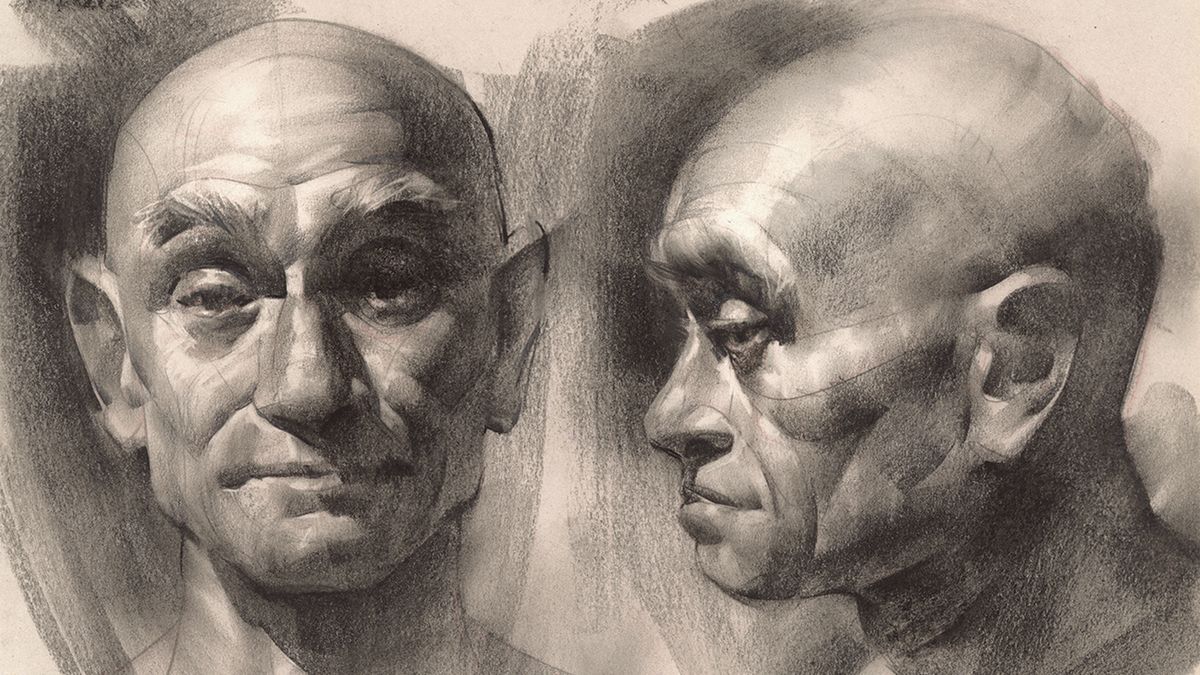
One of the most iconic methods of using darkness in visual art is chiaroscuro. Developed during the Renaissance, it involves using stark contrasts between light and dark to achieve a three-dimensional effect.
Artists like Leonardo da Vinci, Caravaggio, and Rembrandt employed chiaroscuro to draw attention to key elements, heighten drama, and invoke emotional depth. The result? Paintings that feel alive, as if the subjects could step out of the canvas.
Contemporary Interpretations: Modern Artists Working with Darkness
Modern and contemporary artists have expanded the conversation around darkness. James Turrell, for example, uses light installations in pitch-black rooms to manipulate viewers’ perceptions. Olafur Eliasson’s immersive exhibitions often combine light and darkness to provoke thought about the environment and human perception.
Other artists, like Kara Walker, use silhouettes and shadow figures to confront difficult historical narratives. In these cases, the dark is not empty—it’s filled with meaning, protest, and reflection.
Low-Light Art Installations: Immersive Experience
Galleries and artists are increasingly turning to low-light installations to create immersive, emotional experiences. These exhibits often require visitors to slow down, rely on senses beyond sight, and engage with the artwork on a more intimate level.
Examples include:
- “Dark Matter” exhibits that explore physics and cosmology through lightless rooms
- “Blindfold painting sessions”, where artists create work without seeing
- Multi-sensory experiences, combining darkness with sound, touch, or even scent
These environments push the boundaries of what constitutes art and how it is perceived.
Film Noir and Dark Cinematic Aesthetics
Art in the dark extends beyond galleries into cinema. The film noir genre, popularized in the 1940s and 1950s, is rooted in darkness—both visually and thematically. Deep shadows, low-key lighting, and morally ambiguous characters dominate these films.
Directors like Alfred Hitchcock, David Lynch, and Christopher Nolan have also explored darkness to build tension, mystery, or introspection. Their visual language shows how powerful darkness can be when used intentionally.
Photography: Painting with Light and Shadow
Photographers often use darkness and shadow to create contrast, mystery, and storytelling in a single frame. Low-key photography, where most of the image is dark, places emphasis on shapes, outlines, and emotion.
Famous photographers like Brassai captured the allure of Paris at night, while contemporary artists use artificial light, flash, and shadow to explore urban loneliness, intimacy, or abstraction. In photography, the dark is not a limitation—it’s a stylistic choice.
Art Therapy and Darkness: Healing Through Shadow
In the realm of art therapy, exploring darkness can be deeply healing. Patients are sometimes encouraged to express hidden emotions—such as grief, trauma, or anxiety—through shadow imagery or work done in dimly lit environments.
Creating in the dark removes judgment and expectation. It can free the subconscious, allowing inner worlds to emerge more freely. Therapists have found that working without visual control fosters emotional honesty and vulnerability.
The Metaphor of Darkness in Art
At its core, “art in the dark” is more than a technical approach—it’s a metaphor. Darkness represents the unknown, the repressed, the mystical, and even the sacred. From mythology to modern narratives, darkness is where transformation begins.
Artists step into the dark to find what is hidden, forgotten, or feared. In doing so, they invite viewers to face their own shadows and illuminate them through creativity.
Conclusion
“Art in the Dark: Illuminating Creativity Through Shadows” is more than a niche style—it’s a celebration of nuance, vulnerability, and depth. From the Renaissance to modern installations, artists have proven that light alone cannot tell the full story.
Darkness challenges, comforts, and questions. In embracing it, both creators and viewers find layers of meaning that shine brighter than any spotlight. In the end, true creativity often begins where the light ends.
FAQs
1. What is ‘Art in the Dark’?
“Art in the Dark” refers to artistic expressions that use darkness—either literal or symbolic—as a key element. This includes low-light installations, chiaroscuro painting, shadow puppetry, and art made or viewed in dim environments.
2. Why do artists use darkness in their work?
Darkness allows artists to explore themes of mystery, emotion, subconscious thoughts, and transformation. It also creates dramatic visual contrasts and encourages deeper viewer engagement.
3. How does shadow influence perception in art?
Shadows obscure detail, prompting viewers to use imagination and emotion. This often leads to a more personal connection with the artwork and heightens curiosity or tension.
4. Is art in the dark only visual, or can it involve other senses?
It can be multi-sensory. Many dark-themed installations involve sound, touch, or even scent to immerse visitors fully and shift focus away from sight alone.
5. Can darkness be therapeutic in art creation?
Yes. Art therapy often uses darkness metaphorically or literally to help individuals express buried emotions and achieve emotional clarity through visual expression.
Also read: Peak Rucksack: 10 Must-Have Accessories to Pair With It
