

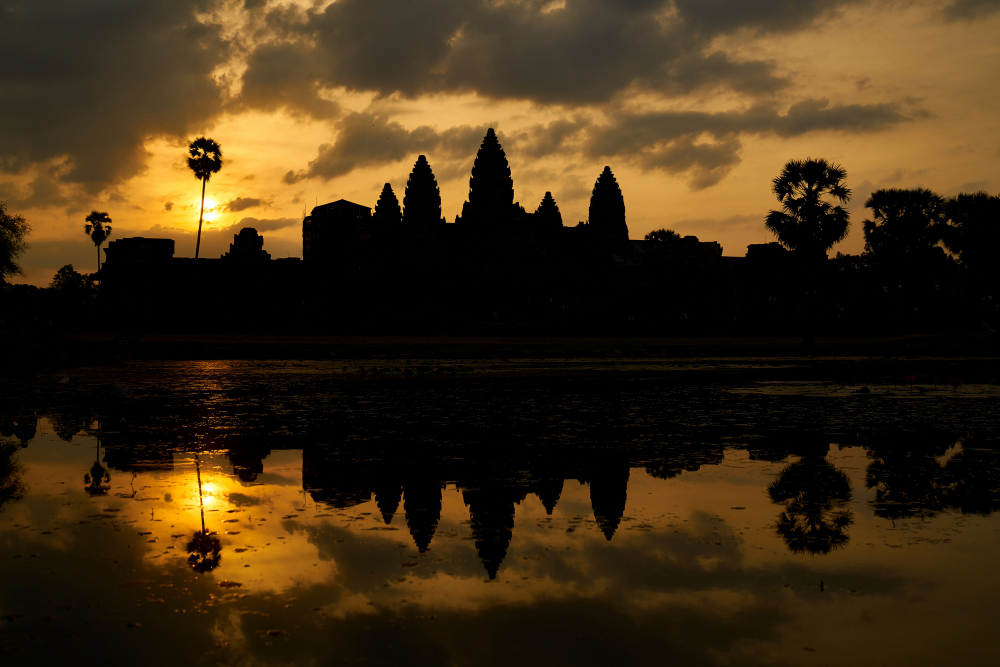
Siem Reap, Cambodia, is world-renowned for Angkor Wat—the crown jewel of Khmer architecture and one of the most iconic temples in the world. But there’s far more to explore in this historic region than just Angkor Wat. For travelers eager to go off the beaten path and experience more of Cambodia’s spiritual and architectural heritage, Siem Reap is home to dozens of lesser-known but equally fascinating temples.
If you’re wondering what things to see and do in Siem Reap beyond the famous Angkor Wat, this guide highlights 10 must-visit temples that will enrich your trip with mystery, history, and awe-inspiring beauty.
1. Bayon Temple – The Temple of Smiling Faces
Located in the heart of Angkor Thom, Bayon Temple is famous for its serene and gigantic stone faces. With 54 towers and 216 faces believed to represent either Avalokiteshvara or King Jayavarman VII, Bayon offers one of the most visually striking experiences in the Angkor complex. Intricate bas-reliefs depict battles, daily life, and mythology, making this temple a must-see beyond Angkor Wat.
2. Ta Prohm – The Jungle Temple
If you’ve seen Tomb Raider, you’ll instantly recognize Ta Prohm. This temple is famous for its overgrown trees and massive roots that appear to consume the stone structures. Left largely in the condition it was found, Ta Prohm offers a haunting and cinematic atmosphere, creating the illusion that nature is reclaiming the land.
3. Banteay Srei – The Citadel of Women
Often called the “jewel of Khmer art,” Banteay Srei is a small yet incredibly detailed temple located about 25 km from the main Angkor complex. Made of pink sandstone, its intricate carvings are the most refined in Cambodia. Although smaller in scale, this 10th-century temple dazzles with precision and elegance.
4. Preah Khan – The City of Sacred Swords
Preah Khan is a sprawling, lesser-visited temple complex that once served as a Buddhist university and city. Similar to Ta Prohm, it’s partially overrun by jungle, but it is less crowded and more atmospheric. The maze-like corridors and fallen stones give you the sense of stepping back in time into an ancient world.
5. Neak Pean – The Island Temple
Situated in the middle of a man-made lake, Neak Pean is a unique temple unlike any other in Siem Reap. Originally built for medical purposes, it’s based on ancient beliefs that bathing in the pools could cure disease. The walk along the boardwalk across the water makes this site serene and spiritual.
6. Ta Som – The Hidden Gem
Ta Som is a smaller temple east of Neak Pean that sees fewer tourists but offers a similar magical vibe to Ta Prohm. One of its gates is enveloped by a sacred fig tree, creating one of the most photogenic and peaceful spots in the Angkor region. It’s ideal for those wanting a quiet, intimate temple experience.
7. East Mebon – The Elephant Temple
Built in the 10th century, East Mebon is notable for the huge stone elephants guarding each corner of its multiple tiers. Originally located on an island in the now-dry East Baray reservoir, this temple provides insight into the Khmer’s impressive engineering. The views from the top tier are especially rewarding at sunset.
8. Phnom Bakheng – Sunset Over Angkor
While Phnom Bakheng is often visited for its panoramic sunset views over Angkor Wat, it’s a remarkable temple in its own right. As the first temple built in the Angkor area, it represents Mount Meru, the sacred mountain in Hindu mythology. Arrive early, as the sunset crowds grow quickly and access is limited.
9. Bakong – The First Khmer Temple Mountain
Located in the Roluos Group, Bakong was one of the first large-scale stone temples built by the Khmer Empire. It features a stepped pyramid structure and is believed to be a prototype for later temple mountains like Angkor Wat. With fewer crowds and peaceful surroundings, Bakong is ideal for contemplative exploration.
10. Lolei – The Island Temple of the Roluos Group
Also part of the Roluos Group, Lolei consists of four brick towers that were once located on an artificial island. While the structures are modest and partially crumbling, the setting is picturesque, and you’ll often see monks nearby, adding a touch of authenticity and spirituality to your visit.
Conclusion: Go Beyond Angkor Wat for a Deeper Siem Reap Experience
While Angkor Wat deserves all the praise it receives, Siem Reap’s magic truly unfolds when you venture beyond its most famous monument. These 10 temples offer a more intimate and immersive journey into Cambodia’s rich history, religious evolution, and architectural brilliance.
Whether you’re captivated by nature reclaiming ancient stone or stunned by intricate carvings in pink sandstone, each temple has a story that connects you to the mighty Khmer Empire. Add these sites to your itinerary and uncover the full spiritual soul of Siem Reap.
FAQs About Temples in Siem Reap (Beyond Angkor Wat)
1. Do I need a special ticket to visit these temples?
Most of these temples are part of the Angkor Archaeological Park, so your Angkor Pass (available in 1-day, 3-day, or 7-day options) will cover them. Temples like Banteay Srei and Phnom Bakheng are included, but some in the Roluos Group might require extra planning due to distance.
2. What is the best way to get around to these temples?
Hiring a tuk-tuk for the day is the most common and convenient way to visit multiple temples. For longer distances like Banteay Srei or Roluos, consider a private car or van, especially if you’re traveling in a group or with kids.
3. What should I wear when visiting temples in Siem Reap?
Respect is key. Wear modest clothing that covers your shoulders and knees. Lightweight, breathable fabrics are best due to the tropical heat. Also, bring a hat, sunglasses, and plenty of water.
4. When is the best time of day to visit these temples?
Early mornings and late afternoons are ideal to avoid heat and crowds. Sunrise and sunset visits also offer the best lighting for photography. For temples like Phnom Bakheng, arrive at least an hour before sunset due to limited capacity.
5. Are these temples suitable for children or older travelers?
Yes, but be mindful that many have uneven paths, steep steps, and limited shade. Ta Prohm, Bayon, and Neak Pean are more accessible, while Bakong and Phnom Bakheng may be challenging for those with mobility issues. Bring water, snacks, and pace your visits.
