

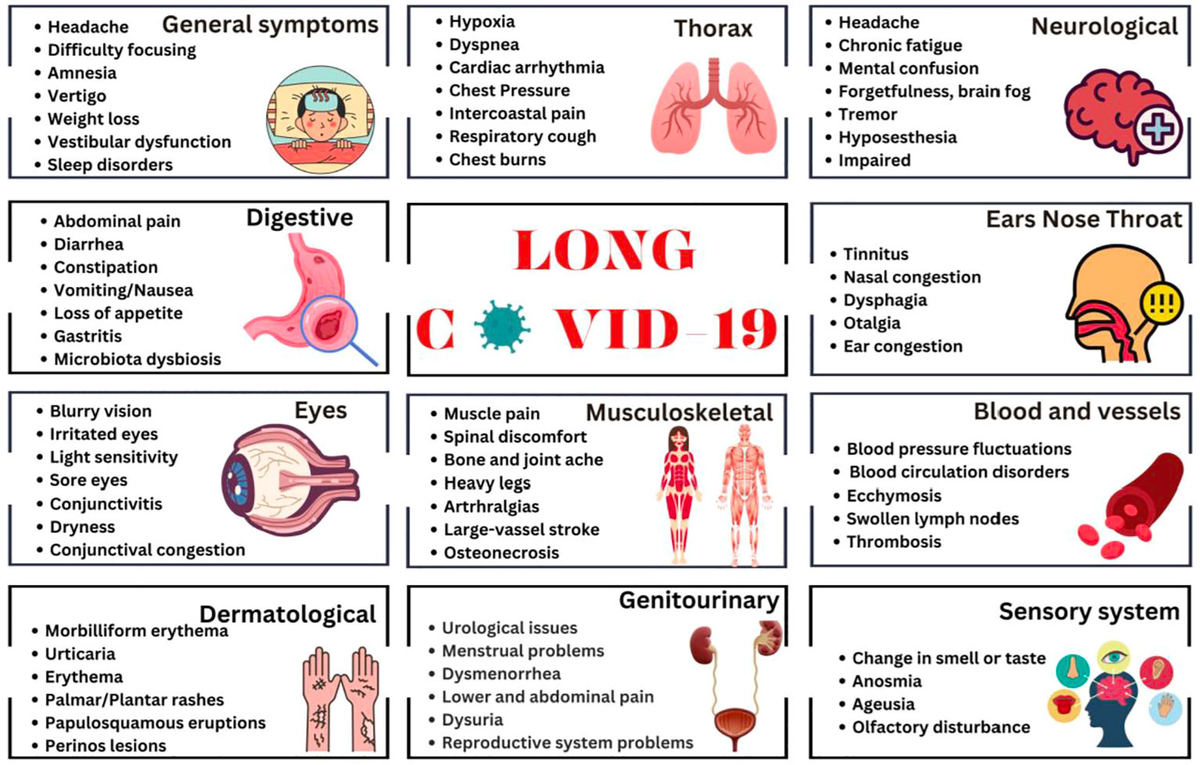
Struggling to catch your breath after recovering from Covid-19? You’re not alone.
For thousands of people, especially young adults and students, the fight with Covid-19 doesn’t end after a negative test result. One of the most persistent and frustrating symptoms of Long Covid is breathlessness—even months after recovery.
But new research is bringing us closer to an answer—and it’s not what you might expect.
The Culprit: Overactive Monocytes
A recent study by immunologists suggests that monocytes—a type of immune cell—may be the hidden factor behind prolonged symptoms. Normally, monocytes help your body fight infections. But in long Covid patients, they seem to stay activated long after the virus is gone.
“These immune cells essentially forget to switch off,” says Dr. Emily Carter, a virologist at the UK Institute of Health Sciences.
As a result, your body acts like it’s still fighting an infection—causing inflammation, tight chest, and fatigue.
Why It Matters for Students
Whether you’re living in student housing, attending lectures, or just trying to enjoy your social life, lingering breathlessness can be debilitating. It affects:
- Physical activity (even walking up stairs)
- Concentration in class
- Sleep quality
- Mental health
For many students at Nova Coventry, that means skipping workouts, missing lectures, or even struggling with basic chores.
The Psychology of Long Covid
Studies also show that prolonged breathlessness can worsen anxiety and brain fog—especially in younger adults who expected a quick recovery. The body keeps reacting as if it’s still in crisis mode, leaving students trapped in a cycle of stress and fatigue.
What You Can Do
While research is still evolving, here are a few science-backed tips to manage symptoms:
1. Speak to a GP
Long Covid is now recognised by the NHS. You might be eligible for a Long Covid clinic referral.
2. Focus on breathwork
Controlled breathing exercises like box breathing or 4-7-8 method can help retrain your lungs.
3. Support your immune system
Eat anti-inflammatory foods: berries, leafy greens, oily fish, and nuts. Avoid alcohol and processed sugars.
4. Prioritise recovery
Don’t rush back into full activity. Track your symptoms, rest often, and pace yourself—even if you’re feeling better.
Nova Coventry Cares
At Nova Coventry, we care about your well-being beyond just accommodation. Our community spaces, fitness centre, and wellness workshops are designed to support your post-Covid recovery journey.
Stay informed, stay strong, and remember: recovery takes time—and you’re not alone.
SEO Optimizations Behind the Scenes:
| SEO Element | Optimization |
| Keyword Focus | “long Covid breathlessness”, “Covid immune system”, “student long Covid recovery” |
| Internal Link | Link to Nova Coventry’s health & wellness resources |
| External Link | Link to NHS Long Covid guidance |
| Structured Data | NewsArticle or BlogPosting schema |
| Readability | Flesch Score > 60, suitable for 16–30 age group |
| Image Suggestions | Header photo of a student resting with a caption: “Fatigue from long Covid is real—don’t ignore it.” |
