

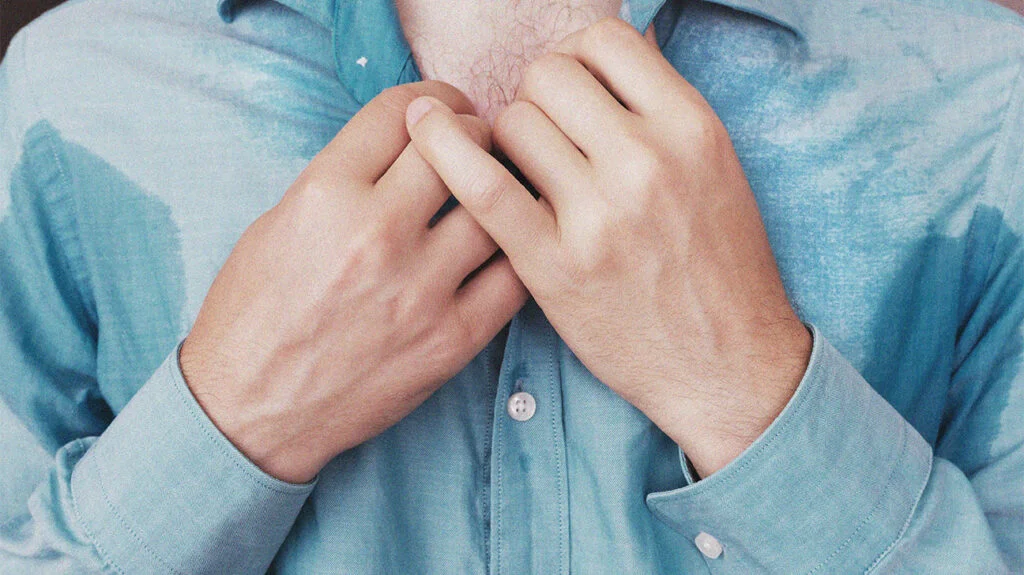
Have you ever stepped out of the shower feeling clean, only to notice that your armpits still smell? If so, you’re not alone. One of the most frustrating hygiene issues people face is lingering underarm odor, even after washing thoroughly. You may be wondering, “Why do my armpits smell even after a shower?” This common concern usually stems from a combination of biological, environmental, and lifestyle factors—not just your hygiene routine.
In this in-depth article, we’ll explore the top causes behind persistent armpit odor and share easy, effective fixes to help you stay fresh from morning to night.
Bacteria: The Primary Cause of Armpit Odor
After a shower, your skin may feel clean, but odor-causing bacteria can still linger, especially in moist, warm areas like your armpits. Sweat itself is odorless, but once it mixes with bacteria, it creates that familiar smell.
Fix:
- Use an antibacterial soap with ingredients like triclosan or tea tree oil.
- Scrub your underarms thoroughly for at least 30 seconds per side.
- Dry completely after showering to slow bacterial growth.
Incomplete Cleansing or Poor Technique
Sometimes, the smell remains simply because you’re not scrubbing long enough or using the right products. Rinsing isn’t enough—mechanical action (scrubbing) is crucial to remove oils, bacteria, and residue.
Fix:
- Use a washcloth, loofah, or exfoliating glove.
- Focus on circular motions to lift trapped debris.
- Switch to a body wash designed for odor control.
Residue from Deodorants and Antiperspirants
Over time, deodorant and antiperspirant residue can build up, creating a film that traps bacteria and sweat beneath the skin’s surface.
Fix:
- Use a gentle exfoliant or armpit detox mask once or twice a week.
- Try micellar water or witch hazel to remove product buildup.
- Alternate between deodorant types to avoid overexposure.
Hormonal Changes and Body Chemistry
Hormonal shifts during puberty, menstruation, pregnancy, menopause, or even stress can increase sweat production or alter your natural body odor.
Fix:
- Monitor patterns and consult a doctor if changes are sudden or severe.
- Use a clinical-strength antiperspirant or natural deodorants with magnesium or charcoal.
Diet and Nutritional Habits
What you eat directly affects your body’s scent. Foods like garlic, onions, red meat, spicy dishes, and alcohol can make your sweat more pungent.
Fix:
- Track your meals for a few days to spot potential odor triggers.
- Add chlorophyll-rich foods (like parsley, spinach, or wheatgrass).
- Stay well-hydrated to flush out odor-causing toxins.
Sweat Gland Type and Overactivity
Humans have two main types of sweat glands: eccrine and apocrine. The apocrine glands (mostly in your armpits and groin) produce thicker sweat that bacteria feed on. People with overactive apocrine glands may struggle more with odor.
Fix:
- Apply antiperspirant at night for better absorption.
- Consider prescription-strength options or Botox treatments for excessive sweating (hyperhidrosis).
Clothing and Fabric Choices
Synthetic fabrics like polyester and nylon trap sweat and bacteria, even after multiple washes. Wearing the same unwashed shirt—even briefly—can cause immediate odor to return after showering.
Fix:
- Choose natural fibers like cotton, bamboo, or linen.
- Wash clothes in hot water with baking soda or vinegar to kill bacteria.
- Change into fresh clothing immediately after showering.
Shaving and Hair Management
Armpit hair traps sweat and bacteria, especially if it’s not kept clean or dry. Shaving helps reduce odor but can lead to skin irritation, which also contributes to odor.
Fix:
- Trim or shave hair with a clean razor.
- Avoid shaving immediately before applying antiperspirant, which can irritate skin.
- Use soothing post-shave balms.
Skin Conditions and Fungal Infections
Sometimes, persistent odor is due to skin issues like fungal infections, intertrigo, or conditions like hidradenitis suppurativa. These can lead to swelling, pus, and a foul smell.
Fix:
- Look for symptoms like redness, itching, or bumps.
- Use anti-fungal powders or creams.
- Visit a dermatologist for chronic or painful flare-ups.
Your Towel and Hygiene Habits
If you’re drying off with a damp or unwashed towel, you may be reapplying bacteria to your clean body. Similarly, skipping daily deodorant or not drying thoroughly can undo all your effort.
Fix:
- Always use a clean, dry towel.
- Pat your underarms completely dry before dressing.
- Apply deodorant or antiperspirant while the skin is dry and clean.
Conclusion
If you’re still asking, “Why do my armpits smell even after a shower?”, the answer likely involves a combination of causes. From bacterial buildup and hormonal shifts to clothing choices and hygiene technique, many variables contribute to persistent underarm odor.
The good news? Most of these issues are easily fixable with a few adjustments to your routine:
- Switch to antibacterial soap
- Exfoliate regularly
- Choose natural fabrics
- Watch your diet
- Reassess your deodorant
Consistency is key. Stick with your new habits, and you’ll likely see—and smell—improvement within a week.
FAQs
1. Is it normal to have body odor right after showering?
While not ideal, it’s not uncommon. It usually points to lingering bacteria, product buildup, or hormonal issues.
2. Can stress cause underarm odor?
Yes. Stress triggers the apocrine glands to release a thicker sweat, which bacteria love—causing stronger odor.
3. How often should I exfoliate my armpits?
1–2 times per week is ideal. Over-exfoliating can cause irritation, which may worsen odor.
4. Do natural deodorants work for strong body odor?
They can, especially those with baking soda, magnesium, or activated charcoal. You may need to go through a detox period first.
5. When should I see a doctor about armpit odor?
If odor persists despite good hygiene, or if it comes with rash, swelling, or discharge, consult a dermatologist or general physician.
Also read : BayCare Patient Portal Login – A Complete Guide
