

Few regions in the world are as deeply linked to gothic legends and supernatural lore as Transylvania. Nestled in the heart of Romania, this picturesque region has become synonymous with vampires, largely thanks to the enduring legend of Dracula. But how much of what we believe is based on truth—and how much is pure fiction?
In this article, we’ll separate fact from fantasy in the tale of vampires and Transylvania. From real historical figures to pop culture phenomena, discover the truth behind the blood-curdling stories.
Where Is Transylvania and Why Is It Famous?
Transylvania is a historical region located in central Romania, surrounded by the Carpathian Mountains. Though known for its scenic beauty, fortified churches, and Saxon villages, it gained global fame as the homeland of Count Dracula.
This reputation stems primarily from Bram Stoker’s 1897 novel, Dracula, which made Transylvania a setting of fear, mystery, and shadowy immortality.
Who Was Count Dracula?
The infamous Count Dracula is a fictional character created by Irish author Bram Stoker. A sophisticated but sinister vampire, Dracula resides in a castle in Transylvania and preys upon the living to sustain his eternal life.
Stoker’s character was inspired, in part, by real historical figures—particularly Vlad the Impaler, or Vlad III, who ruled Wallachia (not Transylvania) during the 15th century.
Vlad the Impaler: The Real Dracula?
Vlad III, known as Vlad Țepeș or “the Impaler,” was a brutal prince famed for punishing enemies by impaling them on wooden stakes. He ruled Wallachia, a region south of Transylvania, and became known for his fearsome methods of maintaining order.
Stoker likely chose the name “Dracula” after discovering that Vlad’s father was part of the Order of the Dragon—“Dracul” in Romanian. Vlad’s nickname, “Dracula,” means “son of the dragon” (or devil, in a different interpretation).
While there’s no evidence Vlad drank blood or was undead, his gruesome legacy may have contributed to the vampire myth.
The Origins of Vampire Myths
Vampire legends predate Bram Stoker by centuries. Cultures around the world have tales of blood-drinking or life-draining spirits:
- Slavic Folklore: Stories of the “upir” or “nosferatu” warned of reanimated corpses that drank the blood of the living.
- Chinese Jiangshi: A hopping vampire that sucked life essence (qi) from victims.
- Greek Lamia: A female demon who preyed on children.
These tales usually emerged in response to plagues, death, and misunderstood diseases like tuberculosis or porphyria, which caused pale skin, sunlight sensitivity, and red-colored urine—attributes later tied to vampire lore.
Why Transylvania Became the Vampire Capital
Transylvania’s dark forests, isolated castles, and long winters made it an ideal backdrop for gothic storytelling. Add to this the superstition-rich peasant culture, local vampire myths like the “strigoi” (undead spirits that rise from the grave), and it was the perfect storm for vampire associations.
Bram Stoker never visited Transylvania but used travel books and maps to set the eerie tone. His choice cemented Transylvania as the home of vampires in modern culture.
Common Vampire Myths vs. Historical Facts
| Vampire Myth | Truth / Origin |
| Vampires sleep in coffins | Death imagery tied to corpses and grave-robbing lore. |
| Vampires drink blood | Symbolic of life essence; historical link to misunderstood diseases. |
| Vampires can’t be seen in mirrors | Mirrors were believed to reflect souls; vampires, having none, cast no reflection. |
| Garlic repels vampires | Garlic has natural antifungal and antibacterial properties; symbolized purification. |
| A stake to the heart kills them | Stemming from real burial practices to prevent corpses from rising. |
These myths blend ancient superstitions, religious fears, and medical ignorance to form the popular vampire image we recognize today.
Castles, Crypts, and Legends: Real Places in Transylvania
If you visit Transylvania today, you’ll encounter sites steeped in vampire lore:
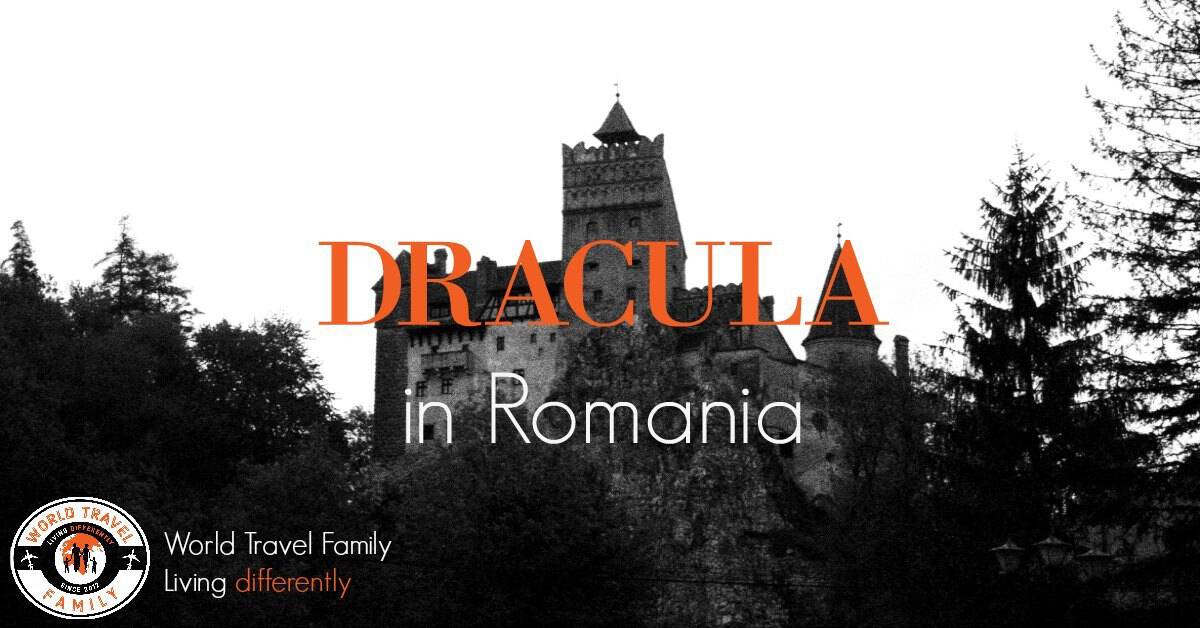
- Bran Castle: Marketed as “Dracula’s Castle,” though Vlad the Impaler likely never lived there.
- Poenari Fortress: The actual stronghold of Vlad Țepeș, perched high in the mountains.
- Sighișoara: A UNESCO-listed medieval town and Vlad’s birthplace.
- Borgo Pass: The mountain pass where Stoker’s Jonathan Harker entered Dracula’s domain.
These locations now draw vampire tourism, blending fact with fantasy for thrill-seekers and history buffs alike.
Hollywood’s Role in Reinventing Vampires
Stoker’s novel laid the foundation, but it was Hollywood that truly popularized the vampire image:
- 1922: Nosferatu portrayed Count Orlok as a grotesque, rat-like creature.
- 1931: Bela Lugosi’s Dracula brought elegance, accent, and cape to vampire fashion.
- 1992: Bram Stoker’s Dracula, starring Gary Oldman, added romance and gothic passion.
- 2000s: Twilight and The Vampire Diaries transformed vampires into teenage heartthrobs.
Each iteration reinvented the vampire myth, often moving farther from its dark roots and closer to entertainment and fantasy.
Vampire Beliefs in Modern Romanian Culture
While vampire tourism is big business, locals in Transylvania are generally not obsessed with Dracula. In fact, many see it as a Western invention. However, rural folklore still holds some lingering beliefs about the supernatural:
- Some elders still place garlic at windows or under pillows.
- “Strigoi” rituals are occasionally practiced in remote villages.
- Dracula is viewed more as a tourism mascot than a cultural hero.
Transylvania’s real culture includes Saxon villages, fortified churches, and rich folk traditions that go far beyond the vampire stereotype.
Vampires in Pop Culture: Beyond Transylvania
While Transylvania remains the vampire capital in public imagination, vampire stories have global appeal:
- Buffy the Vampire Slayer – A feminist take on fighting the undead.
- Interview with the Vampire – A deep psychological exploration of eternal life.
- Twilight – Sparkling vampires in high school settings.
- Castlevania (Netflix) – Gothic anime reimagining of Dracula and his enemies.
Vampires continue to evolve, reflecting the fears and fantasies of each generation. But their mythic roots in places like Transylvania keep them timeless.
Conclusion
The connection between vampires and Transylvania is both factual and fictional. While Vlad the Impaler inspired aspects of Dracula, and Transylvania’s ambiance fueled Stoker’s imagination, the blood-drinking undead creature is more myth than man.
Understanding the folklore, history, and pop culture that shaped this legend allows us to appreciate both the truth and the timeless appeal of the vampire. Whether you’re a traveler, a horror fan, or a history enthusiast, the legend of vampires in Transylvania offers a thrilling blend of reality and imagination.
FAQs
1. Was Dracula a real person?
Dracula was a fictional character based loosely on Vlad the Impaler, a real 15th-century prince known for his brutality, not vampirism.
2. Did Bram Stoker ever visit Transylvania?
No, Stoker never visited Transylvania. He relied on books, maps, and travel accounts to create the setting for Dracula.
3. Are vampire beliefs still common in Romania?
While not widespread, vampire-related customs and rituals occasionally persist in rural Romanian villages, especially concerning the strigoi.
4. Is Bran Castle really Dracula’s castle?
Not exactly. Bran Castle fits Stoker’s description, but there’s no confirmed link to Vlad the Impaler. It’s used mainly for tourism.
5. Why is Transylvania associated with vampires?
Thanks to Bram Stoker’s novel, Transylvania became the symbolic home of Dracula, and later adaptations cemented its reputation as a vampire hotspot.
Also read: Journey Backpack: 10 Reasons It’s a Must-Have for Your Next Trip
