

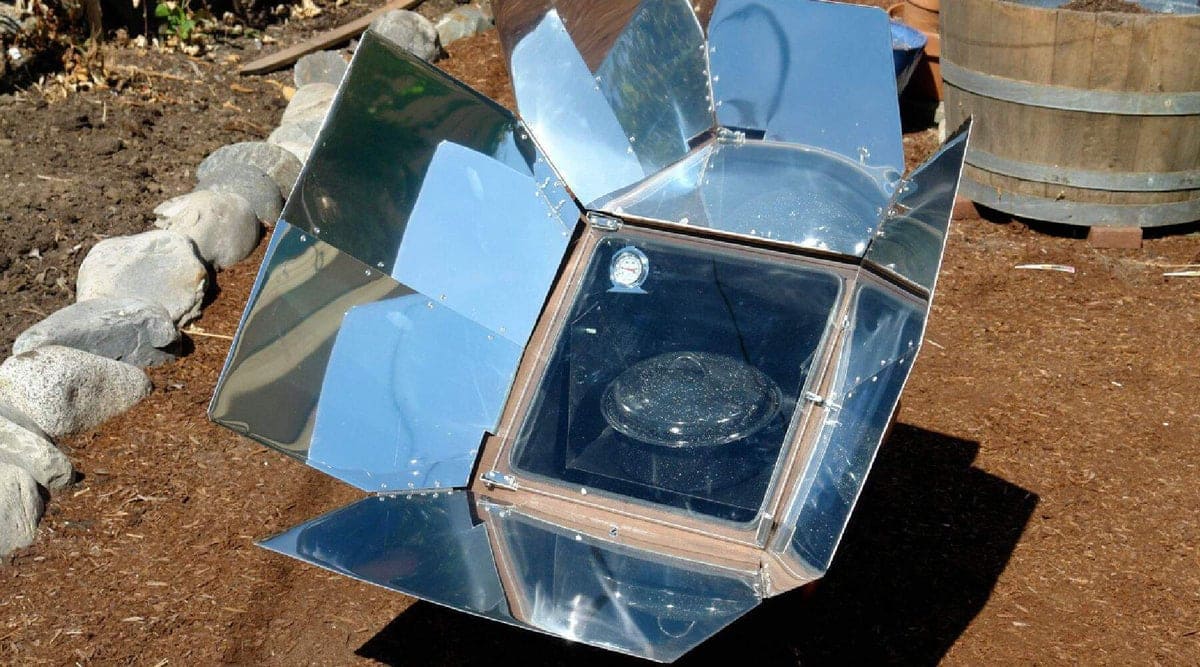
A solar cooker oven is a device that uses the power of the sun to cook food. Instead of relying on gas, charcoal, or electricity, a solar oven captures and traps sunlight, converting it into heat energy that can bake, boil, or roast meals.
In a world focused on renewable energy and eco-friendly living, solar cooking is gaining popularity. It’s cost-effective, environmentally sustainable, and surprisingly practical.
But how does a solar cooker oven work, and is it powerful enough to replace conventional cooking? Let’s dive into the science, benefits, and real-world applications of this fascinating technology.
How Does a Solar Cooker Oven Work?
A solar cooker oven uses three main principles:
- Concentration – Reflective surfaces (mirrors, aluminum foil, polished metal) concentrate sunlight onto a cooking pot or tray.
- Absorption – Dark-colored cooking vessels absorb sunlight and convert it into heat.
- Retention – Transparent glass covers and insulation trap heat, maintaining oven-like temperatures.
Temperatures in a solar cooker oven can reach 250–400°F (120–200°C), enough to bake bread, cook rice, roast vegetables, or even make pizza.
Types of Solar Cooker Ovens
Box Solar Cookers
- Insulated box with a transparent lid and reflective panels.
- Cook slowly (4–6 hours) but maintain steady heat.
- Ideal for stews, rice, and baked dishes.
Parabolic Solar Cookers
- Shaped like a satellite dish with reflective panels.
- Directs intense sunlight to a focal point.
- Can fry, boil, or grill food in minutes.
- Requires frequent adjustment for sun direction.
Panel Solar Cookers
- Simple design using flat reflective panels.
- Affordable and lightweight.
- Good for slow-cooking but less powerful than parabolic types.
Hybrid Solar Cookers
- Combine solar heat with backup electric or gas heating.
- Work during cloudy days or at night.
- Higher cost but more versatile.
Benefits of a Solar Cooker Oven
- Eco-Friendly – Uses renewable solar energy, reducing reliance on fossil fuels.
- Cost Savings – Zero fuel costs after purchase or DIY setup.
- Safe Cooking – No open flames, reducing fire hazards.
- Portability – Many solar cookers are lightweight, ideal for camping and outdoor use.
- Nutrient Retention – Gentle, slow cooking helps preserve vitamins and minerals in food.
Limitations of Solar Cooker Ovens
While effective, solar ovens have certain drawbacks:
- Weather Dependency – Works best on sunny days, less efficient in cloudy or rainy conditions.
- Longer Cooking Times – Box and panel types require patience.
- Frequent Adjustments – Parabolic cookers need realignment with the sun.
- Limited Capacity – Some models cook small portions only.
Popular Uses of Solar Cooker Ovens
- Outdoor Camping – Eco-friendly alternative to propane stoves.
- Emergency Preparedness – Useful during power outages or disasters.
- Developing Regions – Provides affordable cooking where electricity or fuel is scarce.
- Everyday Eco-Living – Reduces household carbon footprint.
Best Solar Cooker Ovens in 2024
GoSun Sport Solar Oven
- Parabolic design
- Reaches 550°F in 20–30 minutes
- Compact and portable
Haines 2.0 Solar Cooker
- Affordable panel design
- Easy assembly and transport
- Great for rice and stews
Solavore Sport Solar Oven
- Insulated box design
- Reaches 300°F
- Ideal for slow cooking and baking
GoSun Fusion Hybrid
- Works with both solar and electric power
- Perfect for cloudy days or nighttime cooking
DIY: Build Your Own Solar Cooker Oven
Creating a DIY solar cooker oven is simple and cost-effective.
Materials Needed:
- Cardboard box or wooden box
- Aluminum foil or reflective sheets
- Glass or plastic cover
- Black cooking pot with lid
- Insulating materials (newspaper, wool, or foam)
Steps:
- Line the inside of the box with aluminum foil to reflect sunlight.
- Place insulation around the walls to retain heat.
- Add a glass or plastic sheet as a lid to trap heat.
- Position the cooker to face direct sunlight.
- Place food in a dark pot inside and wait 2–5 hours, depending on the recipe.
A DIY solar cooker oven can reach 200–250°F, enough for basic meals.
Tips for Using a Solar Cooker Oven
- Always use dark pots with tight-fitting lids for better heat absorption.
- Stir food occasionally in long-cook recipes.
- Position your oven to follow the sun throughout the day.
- Start cooking before noon for best sunlight.
- Avoid opening the lid too often—it reduces heat retention.
Safety Considerations
Although solar cookers are safer than open flames, some precautions are necessary:
- Avoid looking directly at reflective panels.
- Handle pots with oven mitts—they get very hot.
- Keep children supervised when using parabolic cookers.
- Do not use it in extremely windy conditions where the oven might tip.
Future of Solar Cooking
As renewable energy solutions advance, solar cooking technology is becoming:
- More Efficient – Higher temperatures with better reflectors.
- More Portable – Compact designs for travel and outdoor use.
- More Accessible – Affordable models for developing nations.
- Hybrid-Friendly – Backup power options make them reliable year-round.
The solar cooker oven represents a future where sustainability and practicality go hand in hand.
Conclusion
A solar cooker oven is more than just a novelty—it’s a powerful tool for sustainable living. It allows you to:
- Cook meals with free solar energy.
- Reduce reliance on electricity and fossil fuels.
- Explore eco-friendly cooking whether camping, preparing for emergencies, or living off-grid.
While it has limitations in cloudy weather and slower cook times, the benefits far outweigh the drawbacks. Investing in a solar cooker oven means investing in a cleaner, greener future.
FAQs
1. How hot can a solar cooker oven get?
Most solar cookers reach 250–400°F (120–200°C), enough for baking and roasting.
2. Can a solar oven work on cloudy days?
Yes, but efficiency drops. Hybrid solar cookers or reflective boosters help.
3. How long does it take to cook food in a solar cooker oven?
Cooking times vary: 1–2 hours for rice, 3–4 hours for baked goods, depending on sun intensity.
4. Is solar cooking safe?
Yes, it’s safer than open flames, but hot surfaces require caution.
5. Can I build my own solar cooker oven at home?
Absolutely! A simple DIY version can be made with cardboard, foil, and glass.
Also read: Steering Wheel Porsche: Design, Features, and Technology Explained
