

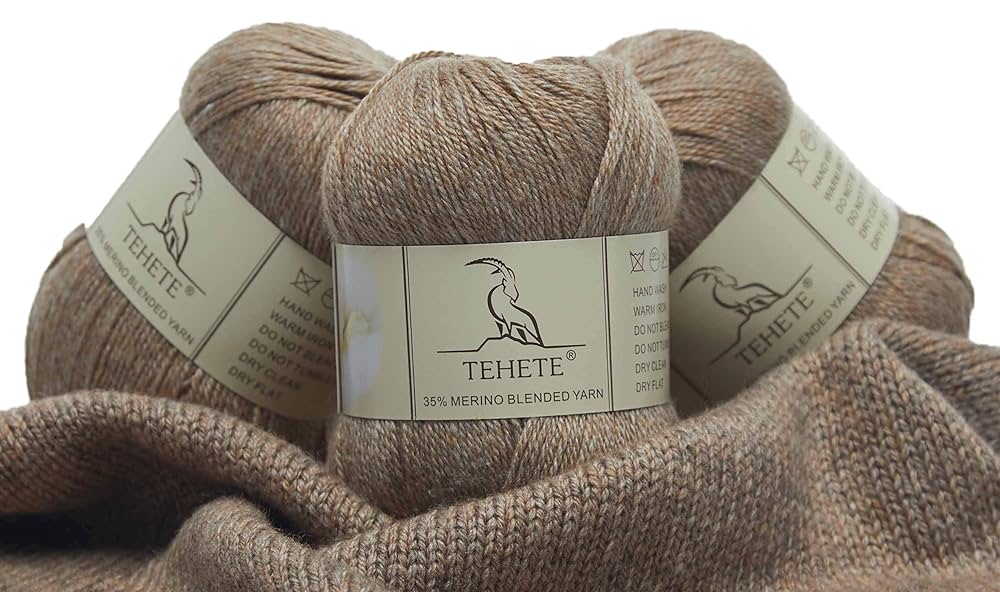
When winter rolls around or when preparing for outdoor adventures, one question often comes up: is merino wool warm enough to keep you comfortable? Merino wool has become a favorite in outdoor gear, hiking clothes, and even everyday fashion because of its unique ability to regulate temperature. But what makes it different from regular wool or synthetic fabrics?
In this detailed guide, we’ll explore everything you need to know about merino wool, from its warmth and breathability to its pros, cons, and best uses.
What Is Merino Wool?
Merino wool comes from the Merino sheep, a breed native to Spain but now mostly raised in Australia and New Zealand. Unlike traditional wool, merino fibers are much finer and softer, making them gentle on the skin.
This unique structure makes merino wool breathable, lightweight, and surprisingly warm without feeling heavy.
Is Merino Wool Warm Compared to Regular Wool?
So, is merino wool warm compared to traditional wool sweaters?
Yes—but with some differences:
- Regular wool: Thick, heavy, and often itchy, but warm.
- Merino wool: Lightweight, softer, and provides excellent insulation even when thin.
The warmth of merino wool doesn’t come from bulk—it comes from its fine fibers, which trap tiny air pockets that hold body heat while still allowing breathability.
How Does Merino Wool Keep You Warm?
Merino wool keeps you warm through three main mechanisms:
- Insulation – Fine fibers trap warm air close to your body.
- Moisture Control – It wicks sweat away, preventing damp chills.
- Temperature Regulation – Keeps you warm in cold weather but prevents overheating when it’s mild.
That’s why outdoor enthusiasts swear by merino clothing for hiking, skiing, and camping.
Is Merino Wool Warm Enough for Winter?
Yes, merino wool is warm enough for winter, especially when layered. Many base layers are made of merino wool because it provides warmth without bulk.
- Base layer: Merino long-sleeves and leggings keep warmth close.
- Mid layer: Merino sweaters or hoodies add insulation.
- Outer layer: A jacket on top completes the system.
In freezing conditions, merino wool works best when combined with other insulating layers.
Merino Wool for Hiking and Outdoor Activities
Hikers, climbers, and skiers often ask: is merino wool warm enough for extreme adventures? The answer is yes—when used properly.
- Cold hikes – Keeps you warm but wicks away sweat.
- Multi-day trips – Naturally odor-resistant, so you can wear it longer.
- Wet conditions – Retains warmth even when damp.
That’s why merino socks, gloves, and base layers are must-haves in outdoor gear.
Merino Wool in Everyday Fashion
Merino isn’t just for the outdoors.
Brands now use merino for:
- Sweaters
- T-shirts
- Scarves and hats
- Lightweight coats
Its versatility makes it stylish for work, travel, and casual wear. And yes—merino wool is warm enough to replace bulkier winter fabrics without sacrificing comfort.
Is Merino Wool Warm but Breathable?
One of the biggest advantages is balance. Unlike synthetic materials that trap heat, merino regulates body temperature:
- In cold weather: It insulates and holds warmth.
- In warm weather: It wicks moisture and cools the skin.
That means merino wool is warm, but not stuffy. You can wear it year-round, not just in winter.
Pros and Cons of Merino Wool
Pros
- Soft and non-itchy
- Lightweight but warm
- Moisture-wicking
- Odor-resistant
- Eco-friendly and natural
Cons
- More expensive than synthetic fabrics
- Requires gentle washing
- May wear out faster if not cared for
How to Care for Merino Wool Clothing
To keep your merino gear warm and long-lasting:
- Wash gently – Use cold water and mild detergent.
- Avoid heat – Air dry instead of using a dryer.
- Store properly – Fold, don’t hang, to prevent stretching.
Taking care of merino ensures it stays soft, durable, and insulating.
Is Merino Wool Worth the Investment?
Considering all its benefits, you may still wonder: is merino wool warm enough to justify the cost? Absolutely.
Merino may cost more upfront, but its durability, odor resistance, and versatility make it a smart long-term investment for anyone who values comfort and performance.
Conclusion
So, is merino wool warm? The answer is a definite yes—but it’s more than just warm. Merino is soft, breathable, moisture-wicking, and adaptable, making it one of the best fabrics for both outdoor adventures and everyday wear.
If you’re looking for clothing that balances warmth with comfort, merino wool is a top choice. From base layers to fashion sweaters, it proves that you don’t need heavy fabrics to stay cozy.
FAQs
1. Is merino wool warm in freezing temperatures?
Yes, merino wool is warm enough when layered, making it ideal for winter and sub-zero conditions.
2. Does merino wool keep you warm when wet?
Yes, merino retains warmth even when damp, unlike cotton.
3. Is merino wool warm enough for skiing or snowboarding?
Definitely—merino base layers are a staple for winter sports.
4. Is merino wool warmer than cotton?
Yes. Cotton loses heat when wet, while merino stays insulating.
5. Is merino wool warm but suitable for summer too?
Yes. Its breathability makes it comfortable year-round.
Also read: Thomas Jane Naked Scenes: Movies, Roles & Behind-the-Scenes Facts
