

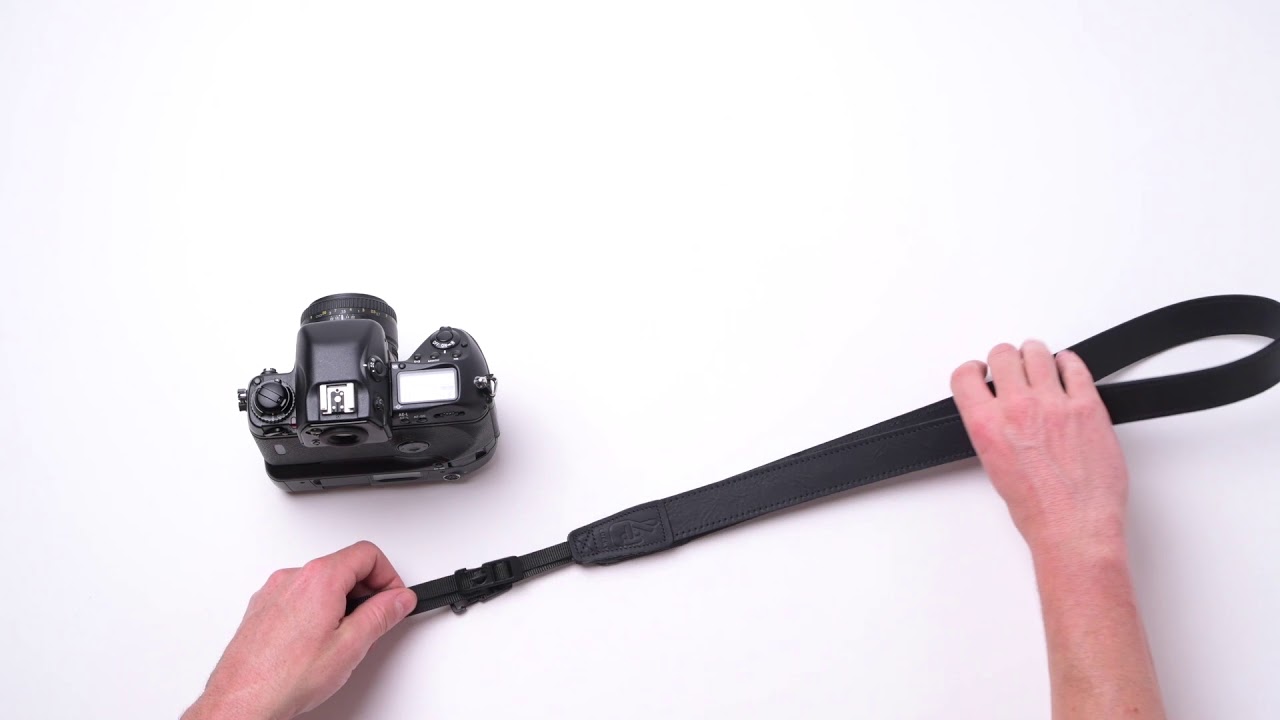
Whether you’re an aspiring photographer or just bought your first DSLR, one of the most overlooked steps is learning how to put on a camera strap correctly. While it may seem simple, doing it the right way ensures your camera stays secure around your neck, shoulder, or wrist. A poorly attached strap can lead to uncomfortable carrying—or worse—accidental drops.
In this beginner-friendly guide, we’ll walk you through the step-by-step process of attaching a camera strap, explain the different types of straps, and share tips to keep your camera gear safe and comfortable during every shoot.
Why You Should Always Use a Camera Strap
A camera strap isn’t just an accessory—it’s a critical piece of gear. Here’s why:
- Prevents accidental drops and damage
- Keeps your hands free when not actively shooting
- Reduces fatigue during long shoots
- Improves mobility, especially when traveling or hiking
No matter how confident you are with your grip, securing your camera with a strap gives peace of mind and protects your investment.
Types of Camera Straps
Before you learn how to attach one, it’s useful to understand the different types of camera straps available:
Neck Straps
Usually included with your camera, these are worn around the neck and are ideal for everyday photography.
Shoulder Straps
These go over one shoulder and are often padded for extra comfort. Some include quick-release buckles and are great for heavier cameras.
Wrist Straps
Ideal for compact cameras or quick street photography, wrist straps provide lightweight security and fast access.
Sling Straps
These allow the camera to hang at your side and swing up quickly when needed—great for event or sports photographers.
Each type of strap may have different attachment methods, but the general principles are similar.
What You’ll Need Before You Start
To put on a camera strap, you’ll need:
- Your camera body (DSLR or mirrorless)
- A compatible camera strap
- Clean workspace with a flat surface
- Optional: Toothpick or tweezers to help with threading
Most cameras have two strap lugs (metal loops on either side) where you’ll attach the strap.
Step-by-Step Guide: How to Put On a Neck or Shoulder Strap
Here’s the foolproof method for attaching a standard camera strap:
Step 1: Identify the Strap Ends
Most straps have a thinner nylon section and a thicker padded area. The thin end goes through the camera lug.
Step 2: Insert Strap Through Camera Lug
Slide the thin end of the strap through the camera’s strap lug from the bottom side, feeding it upward.
Step 3: Thread Through the Plastic Fastener
Take the same strap end and thread it through the plastic fastener or buckle on the strap.
If your strap has a secondary loop or stopper, thread it under or around that as needed.
Step 4: Pull Tight and Tuck
Tighten the strap by pulling it through the fastener until it’s snug. The tail should be tucked neatly back through the buckle to avoid flapping.
Step 5: Repeat on the Other Side
Attach the other end of the strap to the second lug using the same steps, ensuring both sides are even.
How to Attach a Wrist Strap
Wrist straps usually have a single loop and are easier to attach:
- Thread the thin loop through the camera’s lug.
- Pass the thick wrist strap through the loop.
- Pull the strap until it forms a tight knot.
- Test the strength by gently pulling on it.
Wrist straps are ideal for compact or action cameras and provide minimalist security.
Common Mistakes to Avoid
Even a simple task like this can go wrong. Avoid these common errors:
- Twisted straps – These reduce comfort and can wear down strap material.
- Incorrect threading – Improperly secured straps can slip or come loose.
- Loose buckles – Failing to tighten properly can result in your camera swinging or even falling.
- Ignoring wear and tear – Old, frayed straps can break unexpectedly.
Take your time during the setup, especially if this is your first time handling photography gear.
Tips for Comfort and Safety
A properly attached strap is only part of the equation—you also want to wear it comfortably and safely:
- Adjust the length so your camera rests at a comfortable height on your chest or hip.
- Use a padded strap for heavier cameras to prevent neck or shoulder strain.
- Make sure plastic buckles are tight and don’t slip during movement.
- For long sessions, consider cross-body sling straps that distribute weight more evenly.
How to Adjust the Strap for Length and Fit
Most camera straps come with adjustable sliders or buckles:
- Locate the adjustment buckle on each end of the strap.
- Slide the buckle to shorten or lengthen the strap evenly.
- Test the strap by wearing it and adjusting based on comfort.
- Make sure there’s no excess slack hanging after adjustment.
Proper fit prevents your camera from bouncing while walking or accidentally hitting objects.
Cleaning and Maintaining Your Camera Strap
Just like your camera, your strap needs some love too. Over time, it absorbs sweat, oils, and dirt. Here’s how to maintain it:
- Wipe down synthetic straps with a damp cloth.
- Hand-wash fabric straps with mild soap and warm water, then air dry.
- Check for fraying or worn areas every few months.
- Replace straps that show signs of weakness or tearing.
A clean, strong strap ensures both comfort and camera safety.
When to Replace Your Camera Strap
A quality strap can last for years, but it’s important to know when it’s time for a replacement. Signs include:
- Frayed or thinning fabric
- Cracked or bent plastic parts
- Rusty metal buckles
- Persistent slipping or loosening
Don’t wait for a failure to upgrade. Replacing your strap is inexpensive compared to repairing or replacing a damaged camera.
Conclusion
Learning how to put on a camera strap correctly may seem like a small detail, but it plays a big role in protecting your camera and making your photography experience more enjoyable. Whether you’re using a neck strap, shoulder sling, or wrist loop, properly securing your gear is the first step to shooting with confidence.
Now that you’ve mastered how to install and adjust your strap, you can carry your camera with ease—knowing it’s safe, secure, and ready to capture every moment.
FAQs
1. Can I use any strap with my camera?
Most modern straps are compatible with standard camera lugs, but it’s important to check the weight rating and size. Some heavier cameras may require sturdier straps.
2. Is it safe to use a third-party camera strap?
Yes, many third-party straps are high quality. Just make sure to read reviews, check compatibility, and ensure strong attachment hardware.
3. How do I know if my strap is secure enough?
After installation, pull gently on the strap and camera to test the hold. The strap should not slip or loosen at any point.
4. Should I use both a neck and wrist strap?
Not at the same time. Choose one that suits your style of photography. Neck straps are ideal for long sessions, while wrist straps are better for quick, casual shots.
5. Can I wash my camera strap?
Yes, but it depends on the material. Fabric and nylon straps can be hand-washed, while leather or specialty straps should be spot cleaned or wiped down carefully.
Also read: How to Avoid Common Mistakes When Hiring Movers in Atlanta
