

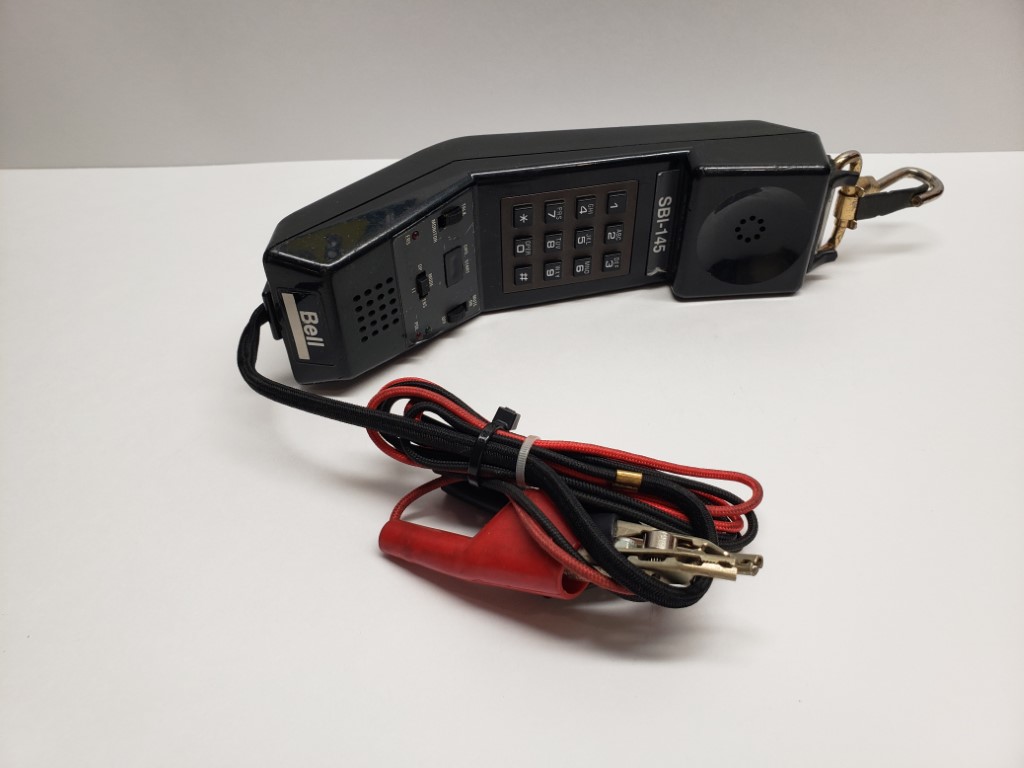
In the world of telecommunications, certain tools are absolutely essential. One of the most important is the butt set, sometimes called a lineman’s handset or test set. Despite the unusual name, a butt set is a professional tool used by technicians to test, monitor, and troubleshoot telephone lines.
If you work in networking, telecom, or field service, understanding what a butt set is—and how to use it—can save time and prevent costly errors.
What Is a Butt Set?
A butt set is a portable telephone handset designed for testing and diagnosing problems on telephone lines. It allows technicians to:
- Monitor a line (listen to calls or detect dial tones).
- Dial numbers to test line connectivity.
- Check for proper voltage and current on lines.
- Troubleshoot wiring problems in telephone networks.
These devices are called “butt sets” because they were often clipped onto the telephone line terminals located on the “butt end” of a telephone line connection.
Who Uses Butt Sets?
Primarily, telecom field service technicians use butt sets to test copper wire telephone lines. However, they are also useful in:
- Telephone companies for line installation and repair.
- Network cabling companies for troubleshooting.
- Private security and alarm companies to test phone-line–based systems.
- Educational/training settings to teach telecom basics.
Key Features of a Butt Set
When choosing a butt set, here are the most important features to consider:
Line Monitoring Modes
- Monitor Mode → Listen without interfering with the line.
- Talk Mode → Place and receive calls for testing.
- Tone/Pulse Dialing → Supports different dialing technologies.
Connectivity Options
- Traditional butt sets use alligator clips.
- Modern ones may include RJ11 or RJ45 connectors for digital systems.
Voltage & Polarity Testing
Helps ensure the line is properly wired and active.
Caller ID & Display
Some advanced models show caller ID, voltage levels, and line status on a digital screen.
Durability
Butt sets are designed for tough field conditions, so they often include:
- Rugged housings.
- Weather resistance.
- Drop protection.
Benefits of Using a Butt Set
- Quick Line Diagnosis → Instantly verify if a line is live.
- Improved Efficiency → Save time on installation and troubleshooting.
- Versatility → Works with analog phone lines, alarm circuits, and older telecom systems.
- Cost-Effective → Prevents wasted labor time by identifying issues quickly.
How to Use a Butt Set
Using a butt set is straightforward:
- Connect Clips → Attach the red and black clips to the telephone line.
- Select Mode → Choose monitor mode to check signals or talk mode to place a call.
- Check Voltage → Many models show line voltage to confirm connection.
- Dial for Testing → Use the keypad to test calling functionality.
- Troubleshoot Issues → Use polarity testing and line monitoring to detect wiring faults.
Safety Note: Always follow electrical safety guidelines when working with telecom wiring.
Types of Butt Sets
Analog Butt Sets
- Traditional models for POTS (Plain Old Telephone Service).
- Affordable and widely used.
Digital Butt Sets
- Compatible with ISDN and digital telecom systems.
- More expensive but necessary for modern infrastructure.
Advanced Multi-Function Butt Sets
- Include LCD displays, caller ID, and advanced testing features.
- Ideal for professional technicians.
Best Butt Sets on the Market
If you’re looking to buy, here are some popular and reliable models:
Fluke Networks TS100 Series
- Rugged design.
- Basic features for analog lines.
- Budget-friendly.
Fluke Networks TS52 Pro
- Digital LCD screen.
- Caller ID and line voltage display.
- Weather-resistant.
Tempo (Greenlee) 77HP Butt Set
- Affordable and reliable.
- Strong audio clarity.
- Popular among telecom techs.
Harris Dracon TS22A
- Industry standard.
- Advanced noise suppression.
- Durable build.
Buying Guide: How to Choose a Butt Set
When purchasing a butt set, consider:
- Type of Lines You Work On → Analog vs digital.
- Budget → Basic models vs professional-grade.
- Features Needed → Caller ID, voltage meter, etc.
- Durability → Field technicians should invest in rugged models.
Conclusion
A butt set is an essential tool for telecom professionals, providing quick and effective testing for telephone lines. Whether you’re a technician installing new systems or troubleshooting old ones, having the right butt set saves time, money, and frustration.
With options ranging from basic analog models to advanced digital sets, there’s a tool suited for every technician’s needs. By understanding features, functions, and best practices, you can choose the perfect butt set for reliable fieldwork.
FAQs
1. What is a butt set used for?
A butt set is used to test, monitor, and troubleshoot telephone lines by telecom technicians.
2. Can I use a butt set on digital phone lines?
Yes, but only if the butt set is designed for digital/ISDN systems.
3. Do butt sets still matter in the age of mobile phones?
Yes—many businesses, alarm systems, and rural areas still use wired landlines.
4. What’s the difference between a butt set and a regular phone?
A butt set has testing functions like voltage checks and monitoring modes, unlike a standard phone.
5. Which brand makes the best butt set?
Fluke Networks and Harris Dracon are considered industry leaders for professional-grade test sets.
Also read: Black and Mild Jazz Wood Tip: Flavor, Experience, and Buying Guide
