

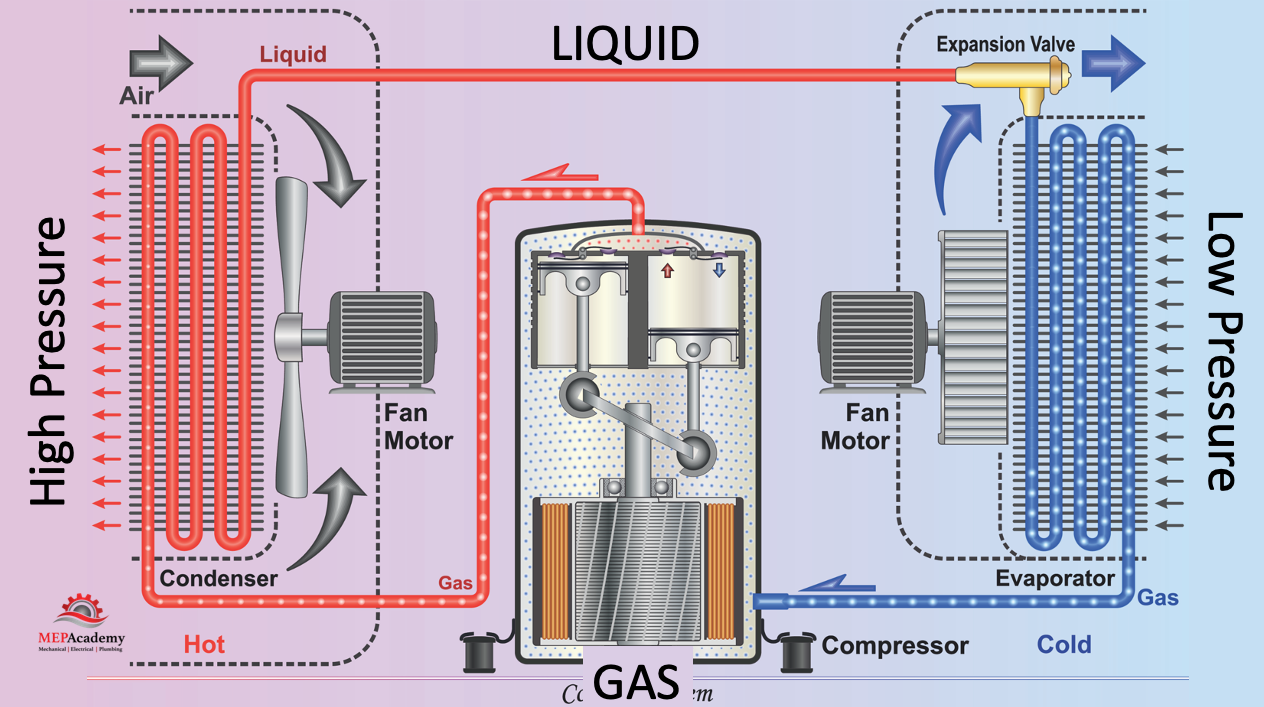
An alcohol evaporator plays a critical role in both industrial and automotive applications. Whether it’s preventing freeze-ups in air brake systems or assisting in laboratory solvent removal, alcohol evaporators serve multiple essential purposes. Understanding how this device functions and where it’s used can help you make informed choices in maintenance, design, or scientific work.
This comprehensive guide explains the alcohol evaporator, including its mechanics, uses, benefits, and best practices.
What Is an Alcohol Evaporator?
An alcohol evaporator is a device designed to convert alcohol from a liquid state into vapor for a specific purpose. In automotive systems, particularly in air brake setups for heavy-duty trucks, it prevents the buildup of ice within the brake lines. In labs and industry, it helps in controlled solvent evaporation processes.
Depending on the context, alcohol evaporators vary in size, configuration, and complexity, but the core principle remains the same—controlled vaporization of alcohol for functionality or safety.
How Does an Alcohol Evaporator Work?
In an air brake system, the alcohol evaporator is connected to the vehicle’s air system. It uses engine heat or an electric heating element to evaporate a measured amount of methyl alcohol (methanol) into the compressed air stream. This prevents moisture in the lines from freezing in cold climates.
In labs, alcohol evaporators work similarly but often use vacuum pressure and controlled heat to rapidly evaporate solvents like ethanol or methanol from samples without damaging sensitive compounds.
Key Components of an Alcohol Evaporator
Typical components of an alcohol evaporator include:
- Reservoir Tank – Holds the alcohol (usually methanol)
- Heating Element – Provides the energy needed to vaporize the alcohol
- Delivery Mechanism – Channels the vapor into the air or closed system
- Control Valve or Regulator – Ensures precise dosing and vapor flow
- Safety Valve – Prevents over-pressurization or spillage
Each component plays a vital role in ensuring safety, consistency, and efficiency.
Types of Alcohol Evaporators
There are various types of alcohol evaporators depending on usage:
- Air Brake Alcohol Evaporators: Used in vehicles to prevent air brake freeze-ups
- Rotary Evaporators (Rotovaps): Common in labs for distillation and solvent removal
- Industrial Solvent Evaporators: Used in chemical processing or alcohol recovery
- Portable Alcohol Vaporizers: Designed for field use in extremely cold conditions
Choosing the right type depends on the intended application and environment.
Applications of Alcohol Evaporators
A. Automotive Use:
- Common in diesel trucks, buses, and trailers
- Prevents frozen air lines that can cause brake failure
- Essential in cold climates
B. Laboratory Use:
- Used for chemical analysis and sample prep
- Helps remove alcohol from mixtures without high temperatures
- Common in pharmaceutical and biotech labs
C. Industrial Use:
- Used in solvent recovery processes
- Integrated in alcohol-based cleaning systems
- Found in paint, ink, and adhesive manufacturing
Benefits of Using an Alcohol Evaporator
Using an alcohol evaporator offers a range of practical advantages:
- Freeze Protection: Prevents dangerous freeze-ups in air brake lines
- Safety: Reduces the risk of moisture-related malfunctions
- Efficiency: Speeds up solvent removal in labs or production
- Preservation: Minimizes heat damage to delicate samples
- Operational Consistency: Provides reliable results in critical systems
Whether you’re in transportation or science, these benefits make alcohol evaporators essential.
Alcohol Used in Evaporators: Why Methanol?
Methanol (methyl alcohol) is the most commonly used alcohol in evaporators due to:
- Low freezing point (−97.6°C / −143.7°F)
- Volatility – Easily vaporized
- Cost-effectiveness – Cheaper than ethanol
- Non-residual – Leaves minimal residue post-evaporation
However, isopropanol or ethanol may be used in laboratory applications where methanol’s toxicity is a concern.
Maintenance Tips for Alcohol Evaporators
Maintaining your alcohol evaporator is critical for safety and performance:
- Regularly Refill Alcohol: Avoid dry tanks to prevent system damage
- Clean Delivery Lines: Especially in lab systems to avoid contamination
- Check for Leaks: Alcohol is flammable; always ensure airtight seals
- Inspect Heating Elements: Replace worn-out heaters before failure
- Replace Filters: If equipped, change filters per manufacturer guidelines
Proper maintenance increases lifespan and ensures consistent operation.
Safety Considerations
Despite their benefits, alcohol evaporators can pose risks if mishandled:
- Flammable Material: Alcohol vapors are combustible—store properly
- Toxicity: Methanol is highly toxic; avoid skin contact and inhalation
- Pressure Build-Up: Ensure safety valves function to avoid explosions
- Ventilation: Especially in enclosed lab environments
Always follow manufacturer safety guidelines and wear appropriate PPE (Personal Protective Equipment).
Future Trends and Innovations
As industries evolve, so do alcohol evaporators. Current trends include:
- Smart Monitoring Systems: IoT-enabled sensors track temperature and flow
- Eco-Friendly Designs: Reduced energy usage and safer alcohol alternatives
- Miniaturization: Smaller, more portable evaporators for mobile labs or fleets
- Automation: Fully automated lab systems for continuous solvent evaporation
Expect more intelligent and sustainable alcohol evaporator designs in the years ahead.
Conclusion
An alcohol evaporator is a simple yet powerful tool that enhances safety and efficiency across a wide range of sectors. Whether you’re driving a diesel truck through winter roads, working in a chemistry lab, or managing an industrial process, the role of alcohol evaporators cannot be overstated.
They not only protect sensitive systems from freezing or contamination but also streamline operations in a safe and cost-effective way. Investing in the right evaporator for your needs—and maintaining it properly—ensures long-term reliability and performance.
FAQs
1. What is the primary purpose of an alcohol evaporator in a vehicle?
Its main function is to vaporize alcohol (typically methanol) into the air brake system to prevent moisture from freezing in the brake lines during cold weather.
2. What type of alcohol is used in alcohol evaporators?
Methanol is most commonly used due to its low freezing point and easy vaporization. However, ethanol or isopropanol may be used in lab applications.
3. Can I use any alcohol in a lab evaporator system?
No. Always follow chemical compatibility guidelines. Methanol, ethanol, and isopropanol are common, but their volatility and toxicity vary.
4. Are alcohol evaporators safe?
Yes, if properly installed, used, and maintained. They include safety features like valves and regulators, but you must follow all manufacturer safety recommendations.
5. How often should I service or refill an alcohol evaporator?
Refilling schedules depend on usage. Heavy vehicle operators may need daily checks in cold climates. Lab systems should be checked between runs or daily.
Also read: The Ultimate Moving Checklist: What to Do 30, 15, and 1 Day Before
