

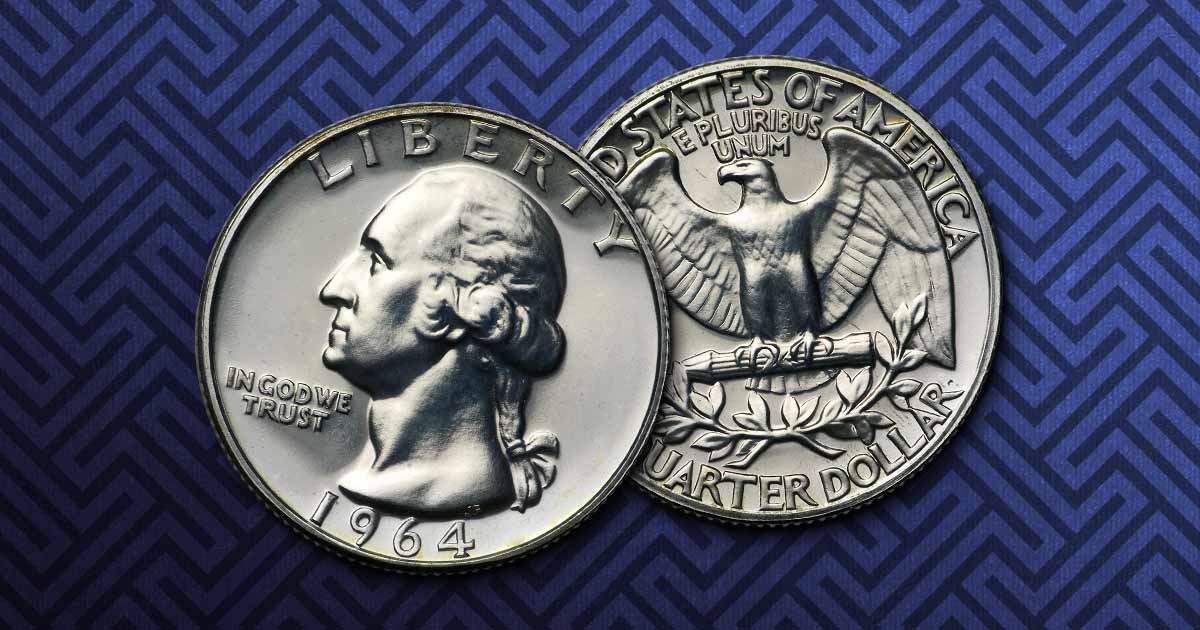
The 1964 quarter holds a special place in U.S. coinage history. Not only is it the last circulating quarter struck with 90% silver, but it also remains one of the most collected pieces among coin enthusiasts. If you’ve ever wondered about the 1964 quarters silver content, its melt value, historical significance, and collector appeal, this guide provides everything you need to know.
Historical Background of the 1964 Washington Quarter
The Washington quarter was first introduced in 1932 to honor the 200th anniversary of George Washington’s birth. By 1964, the design had become a mainstay in U.S. currency. However, this year marked the final issue containing 90% silver, as rising silver prices pushed the U.S. Mint to transition to a copper-nickel clad composition in 1965.
Why 1964 Quarters Are Special
Collectors and investors alike are drawn to the 1964 quarter for two main reasons:
- Silver Content: With 1964 quarters silver content at 90%, each coin has intrinsic bullion value.
- End of an Era: It represents the last year U.S. quarters were made with silver for everyday circulation.
1964 Quarters Silver Content Explained
Every 1964 Washington quarter was minted with:
- Composition: 90% silver, 10% copper
- Silver Weight: 0.1808 troy ounces (about 5.67 grams of silver)
- Total Weight: 6.25 grams
This means that even a heavily circulated 1964 quarter has melt value directly tied to the current price of silver.
Mint Marks and Where They Were Produced
The U.S. Mint struck the 1964 quarter in two primary locations:
- Philadelphia Mint (no mintmark)
- Denver Mint (marked with a “D” below the wreath on the reverse)
Both mints produced extremely high numbers due to silver hoarding concerns. In fact, 1964 saw over 1.2 billion quarters minted, making it the largest mintage of any quarter up to that point.
Value of a 1964 Quarter in Today’s Market
The value of a 1964 silver quarter depends on condition, silver prices, and collector demand:
- Melt Value: Generally between $4–6 (depending on silver spot price).
- Circulated Condition: $5–8.
- Uncirculated Condition: $10–20.
- Proof Versions: $15–40 depending on grade.
Rare high-grade mint state coins (MS-66 or better) and proof varieties can sell for much higher at auction.
Collectible Varieties and Errors
Certain varieties make the 1964 quarter especially desirable:
- Double Die Obverse (DDO): Shows noticeable doubling on “IN GOD WE TRUST” or the date.
- Proof Cameo and Deep Cameo: Special mirrored fields with frosted designs, sought after by collectors.
- Striking Errors: Off-center strikes, clipped planchets, and die cracks can command premium values.
Spotting Counterfeits and Fakes
Because of the coin’s silver content, 1964 quarters have occasionally been counterfeited.
Tips for spotting fakes include:
- Checking the edge for a solid silver color (clad coins will show a copper core).
- Weighing the coin (authentic weight is 6.25 grams).
- Listening for a “ring test” sound that silver produces.
How to Properly Store and Protect Your 1964 Quarters
To preserve both silver value and numismatic appeal:
- Store in acid-free holders or airtight capsules.
- Avoid PVC flips, which can damage coins over time.
- Keep in a cool, dry place to prevent toning or corrosion.
Investment Potential of 1964 Quarters
While common in circulated grades, 1964 quarters silver content ensures they always retain value as bullion.
Long-term, their collectible status as the last 90% silver quarters makes them attractive for:
- Silver stackers
- Beginner collectors
- Long-term numismatic investors
Their dual role as bullion and collectible coins means they are relatively low-risk investments.
Tips for Buying and Selling 1964 Silver Quarters
- Buy in Bulk: Rolls and bags of 1964 quarters are often sold at small premiums over melt.
- Check for Key Varieties: Always inspect coins for rare mint errors or proof issues.
- Sell Strategically: If silver prices rise, selling for bullion value can be profitable. If coins are high-grade, auctions may yield better returns.
Conclusion
The 1964 quarters silver content marks the end of an important chapter in U.S. coin history. As the last silver quarter intended for everyday circulation, it combines bullion value with collector appeal. Whether you’re stacking silver or building a Washington quarter set, the 1964 coin is a must-have. Its enduring value lies in its precious metal content, its historical significance, and its popularity among generations of coin enthusiasts.
FAQs
1. How much silver is in a 1964 quarter?
Each 1964 quarter contains 90% silver, equal to 0.1808 troy ounces of pure silver.
2. Are all 1964 quarters silver?
Yes. All quarters minted in 1964 were struck in 90% silver before the transition to copper-nickel clad in 1965.
3. How much is a 1964 silver quarter worth today?
Most are worth $4–8 in circulated condition, with higher premiums for uncirculated or rare varieties.
4. Where can I sell 1964 silver quarters?
You can sell to coin dealers, bullion shops, online marketplaces, or auction houses. For melt value, bullion dealers are best.
5. Are proof 1964 quarters valuable?
Yes. Proofs struck for collectors at the San Francisco Mint are worth $15–40+, depending on grade and cameo contrast.
Also read: Best Loudspeaker Brands for Crystal-Clear Sound Quality
