

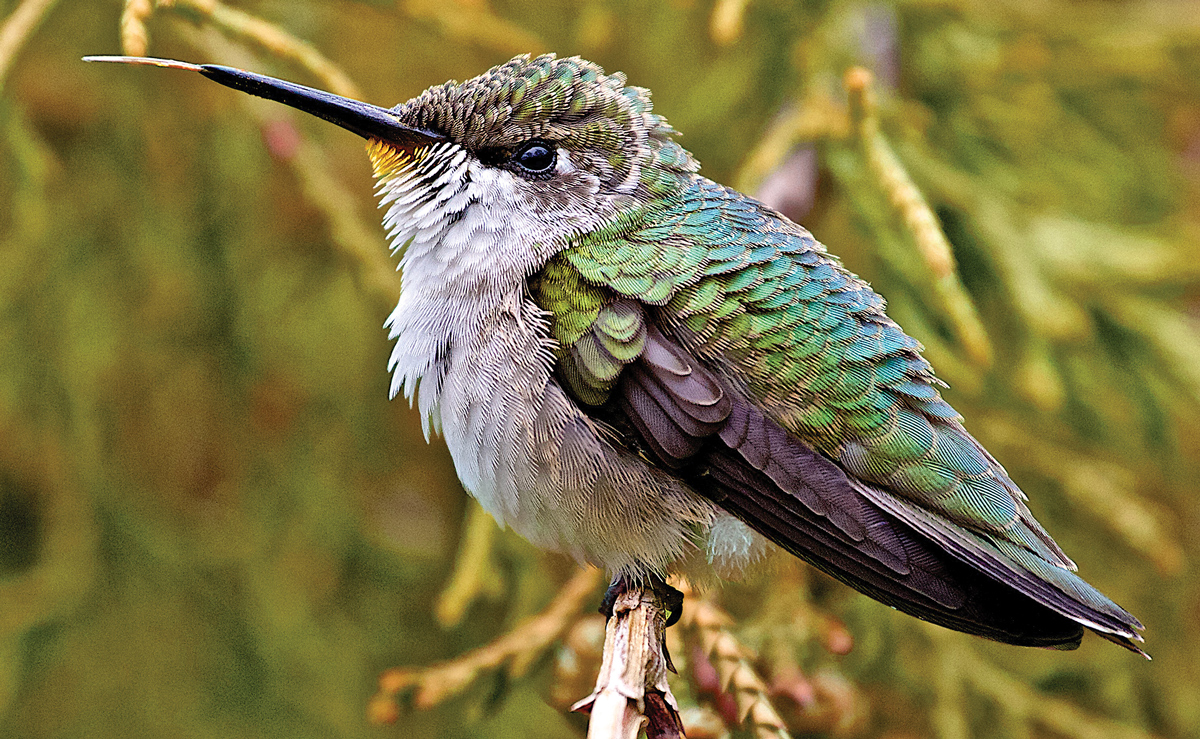
Hummingbirds are among nature’s most captivating creatures. Known for their dazzling colors, rapid wingbeats, and ability to hover mid-air, they’ve fascinated bird lovers and scientists alike. But one of their most extraordinary features often goes unnoticed—their tongue. If you’ve ever wondered, how long is a hummingbird’s tongue? you’re not alone. This article dives deep into the anatomy, function, and fascinating facts about this incredible feeding tool.
The Quick Answer: How Long Is a Hummingbird’s Tongue?
A hummingbird’s tongue can extend about two times the length of its beak. For most species, this translates to roughly 1.5 to 2 inches (3–5 cm) long. Considering that many hummingbirds are only 3 to 4 inches in total body length, that’s remarkable! Their tongue length is perfectly adapted to help them access nectar deep inside flowers.
Anatomy of a Hummingbird’s Tongue
Unlike a human tongue, the hummingbird’s tongue is tube-like and forked at the tip. Each side works like a straw, drawing nectar up through capillary action. The tongue is also lined with microscopic fringes, which expand and trap liquid as the bird feeds.
Why Do Hummingbirds Need Such a Long Tongue?
Flowers store nectar deep inside their blooms. If hummingbirds had short tongues, they wouldn’t be able to reach this sugary reward. Evolution has fine-tuned their tongue length to perfectly match their diet, ensuring they can gather enough energy to fuel their high metabolism.
The Feeding Process in Action
When a hummingbird hovers at a flower or feeder:
- It extends its tongue into the nectar source.
- The fringes on the tongue unfold, trapping the liquid.
- Capillary action and tongue retraction pull nectar back into the mouth.
- This entire process can happen up to 20 times per second!
Tongue vs. Beak: Key Differences
It’s easy to confuse a hummingbird’s long beak with its tongue, but they serve different purposes:
- Beak: Acts as a protective casing and guides the tongue into flowers.
- Tongue: The actual tool for collecting nectar.
The tongue extends well beyond the tip of the beak when feeding.
Adaptations for Survival
The length of a hummingbird’s tongue isn’t just for nectar. It also:
- Allows them to compete with insects like bees for the same food source.
- Enables them to feed on flowers with long, tubular shapes.
- Supports rapid feeding, which is crucial since hummingbirds must eat every 10–15 minutes to survive.
How Scientists Discovered the Truth About Their Tongues
For years, scientists believed hummingbird tongues worked like simple straws. But recent high-speed video studies revealed that the fringes and elastic properties of the tongue allow it to trap nectar in a far more complex and efficient way. This discovery reshaped our understanding of how hummingbirds interact with flowers.
Comparisons With Other Birds
Hummingbirds aren’t the only birds with impressive tongues:
- Woodpeckers have long tongues that wrap around their skulls to probe tree bark.
- Sunbirds also have brush-tipped tongues for nectar.
- But hummingbirds take the prize for the most specialized nectar-collecting tongue, thanks to its unique structure and speed.
Fun Facts About Hummingbird Tongues
- A hummingbird can lick nectar up to 13–20 times per second.
- Their tongues are almost transparent under a microscope.
- Despite their small size, hummingbirds can consume half their body weight in nectar daily, made possible by their long tongues.
- The tongue can recoil inside the skull when not in use, folding neatly inside the head.
Conservation and Importance of Understanding Their Tongue
Knowing how long a hummingbird’s tongue is helps scientists understand pollination. Hummingbirds are major pollinators in the Americas, transferring pollen as they feed. Protecting their habitats ensures the survival of countless plant species as well.
Conclusion
So, how long is a hummingbird’s tongue? Typically about twice the length of its beak, averaging 1.5–2 inches. More than just long, it’s a marvel of evolution—forked, fringed, and designed for speed. This specialized organ allows hummingbirds to sip nectar efficiently and support their fast-paced lives. Next time you see a hummingbird at your feeder, remember: hidden behind that tiny beak is one of nature’s most fascinating tools.
FAQs
1. How long is a hummingbird’s tongue compared to its body?
It’s about half the length of their body, making it disproportionately long for their size.
2. Do hummingbirds use their tongues for anything besides nectar?
Primarily for nectar, though they also use it when catching tiny
insects for protein.
3. Can you see a hummingbird’s tongue while it feeds?
Yes! If you watch closely at a feeder, you might see a thin, thread-like structure darting in and out.
4. How fast can a hummingbird’s tongue move?
Up to 20 licks per second, which allows them to feed quickly and efficiently.
5. Why do scientists study hummingbird tongues?
Their tongue structure provides insights into pollination, evolutionary biology, and biomechanics.
Also read: Cianosis en vacas: causas, síntomas y tratamiento
