

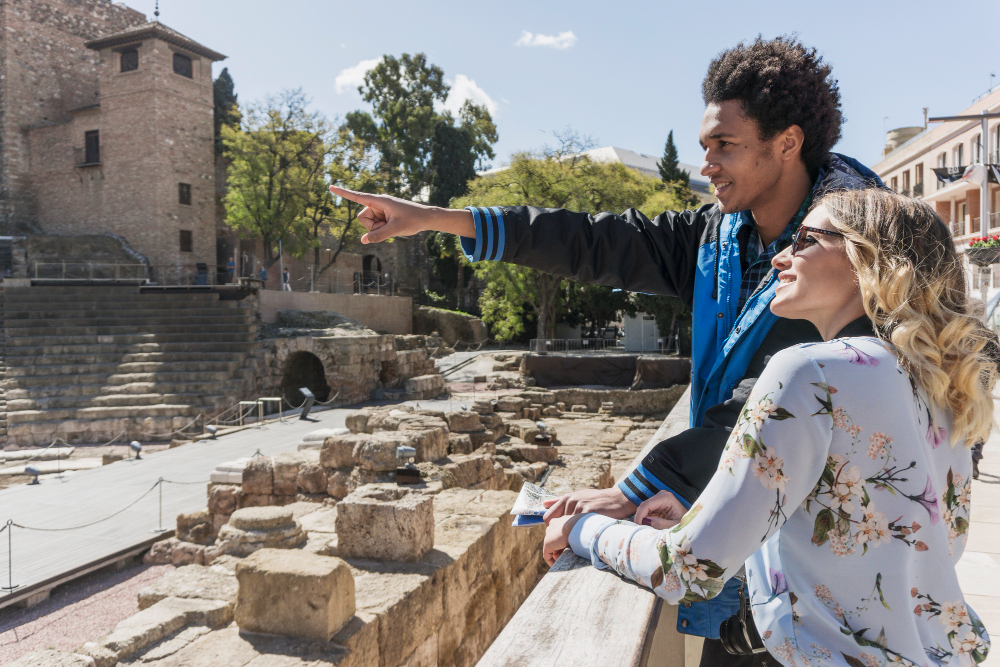
Albania, often overlooked compared to its European neighbors, Holiday to Albania is a country brimming with history, culture, and charm. Nestled between the Adriatic and Ionian Seas, Albania has been shaped by civilizations ranging from the Greeks and Romans to the Ottomans. This rich heritage is most evident in its historic cities—places where cobblestone streets, medieval castles, and Ottoman bazaars coexist with modern life. If you’re planning a holiday to Albania, here are 10 historic cities you must explore for a journey back in time.
1. Tirana – The Colorful Capital with a Historic Heart
Though modern and bustling, Tirana, Albania’s capital, has a deep historical core. Skanderbeg Square, the city’s central hub, is home to the Et’hem Bey Mosque, dating back to the 18th century, and the National History Museum, which houses relics from Albania’s ancient past. The influence of Ottoman, Fascist, and Communist eras is visible in the city’s architecture. Strolling through the Blloku neighborhood also offers a glimpse of Tirana’s transformation from a closed-off Communist district to a lively hub.
2. Berat – The “City of a Thousand Windows”
Berat, a UNESCO World Heritage Site, is one of Albania’s most iconic historic cities. Its nickname, “City of a Thousand Windows,” comes from the rows of Ottoman-era houses that cascade down the hillsides. At its heart lies Berat Castle, a fortress that has stood since Roman times. Within its walls, visitors can find Byzantine churches, Ottoman mosques, and charming cobbled lanes. The Onufri Museum, located in a church within the castle, showcases beautiful Orthodox icons.
3. Gjirokastër – The Stone City
Another UNESCO-listed gem, Gjirokastër is often called the “Stone City” due to its unique stone houses and slate rooftops. Its centerpiece is the massive Gjirokastër Castle, which overlooks the valley and houses a museum, as well as old military equipment. Walking through the city feels like stepping back into the Ottoman era, with narrow alleys, bazaar streets, and traditional stone architecture. It’s also the birthplace of renowned Albanian author Ismail Kadare, adding literary significance to its historic charm.
4. Shkodër – A Gateway to History and Culture
One of the oldest cities in Albania, Shkodër has been inhabited since the 4th century BC. Its crowning jewel is the Rozafa Castle, a fortress with legends that date back centuries. The city also features Marubi National Museum of Photography, highlighting Albania’s cultural history. With its location near Lake Shkodër and the Albanian Alps, Shkodër blends history with natural beauty, making it a must-visit destination for travelers.
5. Durrës – Ancient Port City
Founded by the Greeks in the 7th century BC, Durrës is one of the oldest cities in Albania. It was a vital port during Roman times, and today, it still serves as an important gateway to the Adriatic. The highlight is the Durrës Amphitheater, one of the largest in the Balkans, which once hosted gladiatorial games. The Byzantine city walls and Venetian Tower add to its historical charm, while its beaches provide a relaxing balance to sightseeing.
6. Apollonia – The Ancient Greek City
Located near Fier, Apollonia is an ancient Greek city founded in the 6th century BC. Once an important cultural and trade hub, it was also a place where Roman aristocrats studied philosophy and oratory. Today, Apollonia is an archaeological park featuring ruins of temples, theaters, and colonnades. The Monastery of St. Mary, situated nearby, adds a spiritual dimension to the historical site. For those fascinated by antiquity, Apollonia is a must-see stop.
7. Krujë – The City of Skanderbeg
Perched on a mountainside, Krujë is forever tied to Albania’s national hero, Skanderbeg, who led resistance against the Ottoman Empire in the 15th century. The Krujë Castle houses the Skanderbeg Museum, which tells the story of his heroic battles. The old bazaar of Krujë is also one of the best places in Albania to buy traditional crafts and souvenirs. Its strategic location and historic importance make Krujë a city every traveler should experience.
8. Vlora – Where Independence Was Declared
Vlora holds a special place in Albanian history as the city where independence from the Ottoman Empire was declared in 1912. Visitors can see the Independence Monument and the Independence Museum, both commemorating this historic event. Vlora is also rich in natural beauty, being located along the stunning Albanian Riviera. The mix of history and seaside relaxation makes Vlora a perfect addition to your holiday itinerary.
9. Butrint – The Ancient Ruins by the Sea
Butrint is an ancient city and UNESCO World Heritage Site located near Saranda. Once a Greek colony, then a Roman city, and later a Byzantine and Venetian settlement, Butrint encapsulates centuries of history in one site. Its well-preserved ruins include an amphitheater, a basilica, Roman baths, and city walls. Surrounded by water and lush greenery, Butrint offers a magical combination of archaeology and nature.
10. Korçë – The Cultural Capital of the South
Known as the cultural heart of southern Albania, Korçë has a rich history influenced by Orthodox Christianity and Albanian patriotism. The city is home to the National Museum of Medieval Art, which displays an incredible collection of Byzantine icons. The first Albanian school, established in 1887, is also located here, marking Korçë’s role in Albania’s educational history. With its lively bazaars, cobblestone streets, and café culture, Korçë provides both history and charm.
Conclusion
A holiday to Albania offers much more than beaches and scenic mountains—it’s a journey through centuries of history, culture, and resilience. From the colorful streets of Tirana to the ancient ruins of Butrint and the stone architecture of Gjirokastër, each city tells a unique story. Exploring these 10 historic cities not only enriches your travel experience but also deepens your appreciation for Albania’s rich and diverse heritage.
FAQs About Holiday to Albania
1. Is Albania safe for tourists?
Yes, Albania is considered a safe country for travelers. Its warm hospitality and welcoming locals make it an enjoyable destination.
2. What’s the best time to visit Albania?
The best time to visit is between May and October, with spring and early autumn offering pleasant weather for exploring historic cities.
3. How many days should I spend in Albania?
A 7-10 day trip is ideal for visiting several historic cities along with the coast and countryside.
4. Do I need a visa for Albania?
Albania allows visa-free entry for many nationalities, including EU citizens, Americans, and Canadians. Always check the latest entry requirements before traveling.
5. Which city is best to start a holiday in Albania?
Most travelers begin in Tirana, the capital, as it’s well connected by international flights and provides easy access to other parts of the country.
Also read : 30 Liter Hiking Backpack: 8 Budget-Friendly Picks for Beginners
