

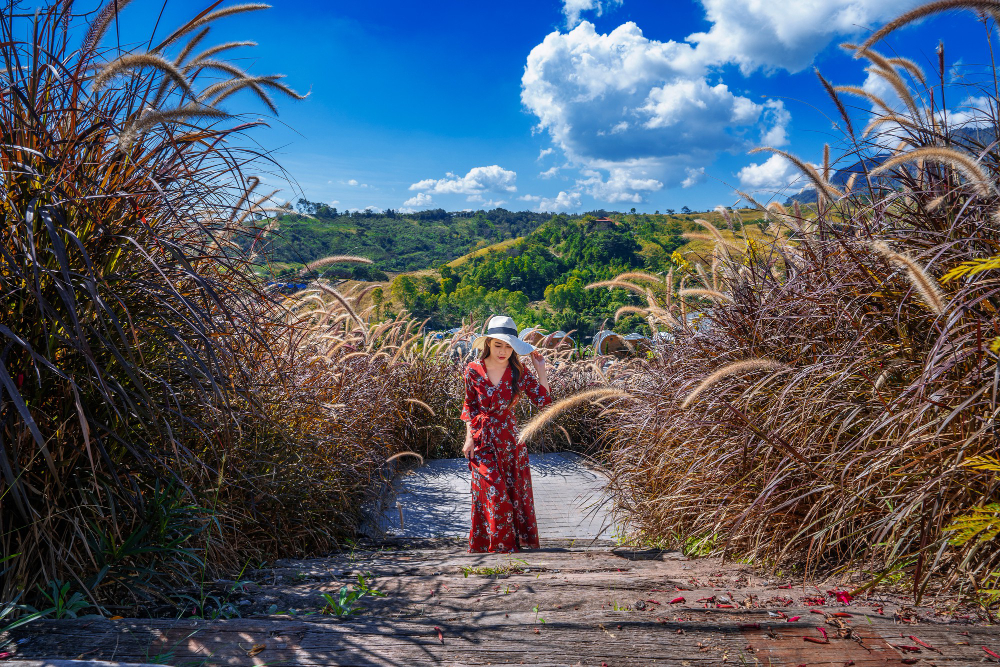
Exploring the most exotic places on Earth takes you beyond typical tourist trails to destinations that redefine adventure, beauty, and culture. These remote paradises may require extra effort to reach, but their rewards—pristine landscapes, unique wildlife, and authentic local traditions—make them worth every mile. Here are five extraordinary spots that prove distance is no barrier to wonder.
1. Socotra Island, Yemen – The Alien-Like Oasis
Socotra Island, often described as the most alien-looking place on Earth, is famous for its rare Dragon Blood Trees and unique biodiversity found nowhere else. With untouched beaches, surreal limestone plateaus, and vibrant marine life, the island offers travelers a once-in-a-lifetime glimpse into nature’s creativity.
2. Raja Ampat Islands, Indonesia – The Underwater Eden
The Raja Ampat Islands in Indonesia are a diver’s paradise, home to over 1,500 small islands surrounded by some of the world’s richest coral reefs. Known for vibrant marine biodiversity, traditional overwater bungalows, and pristine lagoons, this archipelago provides a perfect mix of adventure and tranquility.
3. Faroe Islands, Denmark – Europe’s Hidden Treasure
Remote and dramatic, the Faroe Islands boast volcanic cliffs, sweeping fjords, and quaint turf-roofed villages. With natural wonders like Múlafossur Waterfall, incredible hiking trails, and abundant seabirds, these islands combine rugged beauty with a deep sense of peace, making them one of Europe’s most exotic escapes.
4. Bhutan – The Last Shangri-La
Nestled in the Himalayas, Bhutan is a nation that values happiness over economic growth and welcomes visitors with pristine nature and rich culture. From the iconic Tiger’s Nest Monastery perched on a cliff to serene valleys and mountain treks, Bhutan offers both breathtaking scenery and spiritual renewal.
5. Easter Island, Chile – Mysteries in the Pacific
Easter Island, or Rapa Nui, is one of the most isolated places on Earth, renowned for its enigmatic moai statues carved by ancient Polynesians. Beyond its archaeological wonders, the island enchants visitors with volcanic craters, lava caves, and stunning beaches like Anakena, offering history and natural beauty in equal measure.
6. Why Remote Paradises Are Worth the Journey
Reaching exotic destinations often involves long flights, boat rides, or challenging hikes, but the reward is access to unspoiled beauty, cultural authenticity, and peaceful solitude that mainstream destinations rarely provide, making the effort part of the adventure.
7. How to Prepare for Traveling to Remote Destinations
Preparation is key for journeys to exotic places—research visa requirements, pack essential supplies, plan for limited connectivity, respect local customs, and keep flexibility in mind to adapt to unpredictable transport or weather.
8. Challenges of Visiting Remote Paradises
Visiting remote destinations often comes with challenges such as high travel costs, limited facilities, accessibility issues, and language barriers, but these obstacles add to the sense of achievement and make the experience even more memorable.
9. Sustainable Travel in Exotic Places
Remote paradises are fragile ecosystems, so travelers should practice responsible tourism by minimizing waste, avoiding single-use plastics, supporting local communities, respecting wildlife, and preserving natural habitats for future generations.
10. Tips for Making the Most of Your Journey
To maximize your adventure, consider traveling off-season for fewer crowds, hiring local guides for authentic insights, balancing activities with relaxation, capturing memories without distraction, and keeping an open mind to embrace unexpected moments.
Conclusion
The most exotic places on Earth—whether it’s the alien landscapes of Socotra, the underwater wonders of Raja Ampat, the wild cliffs of the Faroe Islands, the spiritual calm of Bhutan, or the mysterious moai of Easter Island—offer unparalleled beauty and unforgettable experiences. These remote paradises remind us that sometimes the hardest journeys lead to the most rewarding destinations.
FAQs
1. Which exotic place is the hardest to reach?
Socotra Island is among the most challenging due to limited flights and accessibility, but its untouched landscapes make the effort worthwhile.
2. What’s the best time to visit Bhutan?
The best times are spring (March–May) and autumn (September–November), when the weather is mild and festivals are celebrated.
3. Is diving experience necessary for Raja Ampat?
While advanced divers benefit most, beginners can still enjoy snorkeling and shallow dives with incredible marine life.
4. Can tourists easily visit Easter Island?
Yes, flights operate from Santiago, Chile, but it’s advisable to book in advance since availability is limited.
5. Are the Faroe Islands expensive to visit?
Yes, due to remoteness, costs for accommodation and food are higher than average, but the stunning scenery makes it worth the spend.
Also read : Jeff Cook Net Worth: A Complete Look at the Alabama Co-Founder’s Wealth and Legacy
