

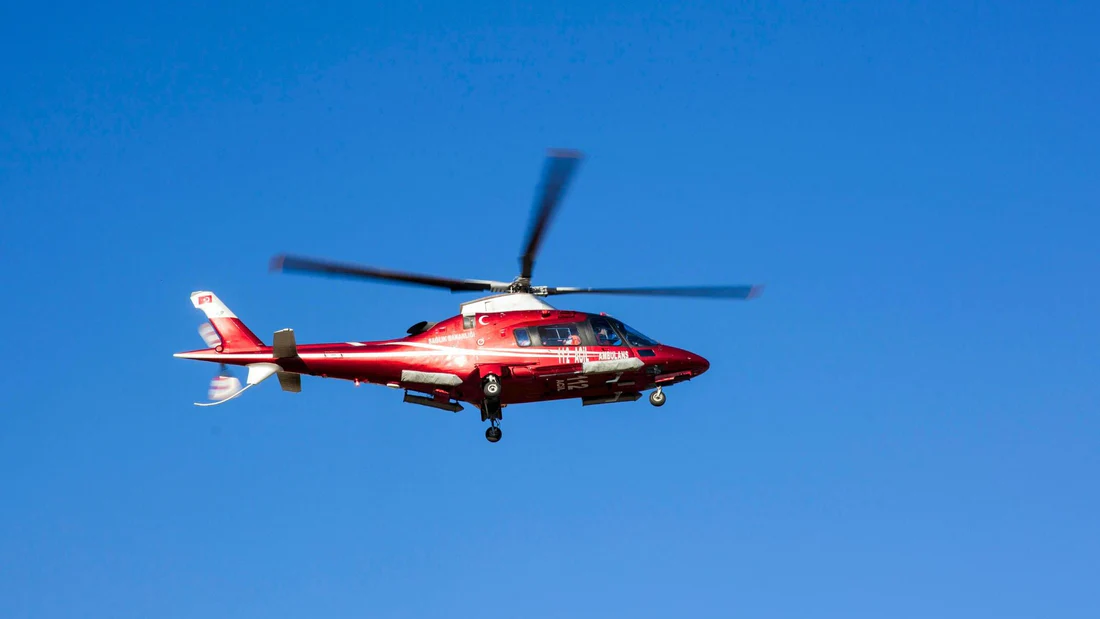
The term heli speed refers to the flight velocity of helicopters, usually measured in knots, miles per hour (mph), or kilometers per hour (km/h). While helicopters are not as fast as fixed-wing airplanes, their ability to hover, take off vertically, and maneuver in tight spaces makes them uniquely valuable in aviation.
But how fast can helicopters really go? What factors limit heli speed, and which models hold the record as the fastest in the world?
This guide explores everything you need to know about heli speed, from averages to world records and the future of helicopter technology.
Average Heli Speed
Civilian Helicopters
Most civilian helicopters used for transport, medical evacuation, and private travel cruise at:
- 120–160 mph (190–260 km/h)
Military Helicopters
Designed for combat and rapid deployment, military helicopters typically reach:
- 160–200 mph (260–320 km/h)
High-Speed Experimental Helicopters
Some prototypes and advanced designs exceed:
- 250–300 mph (400–480 km/h)
Factors That Affect Heli Speed
Several variables influence how fast a helicopter can fly:
- Rotor Design – The shape and size of the rotor blades impact aerodynamics.
- Engine Power – Turboshaft engines provide more thrust than piston engines.
- Weight – Payload, fuel, and passenger load affect cruising speeds.
- Altitude & Weather – Higher altitudes and wind resistance reduce speed efficiency.
- Aerodynamic Drag – Streamlined bodies reduce drag and allow higher speeds.
Fastest Helicopters in the World
When discussing heli speed records, a few helicopters stand out:
Sikorsky X2
- Top Speed: 299 mph (481 km/h)
- Features: Coaxial rotors and pusher propeller.
Eurocopter X3
- Top Speed: 293 mph (472 km/h)
- Hybrid design with wings and pusher propellers.
Bell AH-1Z Viper (Military)
- Top Speed: 222 mph (357 km/h)
CH-47F Chinook
- Top Speed: 196 mph (315 km/h)
- Known for heavy lifting and troop transport.
Westland Lynx (Historic Record Holder)
- Top Speed: 249 mph (400 km/h)
- Once held the world record for the fastest conventional helicopter.
Civilian vs. Military Heli Speed
- Civilian Helicopters: Focus on stability, comfort, and efficiency. Examples: Robinson R44 (~130 mph), Airbus H125 (~160 mph).
- Military Helicopters: Prioritize speed, armor, and tactical agility. Examples: Apache AH-64 (~182 mph), Black Hawk (~183 mph).
Heli Speed vs. Airplanes
- Helicopters: Average 150–200 mph.
- Commercial Jets: Average 500–600 mph.
- Private Planes (Propeller): Average 200–250 mph.
Verdict: Airplanes are faster, but helicopters excel at versatility, hovering, and landing in confined spaces.
Heli Speed vs. Drones
- Consumer Drones: ~30–60 mph.
- Military Drones: ~200–300 mph.
- Helicopters: 150–200 mph average.
Verdict: Helicopters generally outpace consumer drones but match speeds with high-performance military drones.
Safety and Heli Speed
Flying at higher speeds increases risks, including:
- Rotor Stress – Faster speeds can strain rotor blades.
- Control Sensitivity – Pilots must manage increased aerodynamic instability.
- Fuel Consumption – Higher speed drains fuel faster, reducing range.
Manufacturers balance speed and safety by designing rotors and fuselages that optimize performance without compromising stability.
Technological Advances Increasing Heli Speed
Future advancements are pushing heli speed boundaries:
- Coaxial Rotors – Reduce drag, improve lift.
- Pusher Propellers – Add extra thrust, allowing faster forward speeds.
- Hybrid Helicopter-Plane Designs – Eurocopter X3 demonstrates potential for combined lift and fixed-wing speed.
- Electric Propulsion – Experimental electric helicopters may provide efficiency boosts.
Why Heli Speed Matters
- Military Operations – Faster helicopters improve response times in combat.
- Search and Rescue (SAR) – Speed is critical for life-saving missions.
- Medical Evacuations (Medevac) – Reducing patient transport time saves lives.
- VIP and Business Travel – Time efficiency is a luxury demand.
- Tourism & Transport – Faster heli-tours and city-to-city connections.
Maximizing Heli Speed: Pilot Techniques
- Optimal Altitude – Flying at moderate altitudes maximizes fuel efficiency.
- Reduced Load – Carrying lighter payloads increases cruising speed.
- Weather Awareness – Tailwinds can boost heli speed significantly.
- Maintenance – Well-maintained rotors and engines maintain top performance.
Limitations of Heli Speed
Despite advances, helicopters face inherent speed limits due to:
- Retreating Blade Stall – At high speeds, one rotor blade loses lift, causing instability.
- Compressibility Effect – Rotor tips nearing supersonic speeds reduce efficiency.
- Drag and Weight – Aerodynamic constraints limit performance compared to jets.
Conclusion
Heli speed varies based on design, purpose, and technology:
- Civilian helicopters average 120–160 mph.
- Military helicopters average 160–200 mph.
- Experimental designs exceed 290 mph.
While helicopters will never rival jets for speed, their unique combination of agility, hovering, and vertical lift makes them indispensable for missions where versatility is more important than velocity.
In the future, hybrid designs and propulsion technology promise to push heli speed even further, making helicopters faster, safer, and more efficient.
FAQs
1. What is the fastest helicopter in the world?
The Sikorsky X2 holds the record with a speed of 299 mph (481 km/h).
2. How fast can a military helicopter fly?
Most military helicopters cruise between 160–200 mph, with some reaching 220+ mph.
3. Are helicopters faster than airplanes?
No, airplanes are significantly faster, averaging 500–600 mph for commercial jets.
4. Why can’t helicopters go as fast as jets?
Helicopter rotor aerodynamics cause limits like retreating blade stall, preventing higher speeds.
5. What factors increase heli speed?
Rotor design, engine power, lighter weight, and aerodynamic fuselage shape all improve heli speed.
Also read: Solar Cooker Oven: The Future of Sustainable Cooking
