

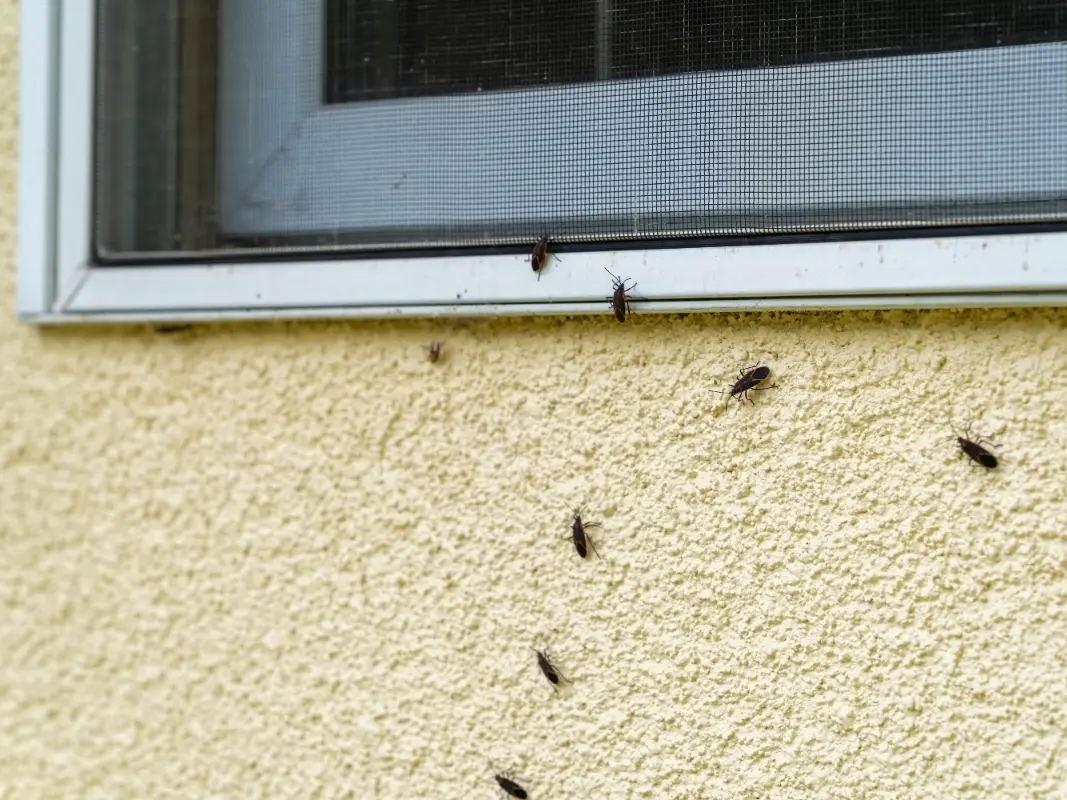
Finding bugs in litter box is unsettling for cat owners. Not only is it unpleasant to see insects crawling where your cat does their business, but it could also indicate hygiene issues or other underlying problems in your home.
The good news? With the right knowledge, you can identify the type of bugs, eliminate them effectively, and prevent them from coming back.
In this guide, we’ll cover:
- Common bugs that invade litter boxes
- Why bugs are attracted to litter
- How to safely remove them
- Prevention strategies for a bug-free litter area
Why Are There Bugs in Litter Box?
Bugs are drawn to litter boxes for three main reasons:
- Moisture – Some insects seek damp environments, especially if the litter is not changed frequently.
- Odor – The smell of cat waste can attract pests like flies.
- Organic Matter – Even clumping litter can hold small amounts of organic debris that bugs feed on.
Common Bugs Found in Litter Boxes
Fungus Gnats
- Small, black, fly-like insects.
- Attracted to moisture in litter and organic material.
Fruit Flies
- Often it appears if the litter box is near a kitchen or food waste.
- Drawn to odor and waste particles.
Cockroaches
- Thrive in warm, moist areas.
- Can spread bacteria.
Ants
- Sometimes attracted to certain types of litter containing plant-based materials.
Mites
- Tiny, hard-to-see pests that can irritate your cat’s skin.
Health Risks of Bugs in Litter Box
- For Cats – Some bugs can carry parasites or cause skin irritation.
- For Humans – Risk of bacteria spread, unpleasant odors, and possible allergic reactions.
- For Home Hygiene – Infestations can spread beyond the litter area.
How to Get Rid of Bugs in Litter Box
Step 1: Identify the Bug Type
Understanding the pest helps you choose the right removal method.
Step 2: Clean Thoroughly
- Remove all litter.
- Wash the box with hot, soapy water.
- Disinfect with a pet-safe cleaner.
Step 3: Replace Litter Regularly
- Scoop daily.
- Change litter completely at least once a week.
Step 4: Eliminate Moisture
- Use a low-moisture, clumping litter.
- Keep the litter box in a dry, ventilated space.
Step 5: Use Natural Repellents
- Food-grade diatomaceous earth around the box can deter crawling insects.
- A few drops of cat-safe essential oils (like cedarwood) nearby can help — but avoid direct contact with litter.
Preventing Bugs in the Litter Box
Maintain a Cleaning Schedule
- Daily scooping removes the waste that attracts pests.
Choose the Right Litter
- Clumping clay and silica gel litters absorb moisture better than some plant-based options.
Keep the Area Dry
- Avoid placing litter boxes in damp basements or humid bathrooms.
Seal Food and Trash
- Prevent cross-attraction from other food or waste sources in the home.
Check for Entry Points
- Seal cracks, gaps, and crevices where insects could be entering.
Special Considerations for Multi-Cat Homes
Multiple cats mean more waste, which increases odor and moisture levels. If you have several cats:
- Provide one litter box per cat, plus one extra.
- Clean and rotate boxes more frequently.
Pet-Safe Bug Control Methods
Avoid harsh chemical sprays near litter boxes, as these can harm your cat. Instead:
- Use vinegar-water solutions for cleaning.
- Consider sticky traps for flying bugs (placed away from where the cat can reach).
- Diatomaceous earth for crawling insects.
When to Call a Pest Control Professional
If you’ve tried cleaning and prevention but still see bugs, especially cockroaches or large infestations, a professional pest control service may be necessary. Ask them to use pet-safe treatments and keep your cat out of treated areas until it’s safe.
Environmental Factors That Attract Bugs
- High Humidity – Encourages breeding for many insects.
- Warm Temperatures – Ideal for cockroaches and gnats.
- Poor Ventilation – Keeps odors and moisture trapped.
DIY Remedies for Bugs in a Litter Box
- Apple Cider Vinegar Trap – Attracts and traps fruit flies and gnats.
- Lemon Peel – Mild deterrent for ants and some flies.
- Baking Soda Sprinkle – Helps absorb odors and moisture.
Litter Box Hygiene Beyond Bug Control
Keeping your litter box bug-free also improves your cat’s comfort and prevents litter box avoidance. Cats are clean animals, and a dirty or bug-infested box may cause them to go elsewhere.
Conclusion
Finding bugs in a litter box isn’t just an eyesore — it’s a sign that cleaning routines, litter type, or environmental conditions may need improvement. By identifying the pests, cleaning thoroughly, and making preventive changes, you can keep your cat’s litter area fresh, sanitary, and bug-free.
Regular maintenance not only protects your pet’s health but also keeps your home cleaner and more comfortable.
FAQs
1. Are bugs in a litter box harmful to cats?
Some bugs can carry bacteria or parasites, so it’s best to remove them quickly.
2. Can scented litter prevent bugs?
While it may mask odors, it doesn’t necessarily repel insects.
3. Will changing litter brands get rid of bugs?
It can help, especially if the old litter retains moisture, but cleaning is still essential.
4. Are chemical insecticides safe near litter boxes?
No, most are toxic to cats. Use pet-safe alternatives instead.
5. How often should I deep-clean my litter box?
At least once a week, in addition to daily scooping.
Also read: How to Have a Productive Week: Proven Strategies for Success
