

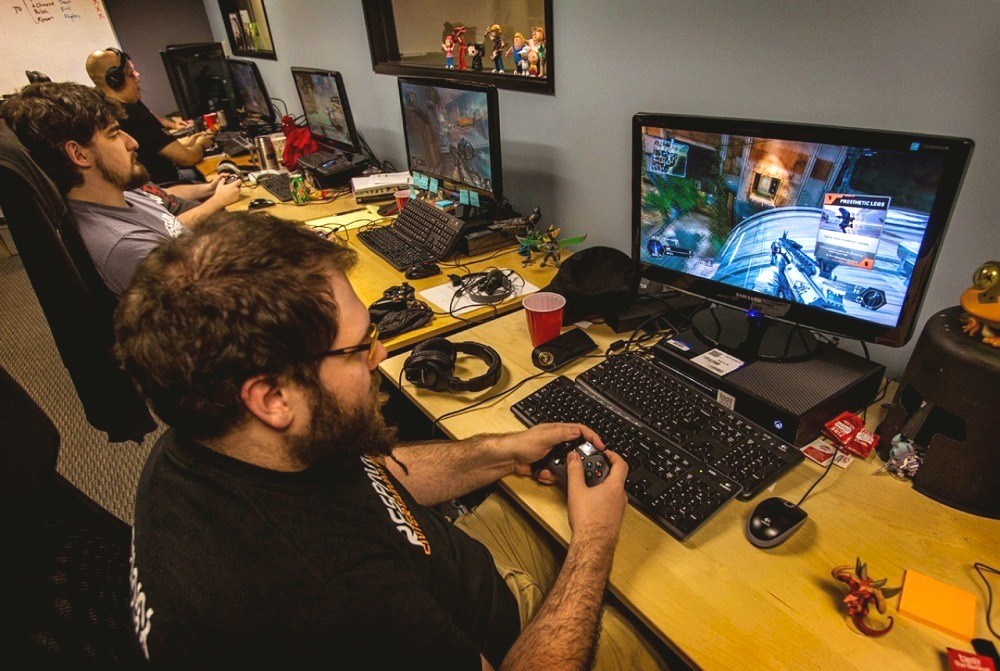
If you’ve ever dreamed of playing video games for a living, video game tester jobs at home might sound like the perfect career. But game testing isn’t just about having fun—it’s about finding bugs, providing feedback, and helping developers create the best possible gaming experience.
This guide will explain what video game testers do, how to get remote jobs, required skills, salaries, and tips for starting from home.
What is a Video Game Tester?
A video game tester—also known as a Quality Assurance (QA) tester—plays games during their development to identify:
- Bugs or glitches
- Gameplay balance issues
- Compatibility problems
- User interface errors
- Performance issues on different platforms
Their feedback helps developers fix problems before the game is released.
Can You Work as a Video Game Tester from Home?
Yes. With modern collaboration tools and cloud-based game builds, many companies now hire remote QA testers. You’ll receive game files, test instructions, and bug-reporting software to use from your home setup.
Skills Needed for Video Game Tester Jobs at Home
While being a gamer helps, testing requires more than just playing:
- Attention to Detail – Spotting minor bugs and inconsistencies.
- Communication Skills – Writing clear, detailed bug reports.
- Patience – Repeating levels or actions to reproduce bugs.
- Technical Knowledge – Understanding gaming platforms, hardware, and software.
- Time Management – Meeting deadlines for feedback submission.
Average Salary for Remote Video Game Testers
Pay varies depending on experience, company, and location:
- Entry-level testers – $10–$15/hour
- Experienced testers – $20–$30/hour
- Freelance testers – Paid per project or milestone
Some companies also offer full-time salaried positions with benefits.
Where to Find Video Game Tester Jobs at Home
Job Boards
- Indeed
- Glassdoor
Gaming-Specific Sites
- Hitmarker
- Gaming Jobs Online
- Work With Indies
Direct from Game Studios
Check the careers page of companies like:
- Electronic Arts (EA)
- Ubisoft
- Blizzard Entertainment
- Epic Games
Home Setup for Game Testing
- Computer/Console – Meet the game’s hardware requirements.
- Stable Internet – For downloading builds and reporting bugs.
- Testing Tools – Provided by the employer (bug tracking, screen recording).
- Quiet Workspace – Minimize distractions for accurate feedback.
Pros and Cons of Video Game Tester Jobs at Home
Pros
- Work from anywhere
- Flexible schedules (especially freelance)
- Insight into the game development process
Cons
- Repetitive tasks
- Tight deadlines
- Lower pay compared to other tech jobs
Tips for Getting Hired as a Remote Game Tester
- Build a Gaming Resume – Highlight relevant skills, platforms you know, and beta testing experience.
- Start with Beta Testing – Volunteer for open beta programs to gain experience.
- Learn Bug Reporting Tools – Familiarize yourself with Jira, Trello, or TestRail.
- Network with Developers – Join gaming communities and LinkedIn groups.
- Apply Widely – Send applications to both large studios and indie developers.
Future of Remote Video Game Testing
With the rise of cloud gaming, VR/AR games, and live service models, demand for testers—especially remote ones—is expected to grow. Companies value testers who can provide real-world environment feedback from their own setups.
Conclusion
Video game tester jobs at home offer a unique way to turn your passion for gaming into income. While it’s not just about playing for fun, the work is rewarding for those who enjoy problem-solving and improving game quality.
With the right skills, home setup, and persistence in applying, you can break into the industry and start contributing to the games people love worldwide.
FAQs
1. Do I need a degree to be a video game tester?
No, but knowledge of software testing, game design, or programming can help.
2. Can I test games on my own console?
Yes, if the company provides console-specific builds and you meet hardware requirements.
3. How do I get paid as a freelance tester?
Typically through PayPal, direct deposit, or project-based contracts.
4. Will I get to play unreleased games?
Yes, but you’ll likely need to sign a Non-Disclosure Agreement (NDA).
5. Is game testing a long-term career?
It can be, but many testers move into roles like QA lead, game designer, or developer.
Also read: Email to Send After Interview: Complete Guide with Examples
