

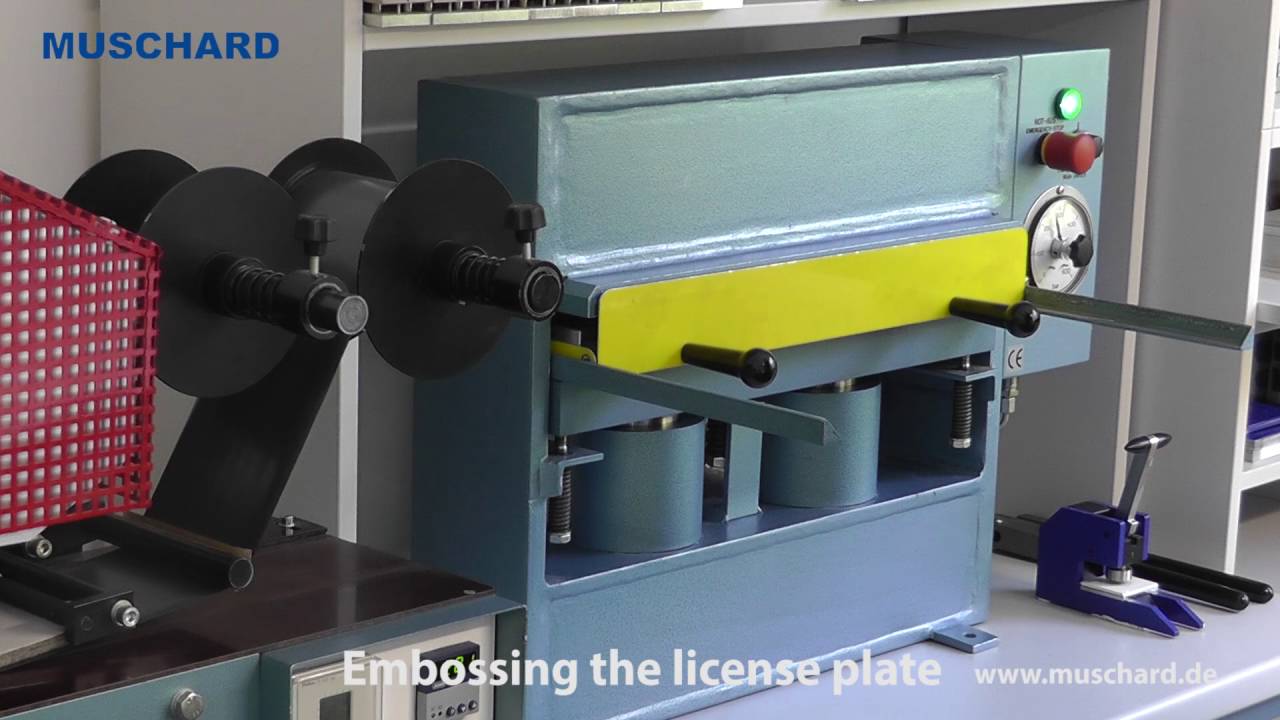
A car plate machine is a specialized piece of equipment designed to produce vehicle license plates. Whether you’re a government agency, a custom plate manufacturer, or a small business providing auto-related services, a car plate machine can streamline production, ensure precision, and even allow customization on demand.
As vehicle ownership continues to rise globally, the need for high-quality, efficient license plate production is more critical than ever. In this article, we’ll explore the technology behind car plate machines, their working process, advantages, and why investing in one can be a game-changer.
What Is a Car Plate Machine?
A car plate machine is a mechanical or digital system used to create, emboss, and sometimes paint or finish vehicle license plates. These machines can be manual, semi-automatic, or fully automatic depending on the complexity of the design and the production scale.
There are two primary types:
- Embossing machines – Used to stamp alphanumeric characters into metal plates.
- Digital printing machines – Used for high-resolution graphic plates, often in custom or vanity designs.
Components of a Car Plate Machine
Understanding the parts of a car plate machine helps in knowing how it functions:
- Frame Press or Die Plate: Used to emboss letters and numbers.
- Control Panel: For selecting plate size, format, and data.
- Feed Tray: Where blank plates are inserted.
- Roller System: Guides and flattens the plate after embossing.
- Printer (optional): For adding ink or foil-stamped designs.
Modern machines also include automated feeding systems, barcode readers, and smart sensors to improve accuracy and efficiency.
How Does a Car Plate Machine Work?
The car plate machine process typically involves the following steps:
- Loading the Blank Plate: A pre-cut aluminum or metal plate is inserted.
- Character Selection: The operator inputs the desired registration number or code.
- Embossing: The machine presses raised characters into the plate.
- Coloring (Optional): Characters are color-filled with thermal ink, foil, or paint.
- Finishing: The plate is inspected and cooled before packaging.
Digital car plate machines may use UV printing or laser marking to add logos, barcodes, and holograms.
Manual vs. Automatic Car Plate Machines
There are several types of car plate machines, each with its own pros and cons:
Manual Car Plate Machines
- Require physical input for each plate.
- Cost-effective and easy to maintain.
- Ideal for low-volume production.
Automatic Car Plate Machines
- Fully programmed with software interfaces.
- Suitable for mass production.
- Higher precision and speed.
Businesses or agencies with higher volume needs typically opt for automatic car plate machines to save labor and time.
Applications of Car Plate Machines
A car plate machine isn’t just for creating license plates. Its uses extend to:
- Government Departments: For producing standardized registration plates.
- Private Workshops: For customized vanity plates.
- Dealerships: Temporary plates or branded designs.
- Exporters: Meeting different country standards.
- Auto Shows/Events: Creating display or novelty plates on-site.
Benefits of Using a Car Plate Machine
1. Time-Saving
Automatic machines can produce hundreds of plates per day.
2. Consistency
Eliminates human error by ensuring uniformity in characters and spacing.
3. Customization
Digital machines allow logos, symbols, QR codes, and colors.
4. Cost-Effective
One-time investment with long-term production value.
5. Security
Secure features such as holograms or barcodes can be integrated.
Car Plate Machine Maintenance Tips
Proper maintenance ensures the longevity and efficiency of your car plate machine:
- Regular Lubrication of moving parts.
- Software Updates to maintain accuracy and security features.
- Cleaning the die and print head to avoid residue buildup.
- Routine Calibration to prevent misalignment in embossing.
- Inspection of Electrical Components for overheating or wear.
Scheduled maintenance reduces downtime and extends equipment lifespan.
Buying Guide: What to Look for in a Car Plate Machine
If you’re in the market for a car plate machine, consider the following:
- Production Volume: Choose manual for low-volume or automatic for high-volume needs.
- Plate Sizes Supported: Ensure the machine supports standard and custom dimensions.
- Type of Plate Material: Aluminum, steel, or polymer plates.
- Customization Features: Does it support color, logos, or security marks?
- Power Supply & Compatibility: Check voltage and regional compatibility.
- After-Sales Support: Always choose a brand with strong technical and service support.
Environmental Considerations in Car Plate Manufacturing
Many modern car plate machines are built with sustainability in mind, offering:
- Energy-efficient motors
- Recyclable plate materials
- Low VOC (volatile organic compounds) inks
- Waste reduction through digital workflows
Using eco-friendly car plate machines contributes to green manufacturing practices.
The Future of Car Plate Machines
The industry is heading toward fully integrated digital systems with the following trends:
- AI-Based Plate Recognition
- Smart Plates with embedded chips or RFID
- Blockchain-verified Manufacturing Logs
- Cloud-based Production Management
These innovations not only improve efficiency but also boost plate traceability, security, and international compliance.
Conclusion
Whether you’re a government body or a small business, investing in a car plate machine opens up countless opportunities. It simplifies license plate production, supports high-volume workflows, and provides a scalable, customizable solution.
From basic embossing to advanced digital printing, the right machine ensures your production line stays fast, secure, and compliant with evolving regulations. As technology continues to advance, so too will the capabilities and efficiency of car plate machines.
If you’re serious about offering professional-grade plates or scaling up your operations, a car plate machine is no longer optional—it’s a necessity.
FAQs
1. Can a car plate machine create different plate sizes?
Yes, most modern car plate machines can be adjusted to support various regional and custom sizes.
2. What materials can a car plate machine use?
Common materials include aluminum, steel, and plastic polymer. The machine’s compatibility depends on its embossing and heating capacity.
3. How much does a car plate machine cost?
Prices vary depending on the machine’s features. Manual machines start around $1,000–$3,000, while advanced automatic models can go up to $20,000 or more.
4. Is training required to operate a car plate machine?
Basic training is recommended. Most machines come with user manuals, and many suppliers offer online tutorials or on-site training.
5. Can I use a car plate machine to make decorative or novelty plates?
Absolutely. Digital car plate machines are often used for custom or novelty plates for shows, gifts, or branding.
Also read : Augmented Reality Magazine: Innovation in Focus
