

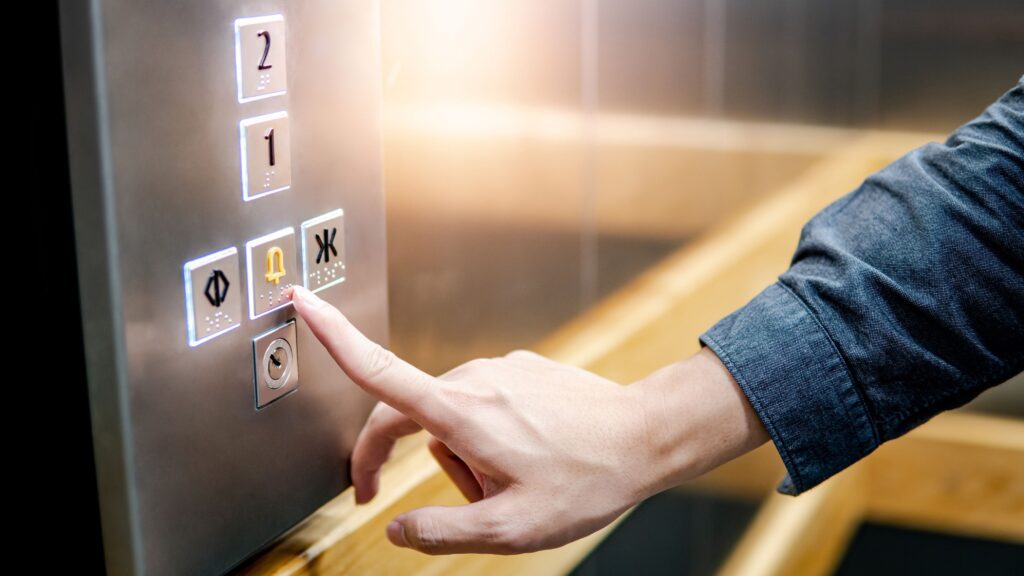
An elevator telephone is a critical safety device installed inside an elevator car to provide emergency communication between passengers and responders. While it may not get much attention, this small device plays a vital role in ensuring the safety and security of elevator passengers, especially in emergencies like entrapment, power failures, or fire alarms.
In this article, we’ll explain what an elevator telephone system is, how it works, the different types available, and why it’s a legal and functional necessity in modern buildings.
What Is an Elevator Telephone System?
An elevator telephone system is an emergency communication device that allows trapped elevator passengers to contact help, typically through a hands-free speakerphone or button-activated system. It’s mounted inside the elevator cab, usually near or integrated with the elevator control panel.
Modern systems automatically connect to a 24/7 monitoring center, building security, or emergency services, ensuring a fast response during emergencies. Elevator telephones must function independently of the elevator’s main power supply to remain operational even during outages.
Why Elevator Telephones Are Legally Required
Elevator telephone systems are not optional—they are required by law. According to the ASME A17.1 Safety Code for Elevators and Escalators, all elevators installed or modernized after a certain date must include a functioning two-way communication device.
Some key regulations include:
- The telephone must be accessible to all passengers, including those with disabilities.
- The phone must work without voice communication, using visual or text indicators if needed.
- It must be hands-free and not require a handset.
- The system should be monitored 24/7 by a response center or emergency team.
Violating these codes can result in serious legal and liability consequences for building owners and managers.
How Elevator Telephone Systems Work
Elevator telephones are usually wired to a dedicated phone line or connected via cellular or VoIP (Voice over Internet Protocol) networks. When a user presses the emergency call button, the system automatically dials a pre-programmed emergency number, typically a call center or elevator monitoring service.
Once the connection is established:
- Passengers can speak directly with an operator.
- The system provides caller ID and elevator location automatically.
- Some systems offer remote unlocking, video verification, or location beacons for large buildings with multiple elevators.
Backup batteries or independent power sources ensure that the phone remains active even during power failures.
Key Components of an Elevator Telephone System
Elevator telephone systems include several key components that work together to ensure safety and reliability:
- Call Button: Activates the phone system with one press.
- Microphone and Speaker: Enables two-way hands-free communication.
- Control Unit: Manages call routing, monitoring, and integration with other systems.
- Backup Battery: Keeps the system operational during power outages.
- Compliance Indicators: Some phones include braille, visual alerts, or text-based interfaces.
Advanced systems may also support network-based diagnostics, allowing elevator maintenance providers to test the line remotely.
Analog vs. Cellular Elevator Telephone Systems
There are three main types of elevator telephone systems:
Analog
- Uses traditional landlines
- Simple to install but may be phased out by phone companies
- Often higher ongoing costs due to monthly line rental
Cellular
- Connects via mobile networks
- No landline required
- Ideal for remote or new installations without existing phone lines
- Must ensure signal strength and 911-compliance
VoIP (Internet-based)
- Uses internet connection via building’s network
- Requires battery backup and network redundancy
- More cost-effective and future-proof
Each type must meet local code requirements and should be chosen based on building infrastructure and compliance needs.
ADA Compliance and Accessibility
Elevator telephones must comply with Americans with Disabilities Act (ADA) guidelines. This ensures that all users, regardless of ability, can access emergency services in a crisis.
ADA-compliant elevator telephone systems must:
- Be mounted at a height accessible to wheelchair users
- Include visual indicators (lights or text) to show that help is on the way
- Use audio and visual feedback
- Have braille markings
- Offer a text communication option or alternative for hearing-impaired users
This isn’t just about compliance—it’s about inclusive safety for everyone.
Elevator Telephone System Installation
Installing an elevator telephone system must be done by licensed professionals and is often part of a larger elevator installation or modernization project.
Steps typically include:
- Assessing phone line availability or choosing cellular/VoIP
- Running cables through the elevator shaft and cab
- Installing the phone interface on or near the elevator control panel
- Testing for signal strength, voice clarity, and emergency functionality
- Confirming integration with the building’s emergency and fire alarm systems
Installation must be followed by regular testing and inspections to ensure ongoing compliance and performance.
Maintenance and Testing Requirements
Maintaining an elevator telephone system is not a one-time task—it requires ongoing testing and documentation.
Most jurisdictions require:
- Monthly testing of emergency call function
- Annual inspections as part of the elevator safety inspection
- Immediate repair or replacement if the system fails or malfunctions
- Logbooks or digital records of test results and service calls
Failing to properly maintain your elevator telephone system could result in code violations, fines, or increased liability in the event of an emergency.
The Role of Elevator Telephones in Emergency Response
When elevators stop working—whether due to power outages, fire alarms, mechanical failure, or natural disasters—elevator telephones provide a lifeline between trapped passengers and rescue personnel.
Modern systems may be integrated with:
- Emergency response centers
- Building management systems
- Fire and smoke alarms
- Remote monitoring dashboards
Quick communication not only reduces panic but speeds up rescue operations. In tall buildings with dozens of elevators, identifying which cab is malfunctioning becomes much easier with GPS or system-wide elevator telephone integration.
Why Building Owners Must Prioritize Elevator Telephone Systems
As a building owner or manager, maintaining your elevator telephone is not just a box to check for inspections. It’s a key part of your safety infrastructure.
Failing to maintain or modernize this system puts lives at risk and opens the door to legal and financial liability. With advances in elevator technology, integrating voice, video, and remote support features into elevator telephones is now easier and more cost-effective than ever.
Whether you’re managing an apartment complex, office building, hotel, or hospital, investing in reliable elevator telephone systems should be a top priority.
Conclusion
Elevator telephone systems are much more than a piece of equipment mounted on the wall. They are a lifesaving, code-mandated, legally required part of every modern elevator installation. Whether you’re planning a new build, retrofitting an old elevator, or just checking compliance, elevator telephone systems should never be overlooked.
They provide peace of mind for passengers, ensure accessibility for everyone, and offer fast, reliable emergency communication when it matters most. In a world where seconds count, this small device could make all the difference.
FAQs
1. Is an elevator telephone legally required?
Yes. Building codes and the ASME A17.1 safety standard require elevators to have a working emergency communication system, including in both commercial and residential buildings.
2. Can I use a cell phone instead of an elevator telephone?
No. Personal mobile phones are not a compliant substitute. Elevator telephones must be hands-free, ADA-compliant, and directly connected to emergency monitoring services.
3. How often should elevator telephones be tested?
Most codes require monthly testing of emergency elevator communication systems, with documentation kept for inspection purposes.
4. What happens if the building loses power?
Elevator telephone systems must have battery backup or be connected to emergency power sources to function during power outages.
5. How do I choose between analog, cellular, or VoIP elevator telephones?
It depends on your building’s infrastructure, local code requirements, and long-term goals. Cellular and VoIP systems are increasingly preferred due to cost and reliability, especially as analog lines are phased out.
Also read: Key Fob Entry System for Buildings: The Smart Way to Secure Property Access
