

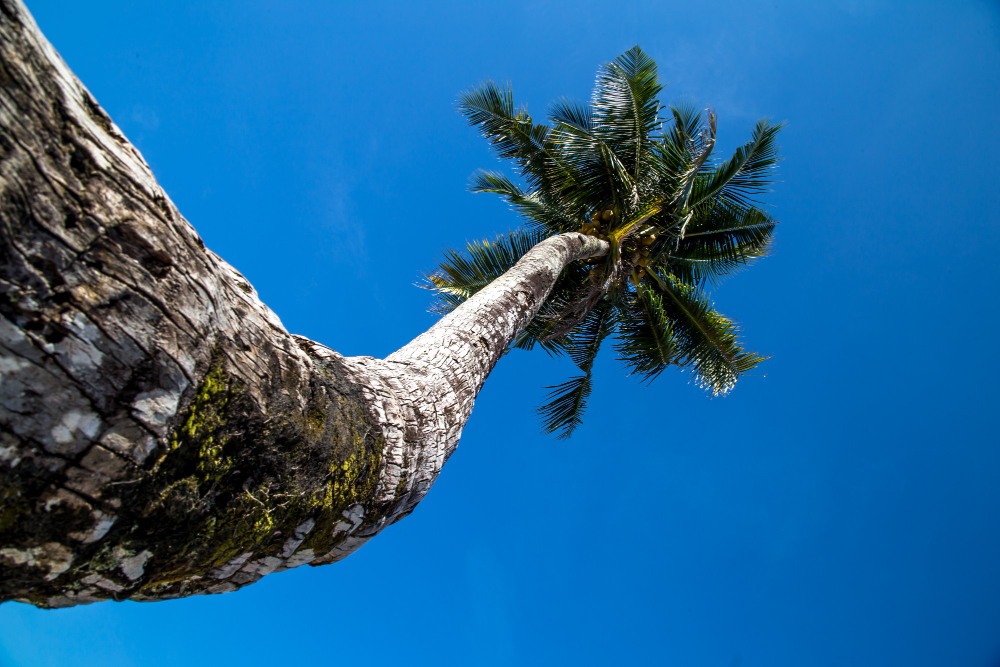
The towering Cocora Valley wax palm trees are one of Colombia’s most iconic natural wonders. Nestled in the lush Quindío region of the Andes, these majestic palms reach heights that boggle the mind—and inspire awe in everyone who hikes beneath them. More than just a scenic backdrop, these trees hold deep cultural, ecological, and national significance.
Whether you’re planning a trip to Cocora Valley or just fascinated by unique ecosystems, here are 10 fun facts about Colombia’s national tree—the mighty wax palm.
1. They Are the Tallest Palm Trees in the World
The wax palms in Cocora Valley aren’t just big—they’re record-breakingly tall. These giants can reach up to 60 meters (about 200 feet) in height, making them the tallest palm trees on Earth.
Their immense vertical stature is enhanced by the rolling green hills and misty mountain backdrop, giving them an almost surreal, otherworldly appearance that has become a hallmark of Colombian tourism.
2. They Only Grow in High-Altitude Cloud Forests
You won’t find Cocora Valley wax palm trees on a tropical beach. These unique palms grow at altitudes between 1,800 and 2,400 meters (5,900–7,900 feet) above sea level, primarily in cloud forests—ecosystems that are cool, damp, and often shrouded in mist.
Their ability to thrive in these conditions makes them particularly rare, as most palm trees prefer lower, warmer, and more humid climates.
3. They’re Named After the Wax on Their Trunks
The tree’s scientific name, Ceroxylon quindiuense, includes “ceroxylon,” which translates to “wax wood.” The reason? Their trunks are coated in a natural wax, which was once harvested to make candles and polishes.
Today, the extraction of this wax is banned, as the species is now protected. But the name remains, honoring both the tree’s appearance and its historical utility.
4. They’re Colombia’s National Tree and a National Symbol
In 1985, the Colombian government declared the wax palm the national tree of Colombia. This decision wasn’t just botanical—it was deeply cultural. The tree symbolizes Colombia’s biodiversity, natural beauty, and environmental richness.
You’ll often see the wax palm featured in tourism campaigns, guidebooks, and even school curricula, reinforcing its status as a beloved national emblem.
5. They Can Live for Over 200 Years
Like redwoods and baobabs, Cocora Valley wax palm trees are long-lived giants. Some specimens are believed to be more than 200 years old.
Despite their slender trunks, they are remarkably resilient. However, their slow growth and long life cycles also mean they are especially vulnerable to habitat destruction, which makes conservation efforts critical.
6. They Provide Shelter for Endangered Species
The wax palm isn’t just a beauty to behold—it’s also a vital part of the Andean ecosystem. Its towering height and sturdy structure make it ideal nesting ground for several bird species, including the endangered yellow-eared parrot (Ognorhynchus icterotis).
This parrot was once near extinction but has made a comeback thanks to reforestation efforts in Cocora Valley that prioritize wax palm preservation.
7. They Inspired the Creation of Los Nevados National Park
The ecological and national importance of the wax palm helped inspire the formation of Los Nevados National Natural Park, which protects vast stretches of Andean páramo, glaciers, volcanoes, and cloud forest.
Cocora Valley is one of the park’s most visited areas, drawing thousands of hikers, bird watchers, and nature lovers each year who come to marvel at the wax palms in their natural habitat.
8. They Are a Highlight of the Cocora Valley Trek
The classic Cocora Valley hike is one of Colombia’s most popular trekking routes. It’s a 5–6 hour loop that winds through cloud forests, wooden bridges, and open fields filled with towering wax palms.
The trail offers a full sensory experience: cool breezes, the scent of wet earth, and panoramic views of the palms piercing the sky. It’s often described as walking through a Jurassic Park-like landscape, minus the dinosaurs.
9. You Can See Them Near Salento, a Charming Colonial Town
The gateway to Cocora Valley wax palm trees is the picturesque town of Salento, located in the Quindío department of Colombia’s Coffee Region. With its colorful buildings, artisan shops, and cozy cafés, Salento is the perfect base for visitors heading to Cocora Valley.
From the town’s central plaza, you can take a jeep ride (locally called a “Willy”) to the valley entrance—an adventure in itself!
10. They Are Protected by Law, But Still Face Threats
Despite being a protected species, wax palms are still under threat from deforestation, agriculture, and illegal logging. In the past, young wax palms were even cut for Palm Sunday processions in Colombia, further reducing their numbers.
Thankfully, environmental laws and conservation awareness have improved over the past few decades. Educational campaigns, eco-tourism, and community involvement are helping ensure the future of these iconic trees.
Conclusion: Why Cocora Valley Wax Palm Trees Deserve the Spotlight
The Cocora Valley wax palm trees are far more than a postcard-perfect photo op. They’re a symbol of Colombian identity, a lifeline for endangered species, and a natural marvel unique to the high-altitude Andes.
Their immense height, ecological significance, and spiritual beauty make them a must-see for anyone traveling through Colombia. Whether you’re trekking through the valley, photographing the palms at sunrise, or simply enjoying a moment of peace beneath their towering silhouettes, these trees leave a lasting impression.
Protecting them isn’t just about saving a tree—it’s about preserving a piece of Colombia’s soul.
FAQs About Cocora Valley Wax Palm Trees
1. Where is Cocora Valley located?
Cocora Valley is located in the Quindío department of central Colombia, within the Coffee Triangle region. The nearest town is Salento, about 10 km away.
2. What’s the best time to visit Cocora Valley?
The valley can be visited year-round, but the dry season (December to March) offers the best conditions for hiking and photography. Mornings are usually clearer, while afternoons can bring mist or rain.
3. How long is the Cocora Valley hike?
The full loop is about 11–12 km (6.8–7.5 miles) and takes 5–6 hours to complete. There are shorter routes available if you prefer a more leisurely visit.
4. Are the wax palm trees found anywhere else besides Cocora Valley?
Wax palms grow in several areas of the Andes Mountains, but Cocora Valley has the largest and most accessible concentration. That’s why it’s the most popular spot to see them up close.
5. Is it safe to visit Cocora Valley?
Yes, Cocora Valley is considered safe for tourists. Salento is a well-visited town with good infrastructure, and the trails are well-marked. As always, bring appropriate hiking gear, water, and let someone know your plans if hiking solo.
