

A degree in history doesn’t mean you’re confined to dusty archives or academic pursuits. In fact, history majors are among the most versatile graduates, equipped with skills that apply to industries like education, law, journalism, government, business, and more.
In this guide, we’ll explore the best careers for history majors, typical salaries, job descriptions, and how you can leverage your degree for long-term success.
Why Employers Love History Majors
History majors develop strong critical thinking, research, writing, and communication skills—all essential in today’s data-driven, narrative-focused job market. Employers in both public and private sectors value these transferable skills.
Top Skills History Majors Offer:
- Analytical reasoning
- Research and data interpretation
- Writing and editing proficiency
- Presentation and public speaking
- Cultural and global awareness
Top Careers for History Majors
Historian
Job Description: Historians research, analyze, and interpret the past through documents, archives, artifacts, and other records.
- Median Salary: $66,000/year
- Job Outlook: Steady demand in museums, historical societies, and government agencies
- Best Fit For: Those who enjoy academic research or working in heritage sectors
High School History Teacher
Job Description: Teach history, civics, or social studies at secondary schools.
- Median Salary: $62,000/year
- Requirements: Bachelor’s + teaching certification (varies by state)
- Best Fit For: Communicators passionate about shaping young minds
Archivist or Curator
Job Description: Preserve and exhibit historical documents, photographs, and artifacts.
- Median Salary: $61,000/year
- Common Employers: Museums, libraries, universities
- Skills Needed: Cataloging, preservation, historical knowledge
Lawyer or Paralegal
Job Description: Use analytical skills to interpret legal texts and build cases.
- Median Salary: $84,000–$150,000/year
- Best Path: History undergrad → Law school (J.D.)
- Best Fit For: Debaters, writers, policy-minded professionals
Journalist or Editor
Job Description: Research, write, and edit news or feature stories for media outlets.
- Median Salary: $58,000/year
- Growth Tip: Start with internships or freelance writing
- Best Fit For: Writers with a nose for investigative detail
Public Relations Specialist
Job Description: Craft compelling stories and maintain the public image of a brand or organization.
- Median Salary: $67,000/year
- Skills Applied: Persuasive writing, strategic communication
- Good For: Social, creative individuals with strong narrative skills
Policy Analyst
Job Description: Evaluate government policies and recommend improvements.
- Median Salary: $77,000/year
- Top Employers: Think tanks, NGOs, federal/state agencies
- Bonus: Great for those interested in public service and advocacy
Marketing Strategist
Job Description: Analyze market trends and customer behavior to shape content and campaigns.
- Median Salary: $70,000–$90,000/year
- How It Fits: Historians are trained to analyze trends—making them great strategists
- Best Fit For: Data-driven creatives
Librarian
Job Description: Manage collections and help users access information.
- Median Salary: $60,000/year
- Degree Needed: Master of Library and Information Science (MLIS)
- Best Fit For: Organized, research-focused individuals
Museum Educator
Job Description: Design and lead educational programming for museums or cultural centers.
- Median Salary: $50,000/year
- Best Fit For: Those passionate about public engagement and education
Emerging Fields for History Majors
Digital Humanities
Combines history, technology, and data analysis to explore historical questions using digital tools. Skills in GIS, data visualization, and coding can set you apart.
UX Writing & Content Strategy
Content creation that requires clear communication, research, and understanding user intent—perfect for history majors moving into tech.
How to Choose the Right Career Path
Here are some guiding questions to help you align your passions and strengths with your career:
- Do you prefer independent research or people-facing roles?
- Are you willing to pursue further education (e.g., law school, MLIS)?
- Do you enjoy writing, speaking, or problem-solving?
- Would you rather work in public service, academia, or the private sector?
Use tools like O*NET, LinkedIn Career Explorer, or MyNextMove.org to match your skills with possible job titles.
How to Make a History Degree More Marketable
Add Technical Skills
Complement your degree with skills like:
- Excel or Google Sheets
- Data analysis
- WordPress or CMS platforms
- SQL or Tableau for research roles
- Adobe or Canva for marketing and design work
Earn Certifications
Popular certifications include:
- Digital Marketing (Google, HubSpot)
- Project Management (PMP, CAPM)
- Paralegal studies
- Public policy or non-profit leadership
Internships and Volunteer Work
Gain practical experience by:
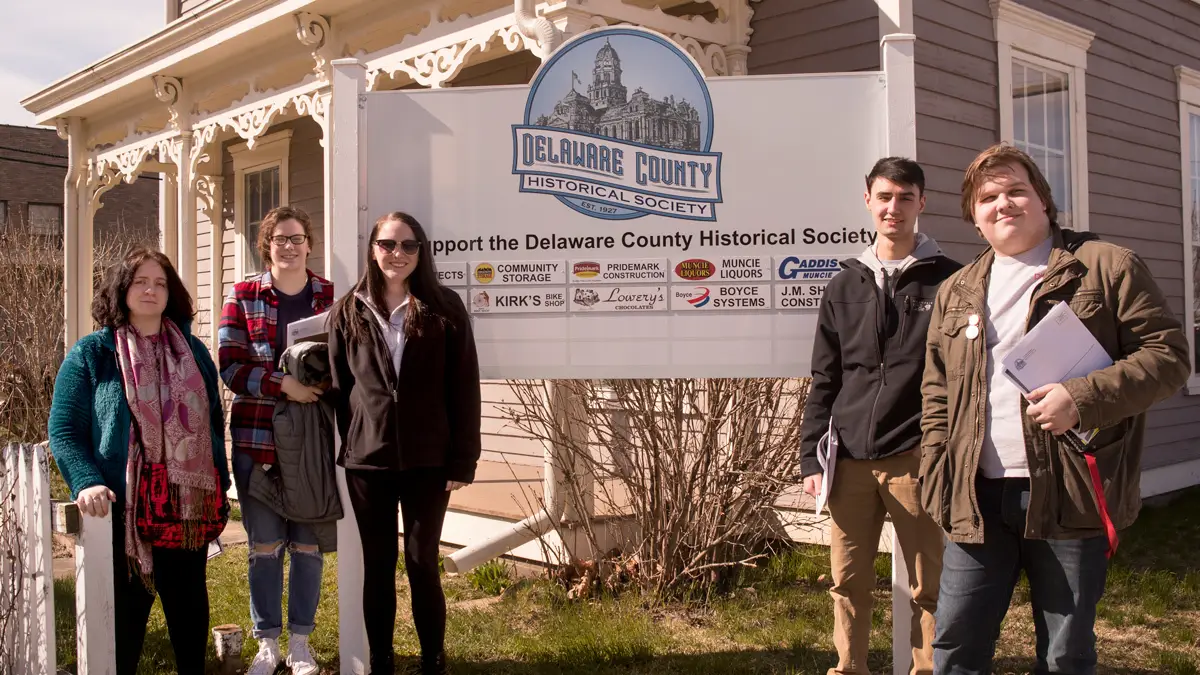
- Volunteering at local museums or historical societies
- Writing blog posts or managing social media for nonprofits
- Interning with government or education institutions
SEO Insights: Why “Careers for History Majors” is a High-Value Keyword
Searches for “careers for history majors” typically come from:
- College students planning for the future
- Graduates seeking career clarity
- Parents helping children with academic decisions
Keyword variations to include:
- Jobs with a history degree
- History major career options
- What can I do with a history degree
- History degree job prospects
Optimization Tips:
- Use clear headings (H2/H3)
- Include keyword in first 100 words
- Optimize image alt-texts (e.g., “Careers for history graduates infographic”)
- Link to related articles (e.g., “Best Graduate Programs for History Majors”)
Conclusion
A history degree is not a dead-end—it’s a launchpad. Whether you envision yourself in a courtroom, classroom, newsroom, or boardroom, your analytical mindset, writing talent, and historical perspective are highly valuable.
With strategic planning, internships, and supplemental skills, careers for history majors can span a wide range of industries. The key is understanding your strengths and aligning them with market needs.
FAQs
1. What is the highest-paying job for history majors?
Lawyers, policy analysts, and marketing directors can command high salaries—often $90K and above with experience and graduate degrees.
2. Is a history degree useless?
Not at all. It provides transferable skills like critical thinking and research, which are essential in many high-demand roles.
3. Can I work in tech with a history degree?
Yes. Fields like UX writing, digital content strategy, and digital humanities offer entry points into tech.
4. Do I need a master’s degree to get a good job with a history major?
Not necessarily. While some paths (like librarianship or law) require further study, many roles in marketing, education, and public service do not.
5. What government jobs can I get with a history degree?
You can work as a policy analyst, intelligence analyst, historian, foreign service officer, or archivist in federal and state agencies.
Also read: B2B Collection Agency: A Complete Guide to Business Debt Recovery
