

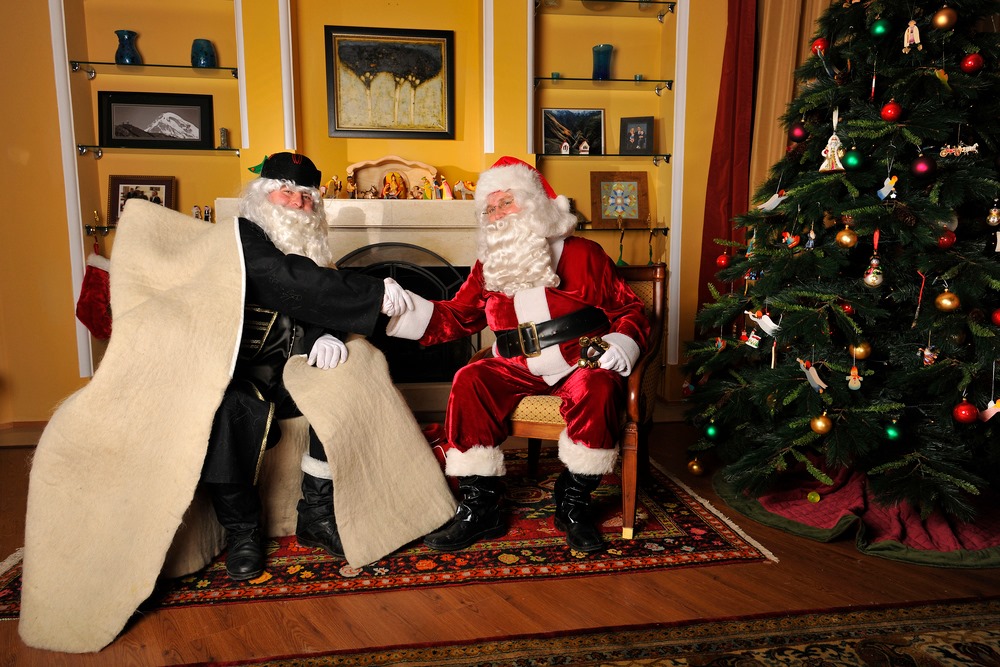
When people think of Christmas, Santa Claus often comes to mind. However, Santa is not the only holiday gift-bringer in the world. Across cultures, festive traditions feature their own characters who embody generosity and joy. From Saint Nicholas in Europe to La Befana in Italy, these international Santas reflect the diversity of Christmas celebrations. This article explores the fascinating world of Christmas gift givers, their origins, and how they shape holiday traditions around the globe.
Who Are the International Santas?
The phrase international Santas refers to the many figures worldwide who deliver gifts or blessings during the holiday season. While they share similarities with Santa Claus, each character is shaped by cultural, historical, and religious influences. Some are kind and jolly, while others are stern figures who reward the good and punish the naughty.
The Origins of Santa Claus
Santa Claus has his roots in Saint Nicholas, a 4th-century bishop from Myra (modern-day Turkey). Known for his generosity, Saint Nicholas became a legend in Europe and later transformed into Santa Claus in North America. His story inspired many other traditions, giving rise to a wide variety of international Santas.
Father Christmas – United Kingdom
In the UK, Father Christmas predates the American-style Santa Claus. Originally, he symbolized the spirit of good cheer rather than a gift-bringer. Over time, Father Christmas merged with the image of Santa, becoming the jolly, red-suited figure known today.
Pere Noël – France
In France, Pere Noël (Father Christmas) delivers gifts on Christmas Eve. Children leave shoes by the fireplace, which Pere Noël fills with toys and sweets. In some regions, he is accompanied by Père Fouettard, who carries a whip to punish misbehaving children — showing that not all international Santas are purely cheerful.
Sinterklaas – The Netherlands and Belgium
The Dutch and Belgian Sinterklaas is one of the closest connections to the original Saint Nicholas. Celebrated on December 5th (Saint Nicholas Eve), Sinterklaas arrives on a white horse, bringing gifts to children. He is assisted by helpers, historically called Zwarte Piet (Black Pete), though modern celebrations are adapting this tradition to be more inclusive.
La Befana – Italy
In Italy, children await La Befana, a kind witch who visits homes on January 6th (Epiphany). According to legend, she refused to join the Wise Men on their journey to Bethlehem but later regretted it. Now she searches for the Christ child, leaving gifts for children along the way. She represents one of the most beloved international Santas in southern Europe.
Ded Moroz – Russia and Eastern Europe
In Russia, Ded Moroz (Grandfather Frost) delivers gifts on New Year’s Eve, accompanied by his granddaughter Snegurochka (the Snow Maiden). Unlike Santa Claus, Ded Moroz wears a long blue or silver robe and carries a magical staff. His celebration reflects both Christian and Slavic folklore influences.
Joulupukki – Finland
Finland’s Joulupukki (Christmas Goat) has evolved from a pagan figure who once demanded offerings into a kind Christmas gift-bringer. Today, Joulupukki looks similar to Santa Claus, but his origins highlight how ancient traditions blend with modern Christmas customs.
Krampus and Other Companions
Not all international Santas are friendly. In parts of Austria and Germany, Krampus, a horned demon-like creature, accompanies Saint Nicholas. While Nicholas rewards good children, Krampus punishes the naughty. This darker side of Christmas emphasizes morality alongside joy.
Other International Santas Around the Globe
- Christkind (Germany, Austria, Switzerland) – An angelic child who brings gifts on Christmas Eve.
- Julenissen (Norway) – A Christmas gnome who delivers presents.
- Hoteiosho (Japan) – A Buddhist monk-like figure who resembles Santa and carries gifts in a large bag.
- Tió de Nadal (Catalonia, Spain) – A wooden log that “poops” gifts when children hit it with sticks, combining humor with tradition.
- Three Kings (Spain and Latin America) – Celebrated on January 6th, the Magi deliver presents to children.
These examples highlight the incredible diversity of international Santas and the way cultures adapt holiday traditions.
Conclusion
The question of who brings gifts at Christmas has many answers, depending on where you are in the world. International Santas — from Saint Nicholas to La Befana, Ded Moroz, and Joulupukki — reflect the rich cultural heritage of holiday traditions. While the characters differ, they all share a common theme: spreading joy, generosity, and hope during the festive season. By learning about these figures, we appreciate the global spirit of Christmas even more.
FAQs
1. What does the term “international Santas” mean?
It refers to the various Christmas gift-bringers worldwide, such as Sinterklaas in the Netherlands, La Befana in Italy, or Ded Moroz in Russia.
2. Is Santa Claus the same everywhere?
No. While the American-style Santa Claus is widespread, each country has unique traditions and figures, often blending local folklore with Christian beliefs.
3. Who is the Santa figure in Russia?
Russia’s Santa-like figure is Ded Moroz, or Grandfather Frost, who delivers gifts on New Year’s Eve with his granddaughter Snegurochka.
4. Are there scary versions of international Santas?
Yes. Figures like Krampus in Austria and Germany are meant to scare naughty children, balancing the joyful gift-giving with lessons in behavior.
5. Why are there so many versions of Santa?
Each culture adapted the legend of Saint Nicholas and blended it with local customs, folklore, and religious traditions, creating many different international Santas.
Also read: Things to Do in Chiapas: 6 Family-Friendly Spots for All Ages
