

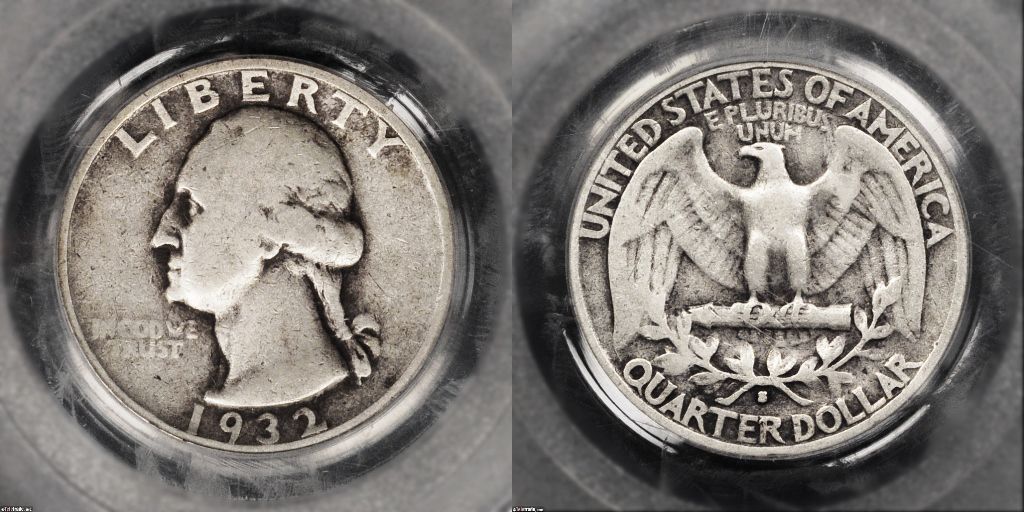
Coin collecting is a fascinating hobby that combines history, economics, and artistry. Among the most sought-after U.S. coins are silver quarters. But many new collectors often ask: what years are silver quarters?
This guide breaks down everything you need to know—years of production, reasons behind the silver content, how to spot them, and tips for collectors and investors. By the end, you’ll have a clear understanding of silver quarters and why they remain so valuable.
The History of Silver Quarters in the United States
The U.S. Mint first struck quarters in 1796, but not all were made of silver. For much of U.S. history, quarters contained 90% silver, making them both currency and precious metal investments.
Silver quarters served everyday use until rising silver prices forced a change in composition. Understanding the timeline of when quarters contained silver is essential for collectors.
What Years Are Silver Quarters? The Definitive Answer
The key years for silver quarters are:
- 1796–1964: All U.S. quarters struck during this period contained 90% silver.
- 1965–Present: Standard quarters no longer contain silver (they’re copper-nickel clad).
- Special Issues: From 1992 onward, the U.S. Mint released silver proof quarters for collectors, made of 90% silver (later 99.9% silver starting in 2019).
So, the short answer to what years are silver quarters is 1796 to 1964, plus certain special proof sets after 1992.
The 1964 Cutoff: Why Did Silver Quarters End?
In 1964, silver prices spiked, making the metal content in quarters worth more than the coin’s face value. To prevent hoarding and shortages, the U.S. Mint switched to a copper-nickel clad composition in 1965.
This shift marked the end of circulating silver quarters, though proof coins for collectors continued in later years.
Much Silver Is in a Quarter?
Each pre-1965 silver quarter contains:
- 90% silver, 10% copper
- Weight: 6.25 grams
- Pure silver content: ~0.1808 troy ounces
This makes their melt value (value of the silver alone) tied directly to silver spot prices.
Identifying Silver Quarters Easily
If you’re unsure whether your quarter is silver, here are ways to check:
- Check the Date – Any quarter from 1964 or earlier is silver.
- Edge Test – Silver quarters have a solid silver-colored edge, while clad quarters show a copper stripe.
- Sound Test – When dropped, silver quarters have a distinct, higher-pitched “ring” compared to clad coins.
- Weight Test – Silver quarters weigh 6.25g, while clad ones weigh 5.67g.
Key Designs of Silver Quarters
Different designs of silver quarters span U.S. history:
- Draped Bust (1796–1807)
- Capped Bust (1815–1838)
- Seated Liberty (1838–1891)
- Barber Quarter (1892–1916)
- Standing Liberty (1916–1930)
- Washington Quarter (1932–1964 in silver)
Each design has unique collector value beyond silver content.
Collector Value vs. Melt Value
Silver quarters can be worth much more than their melt value depending on rarity, condition, and demand.
For example:
- Common 1964 Washington quarters → mostly melt value
- Standing Liberty quarters → often higher value due to age and design
- Rare mint errors → can fetch hundreds or thousands of dollars
Collectors often balance between silver value and numismatic (collector) value.
Special Silver Proof Quarters (1992–Present)
Even though circulating silver quarters ended in 1964, the Mint still produces silver proof sets for collectors.
These include:
- 1992–2018: 90% silver proof quarters
- 2019–Present: 99.9% silver proof quarters
These are not for circulation but are prized by collectors for their high silver purity and limited mintage.
Investment Tips for Silver Quarters
If you’re collecting or investing in silver quarters, keep these tips in mind:
- Buy in bulk for silver stacking – 90% silver coins are often sold as “junk silver” for investment.
- Check for key dates – Some quarters have high collector premiums.
- Store properly – Use protective holders to prevent tarnish.
- Watch silver prices – Values fluctuate with the precious metals market.
Silver quarters are a great way to diversify a coin collection or hedge against inflation.
Why Collectors Love Silver Quarters
Beyond their intrinsic value, silver quarters carry historical and cultural significance. They represent America’s artistic coinage legacy and offer a tangible connection to U.S. history.
Collectors love them because they’re:
- Affordable entry points to silver investing
- Widely available at coin shops and shows
- Steeped in design variety and history
Conclusion
So, what years are silver quarters? The answer is simple yet fascinating: all U.S. quarters minted between 1796 and 1964 contained 90% silver. After 1964, silver quarters disappeared from circulation, replaced by copper-nickel clad coins. However, the U.S. Mint still issues silver proof quarters for collectors today.
Whether you’re collecting for historical interest or investing in silver, quarters remain an accessible and rewarding option. By understanding years, designs, and values, you’ll be well-prepared to identify silver quarters and build a valuable collection.
FAQs
1. What years are silver quarters?
All U.S. quarters from 1796 to 1964 are 90% silver. Modern silver proof quarters also exist from 1992 onward.
2. Are 1965 quarters silver?
No. Starting in 1965, quarters were made of copper-nickel clad, not silver.
3. How much silver is in a silver quarter?
Each contains about 0.1808 troy ounces of pure silver.
4. Are silver quarters valuable?
Yes. At minimum, they’re worth their melt value in silver, and some rare dates carry significant collector premiums.
5. Can you still find silver quarters in circulation?
It’s rare, but occasionally silver quarters show up in pocket change, though most are found in collections or purchased from dealers.
Also read: 2014 US Quarters: Designs, Values, and Collecting Guide
