

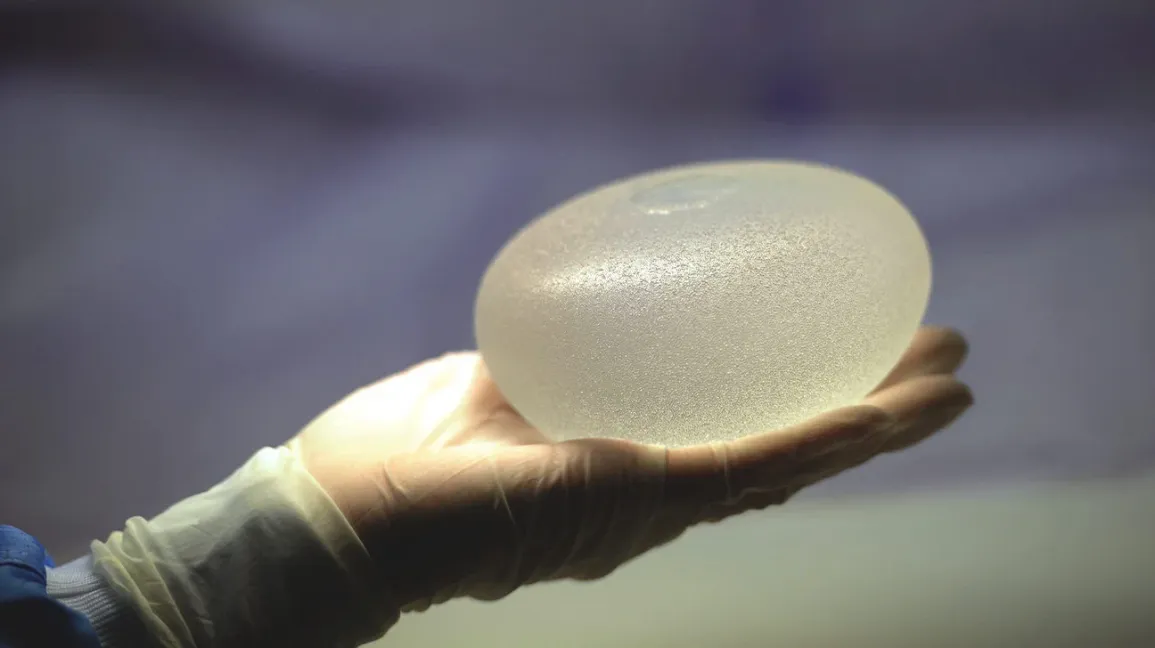
In recent years, the demand for body safe silicone has skyrocketed. From medical devices and kitchen utensils to personal care and intimate products, consumers are seeking materials that are not only durable and flexible but also safe for skin contact and long-term use.
But what exactly does body safe silicone mean? And how can you ensure that the silicone in your products is truly safe?
This guide explores the definition, uses, and safety standards of body safe silicone, giving you the knowledge to make informed, health-conscious choices.
What Is Body Safe Silicone?
Body safe silicone refers to silicone material that has been tested and certified as safe for direct contact with the human body. Unlike cheaper silicone blends, true body safe silicone is:
- Non-toxic – free from harmful fillers and chemicals.
- Hypoallergenic – unlikely to cause allergic reactions.
- Non-porous – resists bacteria buildup and is easy to clean.
- Heat and chemical resistant – maintains integrity under extreme conditions.
This makes it a preferred material in medical, food-grade, and wellness industries.
How Is Body Safe Silicone Made?
Silicone is a synthetic polymer made from silica (sand-based compounds) and oxygen, combined with carbon and hydrogen. For body safe silicone, manufacturers use:
- Medical-Grade Silicone – rigorously tested for biocompatibility, used in implants, prosthetics, and medical tubing.
- Food-Grade Silicone – FDA-approved for use in bakeware, baby bottles, and kitchen utensils.
Both types undergo strict purity testing to ensure they are free from toxins like BPA, phthalates, or latex.
Why Body Safe Silicone Matters
Choosing body safe silicone is crucial because not all silicone products are created equal. Some cheaper items use silicone blends with plastic fillers, dyes, or chemical softeners that:
- Break down over time
- Leach toxins into food or skin
- Cause irritation or allergic reactions
By contrast, certified body safe silicone ensures:
- Long-lasting durability
- Skin-friendly interaction
- Health protection
Uses of Body Safe Silicone
Medical Industry
- Implants (breast, joint, dental)
- Catheters and tubing
- Hearing aids and prosthetics
Silicone’s biocompatibility makes it indispensable in healthcare.
Kitchen and Food Industry
- Baking molds and mats
- Baby bottles and pacifiers
- Reusable straws and food containers
Food-grade silicone withstands heat up to 450°F (232°C), making it a safer alternative to plastic.
Personal Care & Wellness
- Skincare applicators
- Menstrual cups
- Wearable medical devices
Body safe silicone’s non-porous nature prevents bacteria growth, which is vital for hygiene products.
Intimate Products
- Adult toys
- Body massagers
- Personal lubricants (silicone-based)
Here, true body safe silicone is essential, since the products are used on sensitive skin.
Body Safe Silicone vs. Unsafe Silicone
| Feature | Body Safe Silicone | Unsafe Silicone Blends |
| Purity | 100% medical or food-grade | Often mixed with plastics/fillers |
| Safety | Hypoallergenic, non-toxic | May leach chemicals |
| Porosity | Non-porous, easy to clean | Semi-porous, bacteria-prone |
| Durability | Long-lasting | Breaks down quickly |
Tip: If a product feels sticky, degrades quickly, or has a strong chemical smell, it may not be true body safe silicone.
How to Identify Body Safe Silicone
When shopping for silicone products, look for:
- Certifications – FDA, LFGB, or ISO standards.
- Labeling – “100% medical-grade silicone” or “100% food-grade silicone.”
- Reputable Brands – Avoid knockoffs with vague labeling.
- Smell & Feel – Genuine silicone should have no strong chemical odor and feel smooth.
- Burn Test (at-home check) – True silicone turns to white ash when burned; fake silicone smells like plastic and melts.
Environmental Impact of Body Safe Silicone
One of the biggest benefits of body safe silicone is its eco-friendliness compared to plastic:
- Reusable & long-lasting – Reduces waste from single-use plastics.
- Non-toxic breakdown – Doesn’t leach harmful chemicals into soil or water.
- Recyclable (special facilities) – Though not biodegradable, silicone can be recycled into industrial products.
Switching to body safe silicone is a small but meaningful step toward sustainable living.
Pros of Using Body Safe Silicone
- Safe for prolonged body contact
- Heat and cold resistant
- Easy to sterilize (dishwasher safe, boilable)
- Flexible yet durable
- Hypoallergenic and latex-free
- More sustainable than plastic
Cons of Body Safe Silicone
- Not biodegradable (requires special recycling)
- Higher cost compared to plastic alternatives
- Counterfeit products on the market make it hard to verify quality
- Limited availability in certain regions
The Future of Body Safe Silicone
As consumers demand safer, sustainable materials, body safe silicone will continue to grow in importance. Innovations are focusing on:
- Medical implants that last longer and adapt better to the body
- Eco-friendly recycling processes
- Wearable technology made from flexible, skin-safe silicone
- Expanded use in baby and personal wellness industries
Conclusion
From medical devices to kitchen tools and personal wellness products, body safe silicone is a superior material for health, safety, and sustainability. Choosing genuine body safe silicone ensures:
- Protection from harmful chemicals
- Long-term durability
- Eco-conscious living
Next time you shop for silicone-based products, check certifications and brand reputation to guarantee you’re getting true body safe silicone, not a cheap, unsafe imitation.
FAQs
1. What does “body safe silicone” mean?
It means silicone tested and certified safe for direct skin and body contact, free from toxic fillers.
2. Are all silicone bodies safe?
No. Some silicone products contain fillers or plastic blends that may not be safe for skin or food use.
3. How do I know if my silicone product is body safe?
Check for FDA or medical-grade certification, lack of chemical odor, and reputable branding.
4. Can body safe silicone cause allergies?
It’s hypoallergenic and generally safe for most people, though rare sensitivities can occur.
5. Is silicone eco-friendly?
It’s more sustainable than plastic since it’s reusable and recyclable, but it’s not biodegradable.
Also read: Heli Speed: Complete Guide to How Fast Helicopters Can Go
