

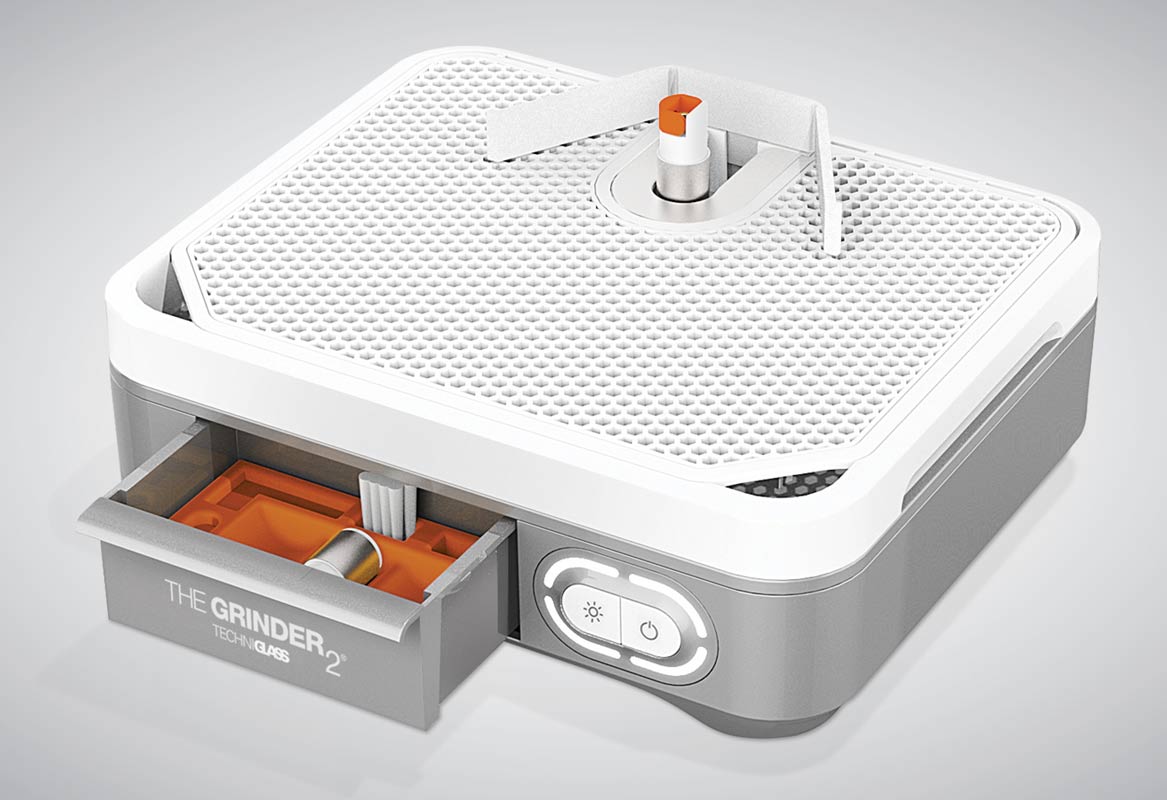
A glass grinder is a specialized power tool designed to shape, smooth, and polish glass edges. Commonly used in stained glass art, glass crafting, and industrial glasswork, these machines help artists and professionals achieve clean, precise edges for decorative and functional projects.
Whether you’re creating a stained-glass window, a jewelry piece, or smoothing glass for installation, a glass grinder is an essential tool that ensures accuracy and safety while working with delicate glass materials.
How Does a Glass Grinder Work?
At its core, a glass grinder consists of:
- Rotating Grinder Head – A diamond-coated bit that shapes and smooths glass.
- Work Surface – A flat platform where the glass rests during grinding.
- Cooling System – Usually a water reservoir or sponge that cools the bit and prevents glass dust.
- Motor – Provides consistent speed and torque for precision grinding.
The process is simple: you press the glass edge against the spinning bit while water flows to reduce heat and dust. This results in smooth, polished edges that are safe to handle and ready for assembly.
Types of Glass Grinders
Stained Glass Grinders
- Designed for artists and hobbyists.
- Compact, tabletop size.
- Ideal for cutting, shaping, and polishing small glass pieces.
Industrial Glass Grinders
- Heavy-duty machines.
- Used for large glass sheets, mirrors, and architectural glass.
- Built for continuous operation in manufacturing.
Hobby Glass Grinders
- Budget-friendly, smaller versions.
- Perfect for beginners and occasional use.
- Often less powerful but suitable for craft projects.
Benefits of Using a Glass Grinder
- Precision – Creates smooth, even edges for perfect fitting.
- Safety – Reduces sharp edges that can cut hands.
- Versatility – Works on stained glass, fused glass, mirrors, and bottles.
- Efficiency – Speeds up shaping compared to hand tools.
- Professional Finish – Gives projects a polished, refined look.
Key Features to Look for in a Glass Grinder
When shopping for a glass grinder, consider the following:
- Motor Power – Higher horsepower ensures smoother grinding.
- Bit Size – Interchangeable bits allow different edge finishes.
- Work Surface Size – Larger surfaces are better for bigger projects.
- Water Cooling System – Essential to prevent overheating and dust.
- Durability – Look for sturdy construction and quality materials.
- Portability – If you’re a hobbyist, a compact grinder is more practical.
Best Glass Grinder Brands and Models
Inland Wizling CG Glass Grinder
- Affordable, great for beginners.
- Small but effective for stained glass.
Gryphon Gryphette Grinder
- Lightweight and compact.
- Popular among hobbyists.
Glastar All-Star G8 Grinder
- Professional-grade.
- Powerful motor with large work surface.
Diamond Tech Power Max II
- Reliable mid-range option.
- Good for intermediate stained glass artists.
Gryphon Convertible Grinder
- Unique design allows flat or angled grinding.
- Versatile for advanced projects.
DIY Projects with a Glass Grinder
A glass grinder opens up endless creative possibilities:
- Stained Glass Windows – Create precise shapes for artistic designs.
- Glass Jewelry – Smooth small pieces for pendants and earrings.
- Glass Mosaic Art – Grind edges for perfect fitting tiles.
- Upcycling Bottles – Smooth cut bottles into cups, vases, or lamps.
- Custom Mirrors – Shape edges for decorative mirror frames.
Safety Tips for Using a Glass Grinder
Working with glass requires caution. Follow these safety practices:
- Always wear safety goggles to protect eyes from glass shards.
- Use gloves or finger protectors for handling sharp edges.
- Ensure proper ventilation or use a grinder with a dust collection system.
- Keep the cooling system filled with clean water.
- Avoid grinding too fast—let the tool do the work.
Maintenance and Troubleshooting
To keep your glass grinder in top condition:
- Clean the water reservoir regularly to prevent clogging.
- Replace diamond bits when they become dull.
- Wipe down the work surface after each use.
- Check motor function and power cords for wear.
- Lubricate moving parts if recommended by the manufacturer.
Common Issues:
- Low Grinding Power – Replace the bit or check motor.
- Overheating – Ensure the water system is working.
- Uneven Grinding – Adjust the glass angle and replace worn bits.
Glass Grinder vs. Other Tools
- Glass Cutter – Cuts straight lines but doesn’t smooth edges.
- Sandpaper/Hand Files – Time-consuming, less precise.
- Glass Grinder – Best balance of precision, speed, and safety.
For professional or frequent hobby work, a glass grinder is superior to manual methods.
Eco-Friendly Uses of Glass Grinders
In addition to art, glass grinders help with sustainability projects:
- Recycling glass bottles into reusable products.
- Upcycling broken glass into mosaics or jewelry.
- Reducing waste by reusing materials for creative projects.
Conclusion
Whether you’re a stained-glass artist, DIY enthusiast, or professional craftsman, a glass grinder is an essential tool that makes working with glass safer, easier, and more precise.
It allows you to:
- Shape glass with accuracy.
- Create professional-quality finishes.
- Explore new artistic and eco-friendly projects.
Investing in a reliable glass grinder ensures you can bring your creative glass projects to life with confidence.
FAQs
1. What is the main use of a glass grinder?
It smooths and shapes glass edges for stained glass, mosaics, jewelry, and other crafts.
2. Can a glass grinder cut glass?
No, it doesn’t cut glass—it grinds and polishes edges after cutting.
3. Do I need water when using a glass grinder?
Yes, water cools the bit and reduces dangerous glass dust.
4. How long do glass grinder bits last?
With regular use, bits last several months; replace when dull.
5. Can beginners use a glass grinder?
Absolutely—many entry-level models are designed for beginners and hobbyists.
