

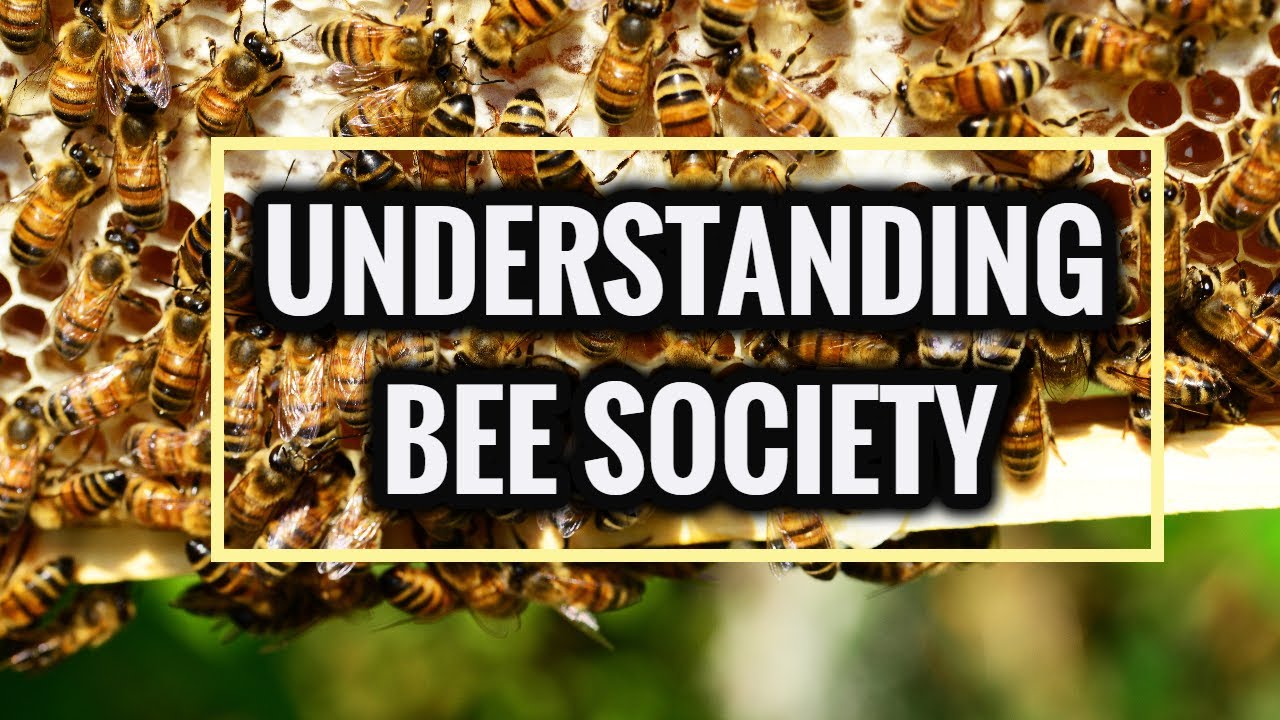
Bees are among the most organized creatures in the animal kingdom. Their intricate hive structure operates under a clear hierarchy, ensuring efficiency, survival, and reproduction. At the center of this order is the queen bee, surrounded by thousands of dedicated workers and drones. This article dives deep into the roles, behaviors, and significance of each caste within a honeybee colony to help you truly understand the hive hierarchy.
What Is a Hive Hierarchy?
A hive hierarchy refers to the organized social structure within a bee colony. This structured society includes three primary castes:
- The queen bee (only one in a hive)
- Worker bees (female, non-reproductive)
- Drone bees (male, reproductive)
Each caste plays a specific role essential to the hive’s functionality. Without this division of labor, the colony would collapse.
Meet the Queen Bee: The Hive Monarch
The queen bee is the only fertile female in the colony.
Her main functions are:
- Laying eggs: She can lay up to 2,000 eggs per day during peak seasons.
- Producing pheromones: These chemical signals help regulate the behavior of other bees.
- Maintaining harmony: Her pheromones suppress the development of other potential queens.
The queen bee’s reign can last from 2 to 5 years, and when she weakens or dies, the colony will raise a new queen.
How Is the Queen Bee Born?
A queen bee is not born by chance. She is raised intentionally through a unique feeding process:
- All bee larvae are fed royal jelly for the first three days.
- To create a queen, a larva is fed royal jelly continuously beyond the third day.
This special diet triggers hormonal changes that develop her reproductive organs, longer body, and lifespan.
Worker Bees: The Hive’s Powerhouse
Worker bees make up the majority of the colony and are all female, though they cannot reproduce.
Their duties evolve based on age:
- 0–10 days: Clean cells and feed larvae.
- 10–20 days: Produce wax, build combs, and store nectar.
- 20–40 days: Guard the hive and forage for food.
Worker bees have stingers and defend the hive, sacrificing their lives if they sting a threat.
Drones: The Male Bees and Their Singular Role
Drones are male bees with one main job: mate with a virgin queen.
Once their task is done:
- They die immediately after mating due to bodily rupture.
- Those who don’t mate are expelled from the hive before winter.
Drones don’t forage or defend the hive, which makes them expendable after mating season.
Royal Jelly: The Magical Substance of the Hive
Royal jelly is a secretion from worker bees’ glands, rich in proteins, vitamins, and enzymes.
It determines:
- Whether a larva becomes a queen or a worker.
- Helps the queen bee develop ovaries, grow larger, and live longer than workers.
This superfood is the only diet of a queen bee throughout her life, unlike workers who shift to pollen and nectar.
Swarming and Replacing the Queen
When a hive becomes overcrowded or the queen ages or weakens, a natural phenomenon occurs:
- Swarming: A portion of bees, including the old queen, leaves to form a new colony.
- Supersedure: The colony raises a new queen by feeding a selected larva royal jelly.
Once hatched, the new queen may kill rival queens in their cells to secure her position.
Pheromones: The Hive’s Communication System
The queen bee releases queen mandibular pheromones that:
- Inhibit worker bees from laying eggs.
- Signal that the hive has a healthy queen.
- Guide the workers’ roles and behaviors.
Other bees also release pheromones for purposes like marking flowers, identifying danger, or helping with orientation.
Hive Defense and Decision-Making
Although there’s a clear hierarchy, bee colonies operate with collective intelligence:
- Worker bees collectively decide when to swarm or find new nesting sites.
- Guard bees protect the entrance, allowing only familiar bees in.
- Scout bees dance to communicate the best locations for food or new hives.
This democracy in action within a monarchy is part of what makes bees so fascinating.
The Lifespan and Legacy of the Queen Bee
A queen bee can live up to 5 years, though most are replaced after 2–3 years due to:
- Decreased fertility
- Weak pheromone signals
- Colony health
Once her time ends, the hive ensures continuity by nurturing a new queen, ensuring that life in the hive never stops.
Conclusion
The hive hierarchy is a perfect example of nature’s ability to create order and cooperation. From the queen bee’s reproductive supremacy to the tireless labor of workers and the sacrificial role of drones, each caste contributes uniquely to the colony’s survival.
Understanding the queen bee and bees in this structure reveals how purpose-driven social roles can create a thriving, self-sustaining system. This not only fascinates scientists and environmentalists but inspires systems of organization in human society as well.
FAQs
1. How does a bee become a queen bee?
A larva becomes a queen bee by being fed royal jelly continuously from birth. This changes her physiology, enabling reproduction.
2. How many queens are in a beehive?
Typically, there is only one queen per hive. If more emerge during swarming or supersedure, rivals fight until one remains.
3. What happens if the queen bee dies suddenly?
The hive will quickly attempt to raise a new queen by selecting young larvae and feeding them royal jelly.
4. Can worker bees lay eggs?
Yes, but only unfertilized eggs, which become drones. This happens rarely, mostly in queenless hives.
5. What makes the queen bee live longer than other bees?
Her exclusive diet of royal jelly and reduced workload (no foraging or hive maintenance) contributes to her extended lifespan.
Also read: Koh Rong Samloem Island: 9 Reasons It’s a Must-Visit Paradise
