

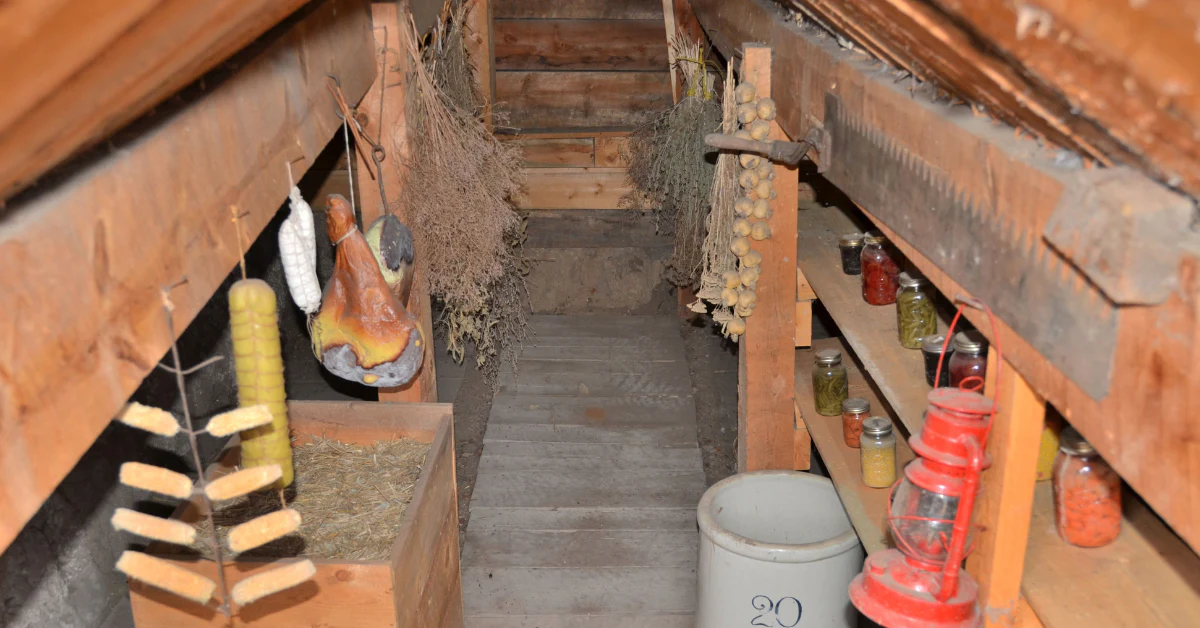
A Root Cellar Fridge is an ingenious way to store food without relying heavily on electricity. As energy costs rise and sustainable living becomes more popular, homeowners and homesteaders are turning to this old-world concept with a modern twist. Whether you’re aiming for self-sufficiency or simply want to reduce your carbon footprint, building a root cellar fridge can be one of the smartest investments in your food security strategy.
In this article, we’ll explore practical root cellar fridge ideas, design considerations, and storage tips to help you create an efficient low-energy cold storage solution.
What Is a Root Cellar Fridge?
A root cellar fridge combines traditional root cellar concepts with modern insulation and design to store vegetables, fruits, canned goods, and beverages at naturally cool temperatures. Unlike standard refrigerators, these systems require little to no electricity.
They maintain optimal humidity and temperature for preserving produce like potatoes, carrots, onions, apples, and squash—all without needing compressors or coils.
Benefits of a Root Cellar Fridge
Choosing a root cellar fridge over a traditional refrigerator offers several compelling advantages:
- Low Energy Use: Most use zero electricity or rely minimally on fans or ventilation.
- Sustainability: Reduce your dependence on the grid.
- Food Preservation: Maintain humidity and temperature ideal for long-term storage.
- Cost-Effective: Lower utility bills and fewer mechanical breakdowns.
- Off-Grid Ready: Ideal for homesteaders and preppers.
Key Elements of a Functional Root Cellar Fridge
To make your root cellar fridge effective, incorporate these critical design elements:
- Cool Temperatures: Aim for 32–50°F (0–10°C).
- Consistent Humidity: Maintain 80–95% to prevent spoilage.
- Ventilation: Proper air exchange prevents mold and mildew.
- Insulation: Earth walls, straw bales, or foam boards help stabilize temperatures.
- Shelving: Use non-treated wood for food safety and airflow.
DIY Root Cellar Fridge Ideas for Every Home
Whether you live in the city or countryside, there’s a root cellar fridge solution for your space.
a. Basement Root Cellar
Transform a corner of your basement using cinder blocks or insulated panels. Add an intake and exhaust pipe to manage airflow. It’s easy to access and great for year-round use.
b. In-Ground Barrel Fridge
Bury a metal or plastic barrel with just the lid exposed. Fill with produce, and you have a stealth, low-cost fridge. Great for rural or off-grid properties.
c. Converted Freezer Root Cellar
Take an old chest freezer, unplug it, bury it partially, and ventilate it. You get the insulation without the electricity costs.
d. Garage or Shed Cold Box
Add extra insulation to an unheated space. Use vented pipes to bring in cool air and exhaust warm air naturally.
e. Underground Crawlspace Cellar
If your home has a crawlspace, insulate and ventilate it properly to use it as a cool storage zone.
How to Control Humidity and Temperature Naturally
Root cellars work best when moisture and temperature levels are controlled naturally. Here’s how:
- Use Gravel Floors: They retain cool moisture.
- Add Water Trays: For dry climates, water pans or damp burlap help raise humidity.
- Open Vents at Night: Let cool air in during the evening.
- Thermometer + Hygrometer: Monitor conditions for best results.
What Can You Store in a Root Cellar Fridge?
The root cellar fridge is perfect for preserving:
- Root Vegetables: Potatoes, carrots, beets, turnips
- Fruits: Apples, pears
- Alliums: Onions, garlic
- Ferments: Sauerkraut, kimchi
- Canned Goods: Jams, pickles, sauces
- Dairy & Eggs: If using slightly cooler setups
Different produce may need separate zones or storage methods. For example, apples emit ethylene gas and should be stored away from potatoes.
Common Mistakes to Avoid
Building a root cellar fridge is simple, but these common errors can reduce effectiveness:
- Poor Ventilation: Causes rot and mildew.
- Inadequate Insulation: Leads to temperature fluctuations.
- Wrong Placement: Avoid placing near heat sources or full sun.
- Improper Shelving: Metal shelves can cause condensation and rust.
Always test your design with a thermometer and adjust before storing large quantities of food.
Insulating and Ventilating Your Root Cellar Fridge
Proper insulation is crucial, especially if building above ground. Use materials like:
- Foam insulation boards
- Straw bales
- Earth berms
- Recycled doors and windows (for cold boxes)
For ventilation:
- Use 2 PVC pipes: one low for intake and one high for exhaust.
- Include screen covers to block rodents and insects.
Seasonal Tips for Maximum Efficiency
Adjust your root cellar fridge setup with the seasons:
- Winter: Prevent freezing by insulating or using a light bulb (if on-grid).
- Summer: Add reflective coverings and deepen vents for cooler airflow.
- Spring/Fall: Rotate produce and check for spoilage more often.
Root Cellar Fridge Ideas for Urban Dwellers
Even in a city, you can benefit from root cellar fridge principles:
- Balcony Cold Boxes: Insulated coolers with vent holes work during winter.
- Indoor Cool Closets: Convert an unused closet with insulation and venting.
- Apartment Basements: Rent a corner or share with neighbors for bulk storage.
Urban homesteaders often combine modern coolers with DIY ventilation for an affordable hybrid solution.
Conclusion
A Root Cellar Fridge is more than just a trend—it’s a return to sustainable, commonsense living. By harnessing the earth’s natural cooling powers, you gain control over your food supply, reduce your carbon footprint, and save money on energy. Whether you’re a rural homesteader or a city-dweller with a small garden, there’s a root cellar fridge idea that can work for you.
Investing time and a little creativity into this timeless solution pays off in fresher food, lower bills, and greater peace of mind.
FAQs
1. What temperature should a root cellar fridge maintain?
Ideal temperatures range between 32°F and 50°F (0°C to 10°C), depending on the type of produce stored.
2. Can I build a root cellar fridge without digging?
Yes. Use basements, insulated above-ground boxes, or converted coolers with good airflow to mimic underground conditions.
3. How do I keep my root cellar fridge from freezing in winter?
Insulate well and use a low-wattage light bulb or cover with additional earth or blankets to prevent freezing.
4. Do root cellar fridges attract pests?
If not sealed or ventilated properly, they can. Use mesh screens, keep it dry, and check regularly to prevent infestations.
5. Can I store meat or dairy in a root cellar fridge?
Only if the temperature remains consistently near refrigeration levels (32–40°F). Otherwise, it’s best for produce and preserves.
Also read: How to Avoid Copyright Infringement: A Complete 2024 Guide for Creators and Businesses
