

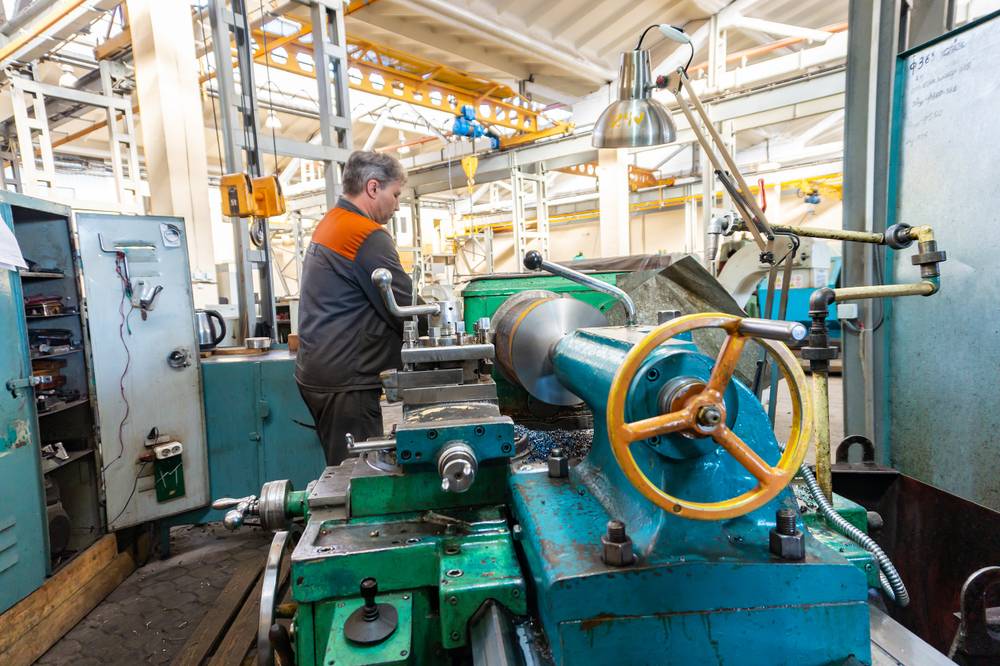
Small scale industries (SSIs) are the backbone of many developing and emerging economies. These businesses, characterized by modest capital investment and limited workforce, play a pivotal role in creating jobs, boosting innovation, and supporting local economies.
As globalization and digital transformation reshape industries, the benefits of small scale industries are more relevant than ever. Whether you’re an aspiring entrepreneur, student, or policymaker, understanding the advantages of SSIs helps reveal their critical contribution to national progress.
What Are Small Scale Industries?
Small scale industries are privately-owned businesses that operate on a small scale with limited employees and capital. They typically:
- Require less than $1 million in investment (varies by country)
- Employ fewer than 50–100 people
- Serve local or niche markets
- Include sectors like manufacturing, food processing, handicrafts, textiles, and repair services
Examples include handmade pottery studios, small garment manufacturing units, food packaging businesses, and local furniture workshops.
Top 10 Benefits of Small Scale Industries
Employment Generation
SSIs are labor-intensive and play a crucial role in solving unemployment issues.
- Provide opportunities to skilled, semi-skilled, and unskilled workers
- Require less training time and investment per employee
- Are ideal for rural and semi-urban areas with limited job options
According to the International Labour Organization, small businesses account for over 70% of total employment in many developing countries.
Low Capital Requirement
Unlike large-scale industries, SSIs need minimal capital investment to get started.
- Accessible to first-time entrepreneurs and small investors
- Reduces dependency on banks or large-scale funding
- Ideal for bootstrapped businesses and self-employed individuals
This makes SSIs a key driver of inclusive entrepreneurship and financial independence.
Encourages Innovation and Flexibility
Due to their small size, SSIs are more agile and adaptable to change.
- Quickly respond to local market demands
- Encourage creativity and unique product designs
- Promote innovation in traditional and cottage industries
Many successful large-scale companies today started as small businesses driven by innovation.
Supports Rural and Regional Development
SSIs help reduce regional imbalances by promoting industrialization in less-developed areas.
- Prevent overconcentration in urban centers
- Reduce rural-to-urban migration
- Boost rural economies and infrastructure
For example, India’s Khadi and Village Industries have revitalized several rural communities through SSIs.
Boosts Export Potential
Many SSIs manufacture specialty goods like textiles, leather items, ceramics, and artisanal crafts—perfect for global markets.
- Contribute significantly to a country’s export earnings
- Improve trade balance and foreign currency reserves
- Strengthen a nation’s global economic footprint
In some countries, SSIs contribute up to 40–50% of export value, especially in handcrafted goods.
Promotes Balanced Economic Growth
By spreading industry across urban and rural areas, SSIs help foster balanced development.
- Encourage equitable income distribution
- Support local resource utilization
- Decrease pressure on metro cities and urban infrastructure
This leads to sustainable, decentralized development—a key goal for modern economies.
Quick Production Cycle
Small scale units often have shorter production timelines, which makes them responsive to market trends.
- Can pivot products or services quickly
- Reduce time to market
- Ideal for custom orders or seasonal goods
This flexibility gives SSIs a competitive edge over larger, bureaucratic enterprises.
Encourages Entrepreneurship and Skill Development
SSIs are a great way to nurture entrepreneurial spirit and promote self-reliance.
- Inspire youth and women entrepreneurs
- Offer real-world business management experience
- Develop skills in manufacturing, marketing, logistics, and finance
Governments often run skill development programs centered around small-scale business promotion.
Utilization of Local Resources
SSIs use indigenous materials and labor, helping to:
- Reduce costs and reliance on imported goods
- Preserve traditional arts and crafts
- Foster sustainable practices with minimal waste
This contributes to both cultural preservation and eco-friendly production.
Contribution to GDP and Industrial Output
Despite their size, SSIs contribute a significant share to national income.
- Represent 30–50% of industrial output in many countries
- Play a key role in the informal economy
- Contribute to tax revenues and economic diversity
SSIs often serve as the feeder system to larger industries by supplying parts and services.
Global Perspective: Small Scale Industries Around the World
| Country | SSI Contribution to GDP/Employment |
| India | 30% of GDP, 45% of exports, 110 million jobs |
| USA | 99.9% of all businesses are small businesses |
| China | 60% of GDP and 80% of jobs from small enterprises |
| Brazil | 70% of jobs come from micro and small enterprises |
Governments worldwide recognize the value of SSIs and offer incentives, grants, and simplified regulations to support them.
Challenges Faced by Small Scale Industries
Despite their benefits, SSIs face challenges such as:
- Limited access to credit and capital
- Poor infrastructure in rural areas
- Difficulty adopting new technology
- Market competition from larger corporations
- Regulatory and tax compliance burdens
However, digital transformation, government support, and public-private partnerships are helping SSIs overcome these barriers.
Government Initiatives Supporting SSIs
To promote SSIs, many governments offer:
- Subsidized loans and microcredit programs
- Skill development and training schemes
- Tax relief and easier registration procedures
- Export assistance and trade fairs
Example: India’s MSME Development Act and the U.S. Small Business Administration (SBA) are tailored to support small-scale businesses with resources and policy backing.
Conclusion
The benefits of small scale industries extend far beyond economic numbers. They empower individuals, create inclusive jobs, preserve culture, promote local economies, and foster innovation.
As economies strive for sustainable growth and post-pandemic recovery, SSIs will continue to play a vital role in job creation, decentralization, and national development. Governments, institutions, and communities must continue to invest in this dynamic sector to unlock its full potential.
Whether you’re launching a handmade soap brand or managing a local machine shop, your small-scale venture is making a big impact.
FAQs
1. What is a small scale industry?
A small scale industry is a business with limited capital investment and manpower, often operating in manufacturing, services, or handicrafts.
2. Why are small scale industries important for the economy?
They generate employment, support regional development, promote exports, and contribute significantly to GDP and industrial output.
3. How do SSIs help in rural development?
SSIs create jobs in rural areas, reduce migration to cities, and utilize local resources, promoting balanced regional growth.
4. What are examples of small scale industries?
Textile weaving, pottery, furniture making, food processing, jewelry designing, and leather crafting are all examples of SSIs.
5. How can governments support small scale industries?
Through financial aid, simplified regulations, training programs, infrastructure support, and export assistance initiatives.
Also read: Top ADP Alternatives in 2024: Best Payroll & HR Software Solutions for Your Business
