

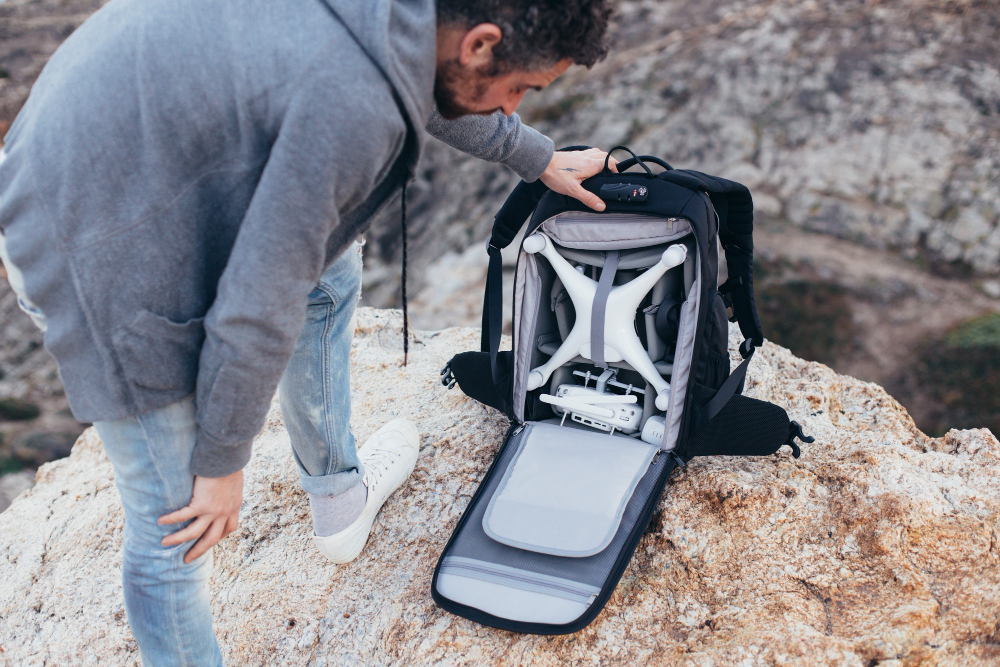
A large rucksack is the cornerstone of any extended adventure—whether you’re thru‑hiking a national trail, setting off on a year‑long backpacking trip, or hauling gear for a demanding alpine expedition. Pick the right pack and you’ll barely notice the weight on your back; choose poorly and every mile can feel like three.
To help you invest wisely, here are 10 essential features to look for when comparing large rucksacks, plus practical tips for fitting, packing, and long‑term care.
1. Capacity That Matches Your Objective
Large rucksacks generally start around 55 liters and can climb well past 85 liters. Bigger isn’t always better:
\*\*55 – 65 L \*\* → ideal for week‑long treks with modern, compressible gear.
\*\*65 – 75 L \*\* → sweet spot for multi‑week backpacking and cold‑weather trips requiring bulkier layers.
\*\*75 L + \*\* → suited to mountaineers carrying ropes, technical hardware, or group cooking kits.
Look for brands that state volume in liters rather than “cu in.” and list usable capacity—some budget models inflate numbers by counting every pocket. Finally, consider expandable collars or removable lids that let you tweak capacity on the fly.
2. An Adjustable, Ergonomic Harness System
Comfort starts with fit, and fit starts with a harness that matches your torso length and shoulder breadth. Premium large rucksacks offer:
Adjustable yokes—the shoulder‑strap “plate” slides up or down the frame to fine‑tune torso length.
Interchangeable hip belts in multiple sizes for a custom wrap around the iliac crest.
Contoured, dual‑density foam to prevent pressure points on the shoulders and lumbar region.
Pivoting hip‑belt pivots (sometimes branded as “free‑float” or “autofit”) that let the pack move with your hips on uneven terrain.
Take the time to load the pack with 15‑20 kg in‑store, then walk, squat, and twist—hot spots that appear after five minutes in the shop will become blisters after five hours on the trail.
3. A Supportive Internal or Hybrid Frame
Modern large rucksacks rely on internal frames—aluminum stays, composite sheets, or carbon fiber stays—because they hug the back, stabilize the load, and keep weight closer to your center of gravity.
Key factors:
Stiffness vs. Flexibility: Look for stays you can bend slightly to match the curvature of your spine; too rigid and you’ll feel like you’re wearing a plank, too floppy and the bag will sag.
Load Rating: Serious packs advertise a maximum comfortable load (often 18–27 kg). If you plan to carry climbing gear or a bear canister, stay on the upper end.
Removable Framesheets allow you to shave weight on ultralight objectives or use the sheet as a sleeping‑pad stiffener.
A handful of large rucksacks still feature external or hybrid frames prized by hunters and expedition porters for hauling awkward loads, but these are niche tools rather than general‑purpose choices.
4. Ventilated Back Panel for Temperature Control
Nothing saps energy faster than a sweat‑soaked back. Look for:
Suspended mesh “trampoline” designs that hold the pack several centimeters off your spine, allowing air to circulate.
Die‑cut foam channels if you prefer a closer‑to‑body fit for technical maneuvers.
Moisture‑wicking linings treated with antimicrobial finishes to reduce odor over multiweek trips.
Remember that the more airflow you gain, the further the load sits from your center line—so alpine climbers often trade ventilation for stability, whereas warm‑weather trekkers do the opposite.
5. Intuitive Organization and Access Points
A cavernous single‑compartment bag can turn into a black hole. Essential organizational features include:
Bottom “sleeping‑bag” zipper for retrieving bedding without unpacking everything.
Full‑length J‑ or U‑shaped zips that peel the main body open like a suitcase—handy for hostel travel.
Removable lid pockets (a.k.a. “brains”) that double as sling packs for summit pushes.
Hip‑belt pockets sized for a phone and snacks.
Oversized stretch mesh front “shove‑it” pouches for wet rain gear.
Resist the temptation to buy a pack plastered with dozens of micro‑pockets; they add weight and can make it harder to remember where you stashed that headlamp.
6. Reliable, Weather‑Ready Materials
A large rucksack is only as tough as its fabric and hardware. Seek out:
High‑denier (210D–420D) ripstop nylon or recycled polyester for body panels.
Double‑or triple‑stitched seams in high‑stress zones such as strap anchors.
PU or TPU coatings plus a DWR finish for light rain resistance.
8 or 10 YKK or Riri zippers with glove‑friendly pulls.
Even the burliest fabric will eventually wet out in a monsoon, so check whether a built‑in rain cover (or at least an integrated pocket to stash one) is supplied.
7. Compression and Load‑Lifter Straps
Large packs invite over‑packing. Strategically placed compression straps cinch unused space so the load rides snugly. Key elements:
Dual side straps—one high, one low—to stabilize water bottles or tent poles.
Front or bottom straps for securing a foam pad, snowshoes, or bear can.
Load‑lifter straps at the shoulder‑strap tops (angled 30‑45°) that pull weight off your lumbar and onto the hips.
Quick‑release buckles you can operate with gloved hands.
Well‑designed compression also protects your gear: a tightly cinched pack prevents fragile items like stove fuel canisters from rattling against each other on rocky descents.
8. Hydration Integration
Staying hydrated is easier when your reservoir hose is a bite away. In‑built hydration features include:
Internal sleeve positioned close to your back for balance.
Hose port and tube routing loops on both shoulder straps (lefties rejoice).
Drain grommets at the bottom of the sleeve in case of leaks.
Dual side stretch pockets for those who prefer traditional bottles or carry extra liters on parched routes.
Some expedition‑size rucksacks omit hydration sleeves to save weight, so verify this spec if you rely on a reservoir.
9. External Attachment Points for Technical Gear
Backcountry travel often demands equipment that won’t fit inside the bag:
Ice‑tool loops and shaft retainers—often removable to convert from winter to summer mode.
Daisy chains for carabiner clipping.
Trekking‑pole bungees to stow poles during scrambles.
Ski or snowshoe carry straps (A‑frame or diagonal).
Helmet cradles integrated into the lid.
If you’re not a mountaineer, these extras might seem superfluous, but even casual hikers appreciate a way to lash damp tent flys or beach sandals externally.
10. Weight‑to‑Durability Balance
A lightweight large rucksack allows you to devote more of your weight budget to food and comfort items—yet go too light and you risk torn fabric or a collapsed suspension. Rule of thumb:
Sub‑2 kg (4.4 lb) → ultralight designs using Dyneema® or UHMWPE; best for loads under 15 kg.
2‑3 kg (4.4–6.6 lb) → balanced trekking packs; durable enough for 20–25 kg.
\*\*3 kg + (6.6 lb +) \*\*→ expedition workhorses able to haul 30 kg+ day after day.
Always match the pack’s recommended load rating to your heaviest expected carry—an over‑burdened ultralight pack is far less comfortable than a mid‑weight designed for the job.
Conclusion
A large rucksack isn’t just a big backpack—it’s a mobile home on your shoulders, responsible for safeguarding everything you need to thrive far from paved roads. When you evaluate packs, focus on the 10 essential features above:
1. Capacity tailored to your trip length
2. An adjustable, ergonomic harness
3. A supportive internal or hybrid frame
4. Effective back‑panel ventilation
5. Logical organization and access
6. Durable, weather‑resistant materials
7. Compression and load‑lifter systems
8. Hydration compatibility
9. Technical gear attachment points
10. A prudent weight‑to‑durability ratio
Try on several models fully loaded, adjust every strap, and don’t hesitate to lap the store. A great fit today will pay dividends on every mile of tomorrow’s journey.
FAQs About Choosing a Large Rucksack
1. How heavy should a loaded large rucksack be?
Most hikers aim for no more than 20–25 % of body weight for comfort. For long expeditions, that threshold may rise to 30 %, but only if your core and leg strength are well‑trained.
2. Internal vs. external frame—what’s better?
Internal frames dominate because they’re streamlined and stable on uneven terrain. External frames excel at hauling very heavy or irregular loads but can snag branches and feel unwieldy in dense brush.
3. Can I use a men’s rucksack if I’m a woman (or vice versa)?
Absolutely—fit matters more than marketing labels. Women’s models usually offer shorter torso ranges, narrower shoulder spacing, and shaped hip belts. Choose whichever harness contours suit your anatomy best.
4. Do I need a rain cover if the fabric is water‑resistant?
Yes. Water‑resistant coatings delay saturation but will eventually wet out. A dedicated rain cover (or a trash‑compactor liner inside the pack) provides a second barrier against prolonged downpours.
5. How long should a quality large rucksack last?
With sensible loads and periodic cleaning, a mid‑to‑high‑end pack can easily surpass 10 years of regular use. Replace worn hip‑belt foam or busted buckles early to extend lifespan.
