

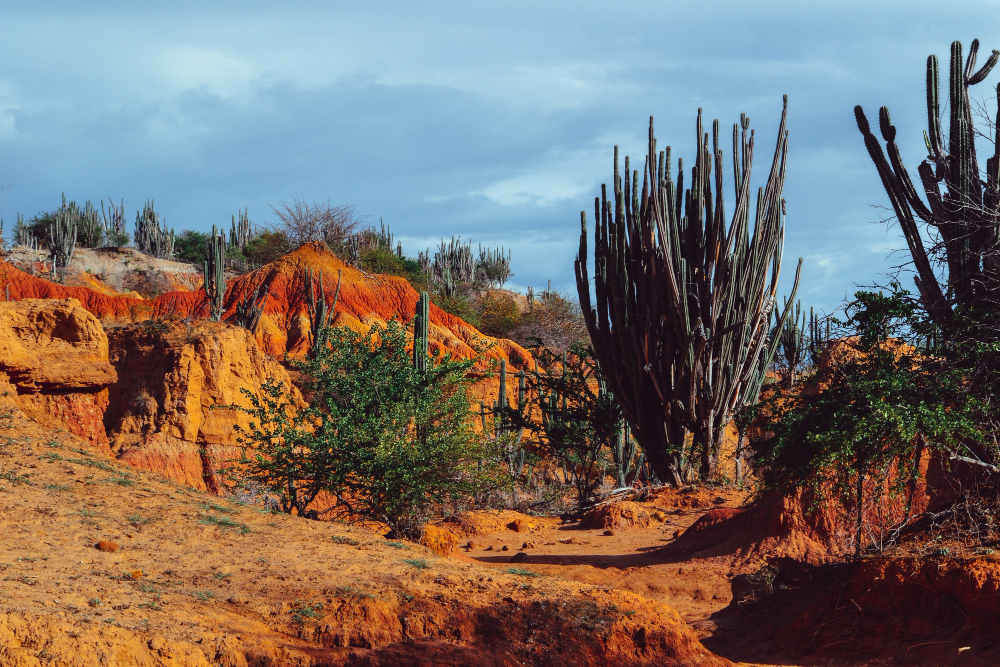
Bolivia is one of South America’s most underrated gems—a country that offers striking contrasts, wild landscapes, and ancient cultures. Tucked between the Andes Mountains, Amazon rainforest, and high-altitude plains, Bolivia is a haven for adventurers and nature lovers.
If you’re wondering what to do in Bolivia, the answer is simple: explore its breathtaking natural wonders. From the dazzling white expanse of the salt flats to lush jungles and multi-colored lakes, Bolivia is a paradise of geological marvels and untouched beauty.
In this guide, we highlight 9 natural wonders you absolutely need to see in Bolivia, along with practical tips and inspiration to make the most of your journey.
1. Salar de Uyuni – The World’s Largest Salt Flat
No trip to Bolivia is complete without visiting the legendary Salar de Uyuni, the largest salt flat on Earth. Spanning over 10,000 square kilometers, this surreal landscape is a dazzling white desert made of hexagonal salt patterns.
In the rainy season (December to April), the salt flats transform into a gigantic mirror that reflects the sky—a phenomenon that draws photographers from all over the world.
Don’t miss:
Sunset reflections
Perspective photography
Incahuasi Island with giant cacti
Best time to visit: Dry season (May–October) for clear driving, wet season for reflections.
2. Laguna Colorada – The Red Lagoon of the Altiplano
Located within the Eduardo Avaroa Andean Fauna National Reserve in southwest Bolivia, Laguna Colorada is a high-altitude saline lake famous for its blood-red waters, caused by algae and plankton that thrive in the salty environment.
Hundreds of pink flamingos flock here, creating a magical scene against the contrasting white borax islands and dark mountains in the background.
Why it’s special:
Vivid red color
Flamingo sightings
Unworldly scenery
Altitude: Over 4,000 meters, so allow time to acclimate before visiting.
3. Lake Titicaca – The Highest Navigable Lake in the World
Shared between Bolivia and Peru, Lake Titicaca is the world’s highest navigable lake at over 3,800 meters. The Bolivian side is less touristy and just as stunning, especially around Copacabana and Isla del Sol (Island of the Sun).
Legend has it that the first Inca king was born here. You can explore ancient ruins, hike scenic trails, or simply enjoy the peaceful atmosphere.
Top activities:
Boat trip to Isla del Sol
Hiking and exploring ruins
Local trout meals by the water
Tip: Spend at least one night on Isla del Sol for sunrise views.
4. Madidi National Park – Bolivia’s Biodiversity Hotspot
For nature lovers, Madidi National Park in northern Bolivia is a dream come true. Part of the Amazon Basin, this park is one of the most biodiverse places on the planet, home to jaguars, monkeys, birds, reptiles, and over 10,000 plant species.
Trekking into the jungle from Rurrenabaque, visitors can enjoy eco-lodges, guided walks, and wildlife spotting in a pristine rainforest setting.
Why visit:
Untouched Amazon jungle
Birdwatching and river tours
Authentic eco-tourism experiences
Getting there: Fly from La Paz to Rurrenabaque and take a boat into the park.
5. Valle de la Luna – The Lunar Landscape Near La Paz
Just outside La Paz, the Valle de la Luna (Moon Valley) is a landscape of strange rock formations and jagged clay spires that look like something from another planet.
You can walk a series of short trails that wind through this natural maze. The afternoon light casts dramatic shadows, making it a fantastic spot for photography.
Quick facts:
Easy half-day trip from La Paz
Formed by erosion and wind
Named by astronaut Neil Armstrong
Tip: Wear a hat and sunscreen—there’s little shade here.
6. Sajama National Park – Bolivia’s Oldest and Quietest Park
Far off the tourist trail, Sajama National Park lies in western Bolivia near the Chilean border. It’s home to Nevado Sajama, Bolivia’s highest peak at 6,542 meters.
This stark yet beautiful landscape features volcanoes, thermal springs, and ancient Polylepis forests (the world’s highest-growing trees). You’ll also find alpacas and llamas roaming the plains.
Must-dos:
Dip in natural hot springs
Hike toward Sajama base camp
Stargaze in one of Bolivia’s clearest skies
Best for: Adventurers seeking solitude and raw nature.
7. Torotoro National Park – Caves and Dinosaur Footprints
Located in central Bolivia near Cochabamba, Torotoro National Park is a geologist’s dream. It features deep canyons, limestone caves, and fossilized dinosaur footprints—many over 65 million years old.
You can hike through Toro Toro Canyon, explore the massive Umajalanta Cave, and marvel at ancient cave paintings and underground rivers.
What makes it unique:
Walk with real dinosaur tracks
Hidden waterfalls and canyons
One of Bolivia’s best-kept secrets
Travel tip: The park requires a local guide, usually hired at the entrance.
8. Amboró National Park – The Meeting Point of Ecosystems
Amboró National Park, located near Santa Cruz, is a biologically rich area where the Amazon, Andes, and Chaco ecosystems collide. With over 800 species of birds and diverse plant life, it’s a lesser-known paradise for ecotourism.
Trek through cloud forests, camp by rivers, or go birdwatching for toucans, macaws, and hummingbirds.
Reasons to visit:
Low crowds
Jaw-dropping biodiversity
Waterfalls and hiking trails
Ideal for: Nature lovers who want an off-the-beaten-path rainforest experience.
9. Eduardo Avaroa National Reserve – High Desert Adventure
This remote Andean high desert reserve is Bolivia’s ultimate adventure destination. Located in the southwest, it’s often combined with a tour of Salar de Uyuni.
Beyond Laguna Colorada, the reserve is home to surreal landscapes like Laguna Verde, Sol de Mañana geysers, and Desierto de Dalí, a landscape reminiscent of a Salvador Dalí painting.
Don’t miss:
Flamingo-filled lakes
Steamy geothermal vents
Bizarre rock formations
Best way to visit: 3-day jeep tours from Uyuni or Tupiza.
10. Conclusion: Discover Bolivia’s Wild Side
If you’re looking for unspoiled nature, diverse ecosystems, and landscapes that defy imagination, Bolivia is the place to be. These 9 natural wonders offer a thrilling introduction to a country often overlooked on the South American travel circuit.
From the mirrored salt flats of Uyuni to the red lagoon of the Andes and the jungles of Madidi, Bolivia’s raw beauty will leave you breathless—sometimes literally, due to the altitude!
So if you’re asking yourself what to do in Bolivia, let the answer be: immerse yourself in its natural wonders. This is a country that will challenge, surprise, and inspire you every step of the way.
FAQs
1. Is Bolivia safe for tourists?
Yes, Bolivia is generally safe for travelers, especially in tourist-friendly regions like Uyuni, La Paz, and Lake Titicaca. However, take common-sense precautions like avoiding isolated areas at night, using licensed tour operators, and keeping valuables secure.
2. What is the best time to visit Bolivia’s natural attractions?
The dry season, from May to October, is the best time to explore Bolivia’s outdoors. Roads are more accessible, and skies are clearer for photography and trekking. If you want to see the mirror effect at Salar de Uyuni, go during the rainy season (December to April).
3. Do I need to worry about altitude sickness in Bolivia?
Yes. Many of Bolivia’s highlights are at high elevations (over 3,000 meters), including La Paz, Uyuni, and Lake Titicaca. To prevent altitude sickness, acclimate slowly, stay hydrated, avoid alcohol early on, and consider altitude tablets if needed.
4. How can I get to these natural wonders?
Many sites like Uyuni and Eduardo Avaroa require guided jeep tours. Others, like Lake Titicaca and Madidi, are accessible via buses and domestic flights. Bolivia has an affordable public transport system but travel times can be long.
5. Is Bolivia expensive to travel around?
Bolivia is one of the most budget-friendly countries in South America. Accommodation, food, and transportation are very affordable. Multi-day tours like the Uyuni salt flats range from \$100–\$250, depending on the comfort level.
